

Introduction
Stress is a natural part of life, but when it becomes frequent or long-lasting, it can affect both your physical and mental health. Work responsibilities, financial concerns, family commitments, health issues, and everyday challenges can all contribute to stress. While occasional stress is a normal response to difficult situations, chronic stress may increase the risk of anxiety, depression, high blood pressure, heart disease, digestive problems, and sleep disorders. Supporting your overall health with , following, and eating how to reduce stress stress naturally, can help your body become more resilient to everyday stress while promoting long-term physical and mental well-being.
The good news is that you don’t always need medication to manage everyday stress. Healthy lifestyle habits, relaxation techniques, regular physical activity, and a balanced diet can help your body and mind respond more effectively to stressful situations. Natural stress management focuses on creating long-term habits that support emotional balance, improve resilience, and promote overall well-being.
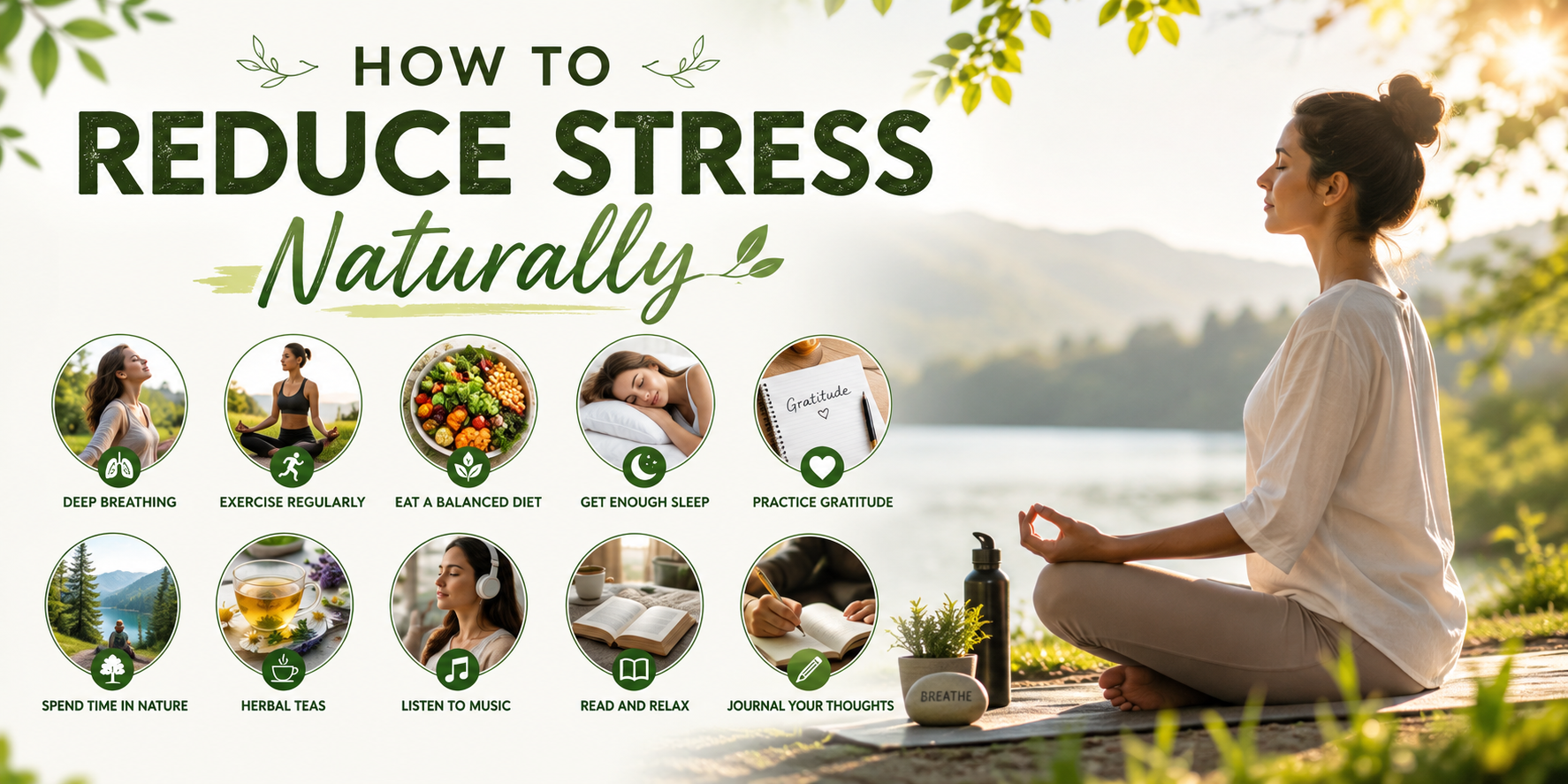
Simple practices such as deep breathing, mindfulness meditation, regular exercise, spending time outdoors, getting enough sleep, and eating nutritious foods can significantly reduce stress levels. These habits help lower the production of stress hormones like cortisol while encouraging the release of endorphins, often called the body’s natural “feel-good” chemicals. Over time, these healthy routines can improve your mood, increase your energy, and help you handle life’s challenges with greater confidence.
Nutrition also plays an important role in stress management. Foods rich in magnesium, omega-3 fatty acids, B vitamins, antioxidants, and protein support healthy brain function and help regulate mood. Drinking enough water, limiting caffeine and added sugar, and maintaining regular meal times can further contribute to emotional stability and sustained energy throughout the day.
It is equally important to care for your mental and emotional health. Taking regular breaks from work, setting realistic goals, practicing gratitude, maintaining meaningful relationships, and limiting screen time can help reduce mental fatigue and improve focus. Even spending just 15 to 30 minutes each day doing something you enjoy—such as reading, gardening, listening to music, or walking in nature—can make a noticeable difference in your stress levels.
Managing stress naturally is not about eliminating all of life’s challenges. Instead, it is about developing healthy coping strategies that allow you to respond to difficulties in a calm and balanced way. Small, consistent lifestyle changes often provide greater long-term benefits than temporary solutions or quick fixes.
In this comprehensive guide, you’ll learn practical, science-backed strategies to reduce stress naturally, including relaxation techniques, healthy eating habits, exercise, sleep improvement, mindfulness practices, and daily self-care routines. By incorporating these simple habits into your everyday life, you can improve your mental well-being, support your physical health, and enjoy a calmer, healthier, and more balanced lifestyle.
READ MORE: Natural Immune Boosting Foods: A Complete Guide to Strengthening Your Immune System Naturally.
 molyatkinsan