

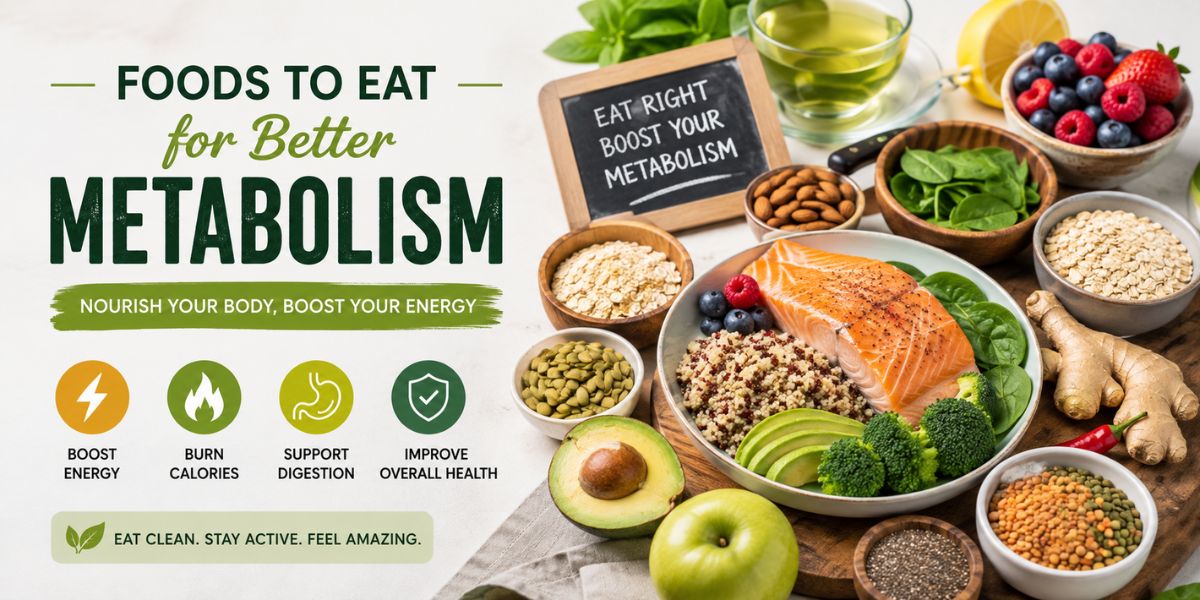
Your metabolism is the process your body uses to convert food into energy and support essential functions such as breathing, circulation, digestion, and maintaining body temperature. While factors such as age, genetics, muscle mass, sleep, and activity levels influence metabolic rate, a balanced diet can help support healthy metabolism.
The good news is that you do not need special supplements or complicated diets. Choosing nutritious, protein-rich, fiber-filled, and minimally processed foods can provide your body with the nutrients it needs to function efficiently.
1. Eggs
Eggs are an excellent source of high-quality protein and contain important nutrients such as vitamin B12, selenium, and choline. Protein requires more energy to digest than carbohydrates or fat, which can slightly increase the calories your body uses during digestion.
Enjoy boiled, scrambled, or poached eggs with vegetables for a balanced breakfast.
2. Greek Yogurt
Greek yogurt is rich in protein and provides calcium, which supports overall nutritional health. A protein-rich snack can also help you feel full between meals.
Choose plain Greek yogurt and add berries, nuts, or seeds for extra fiber and healthy fats.
3. Lean Chicken
Chicken breast and other lean poultry provide plenty of protein without excessive amounts of saturated fat. Protein helps maintain muscle mass, and having adequate muscle is important because muscle tissue uses energy even when you are resting.
Try grilled or baked chicken with vegetables and whole grains.
4. Fatty Fish
Salmon, sardines, tuna, and other fish provide protein and healthy omega-3 fats. Fish can be part of a balanced eating pattern that supports heart and metabolic health.
Aim to include fish regularly as part of a varied diet.
5. Beans and Lentils
Beans, chickpeas, peas, and lentils are excellent sources of plant-based protein and dietary fiber. Their combination of protein and fiber can help promote fullness and support healthy blood sugar management.
Add lentils to soups, use chickpeas in salads, or include beans in healthy meals.
6. Oats
Oats contain complex carbohydrates and soluble fiber, including beta-glucan. Fiber helps support digestion and can help you stay satisfied after eating.
Start your morning with oatmeal topped with fruit, nuts, or seeds instead of sugary breakfast cereals.
7. Chili Peppers
Chili peppers contain capsaicin, a natural compound that may have a small temporary effect on energy expenditure and heat production.
You can add fresh chili peppers or a moderate amount of chili powder to soups, vegetables, eggs, and other meals.
However, spicy foods are not a magic solution for boosting metabolism. Their effect is relatively small.
8. Green Tea
Green tea contains caffeine and naturally occurring compounds called catechins. Research suggests that these compounds may have a modest effect on energy expenditure and fat oxidation.
Enjoy unsweetened green tea as a lower-calorie alternative to sugary beverages.
9. Coffee
Coffee contains caffeine, which can temporarily increase alertness and energy expenditure in some people. However, adding large amounts of sugar, cream, or flavored syrups can significantly increase calories.
For a healthier option, enjoy coffee with little or no added sugar.
10. Nuts and Seeds
Almonds, walnuts, pumpkin seeds, chia seeds, and flaxseeds provide protein, fiber, healthy fats, and important minerals.
Because nuts and seeds are calorie-dense, portion size matters. A small handful can make a nutritious snack or topping for yogurt and oatmeal.
11. Leafy Green Vegetables
Spinach, kale, lettuce, and other leafy greens are packed with vitamins, minerals, fiber, and water while generally being low in calories.
Adding vegetables to meals can increase overall nutrient intake without adding excessive calories.
12. Berries
Strawberries, blueberries, raspberries, and blackberries provide fiber and naturally occurring plant compounds. They can satisfy a sweet craving while adding nutrients to your diet.
Add berries to oatmeal, plain yogurt, or smoothies.
13. Whole Grains
Brown rice, quinoa, whole-wheat bread, barley, and other whole grains provide carbohydrates along with fiber and other nutrients.
Replacing refined grains with whole-grain choices can help create a more balanced diet and support digestive health.
14. Avocado
Avocados provide healthy unsaturated fats, fiber, potassium, and other nutrients. Their combination of fat and fiber can help make meals more satisfying.
Try adding avocado to whole-grain toast, salads, or sandwiches.
15. Apples
Apples are an easy source of fiber and water. Eating whole fruit rather than drinking fruit juice provides more fiber and generally makes the food more filling.
Pair an apple with a small portion of nuts or nut butter for a balanced snack.
16. Ginger
Ginger is a flavorful ingredient that has traditionally been used to support digestion. Some research has also investigated its potential effects on metabolism and appetite.
Add fresh ginger to tea, soups, stir-fries, or smoothies for extra flavor.
17. Water
Water is not technically a food, but staying hydrated is essential for normal body functions. Drinking enough water supports digestion, circulation, temperature regulation, and many other processes.
Make water your primary beverage and drink regularly throughout the day.
Simple Meal Ideas for Supporting Metabolism
You can combine these foods into simple, nutritious meals:
- Breakfast: Eggs, whole-grain toast, and berries
- Morning snack: Greek yogurt with chia seeds
- Lunch: Grilled chicken, brown rice, and leafy greens
- Afternoon snack: Apple with a small handful of almonds
- Dinner: Baked salmon, vegetables, and quinoa
- Vegetarian option: Lentil soup with a side salad and whole-grain bread
Foods to Limit for Better Metabolic Health
Eating foods that support metabolism is only part of the picture. It can also help to limit foods that are high in added sugars, refined carbohydrates, and highly processed fats.
Consider reducing your intake of:
- Sugary soft drinks
- Excessive sweets and desserts
- Highly processed snack foods
- Frequent deep-fried foods
- Refined grains
- Large amounts of added sugar
- Excessive alcohol
You do not have to completely eliminate these foods. The overall quality and balance of your diet matter more than one individual food.
Other Natural Ways to Support a Healthy Metabolism
Food is important, but metabolism is influenced by your overall lifestyle. Along with a nutritious diet, consider:
Get Enough Protein
Include a source of protein at each main meal. Eggs, fish, poultry, dairy products, beans, lentils, tofu, and nuts can all contribute to protein intake.
Build and Maintain Muscle
Strength training can help maintain or increase muscle mass. Regular physical activity also supports overall metabolic and cardiovascular health.
Get Quality Sleep
Poor sleep can affect appetite, energy levels, and other processes related to metabolic health. Aim for a consistent sleep schedule and adequate sleep.
Stay Physically Active
Walking, cycling, household activities, and structured exercise all contribute to daily energy expenditure. Regular movement is useful even if you do not participate in intense workouts.
Eat a Balanced Diet
Instead of relying on one “metabolism-boosting” food, focus on a variety of vegetables, fruits, whole grains, protein sources, and healthy fats.
Final Thoughts
The best foods for supporting metabolism naturally are not exotic or expensive. Eggs, Greek yogurt, lean poultry, fish, beans, lentils, oats, vegetables, fruits, whole grains, nuts, seeds, and healthy beverages can all fit into a balanced eating pattern.
Remember that no single food can dramatically speed up your metabolism. A healthy metabolism is supported by a combination of nutritious eating, adequate protein, regular movement, muscle maintenance, good sleep, and overall healthy lifestyle habits.
If you have unexplained weight changes, persistent fatigue, or concerns about your metabolism, speak with a qualified healthcare professional rather than relying on “metabolism-boosting” foods or supplements alone.
READ MORE: Natural Remedies for Bloating and Gas: Simple Ways to Feel Better.