

Healthy Meal Planning for Beginners is one of the most effective ways to improve your eating habits without relying on restrictive diets or expensive meal programs. Instead of deciding what to eat at the last minute, meal planning allows you to prepare balanced meals in advance, making it easier to choose nutritious foods throughout the week. Whether you are trying to eat healthier, lose weight, save money, or simply reduce the stress of daily cooking, learning the basics of healthy meal planning for beginners is an excellent place to start.
For beginners, meal planning may seem like a difficult task. Many people believe they need to cook elaborate recipes or spend hours in the kitchen every weekend. In reality, successful meal planning is about keeping things simple and creating a routine that fits your lifestyle. Even planning just a few meals each week can make a significant difference in your overall health and daily schedule.
A healthy meal plan focuses on including a variety of nutrient-rich foods from all major food groups. This means choosing lean proteins, whole grains, fresh fruits, vegetables, healthy fats, and plenty of water while limiting highly processed foods, excessive sugar, and unhealthy fats. Eating a balanced diet provides your body with essential vitamins, minerals, fiber, and protein that support energy production, immune function, muscle repair, digestion, and overall well-being.
One of the greatest benefits of healthy meal planning is consistency. When healthy meals are already planned and ingredients are available, you are less likely to rely on fast food, takeout, or processed convenience meals. This not only improves your nutritional intake but also helps control portion sizes and reduce unnecessary snacking throughout the day.
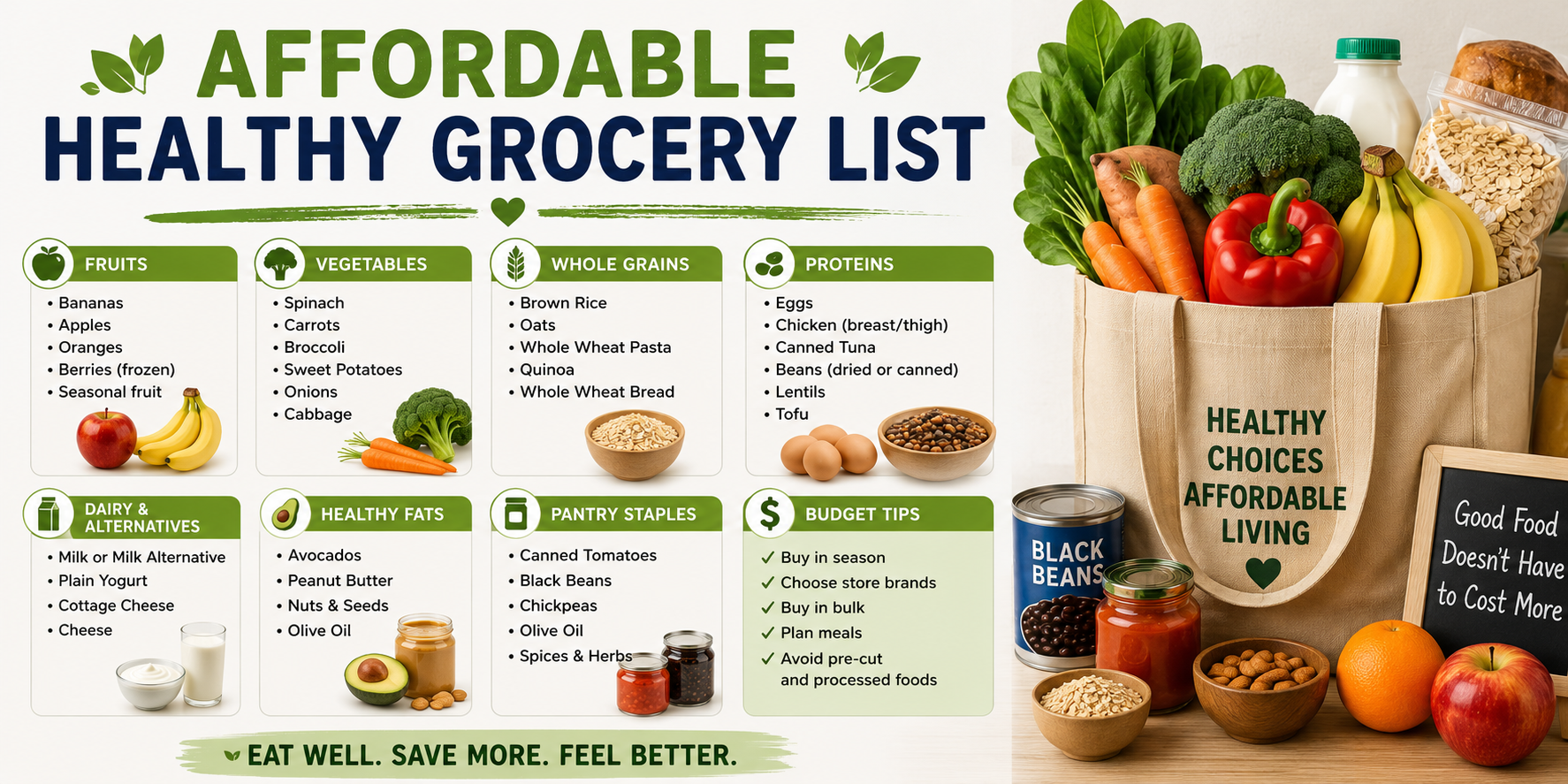
Meal planning can also save both time and money. By creating a grocery list before shopping, you buy only the ingredients you need, reducing impulse purchases and minimizing food waste. Preparing meals in batches allows you to cook once and enjoy multiple meals during the week, making busy weekdays much easier to manage. Many families find that meal planning reduces grocery expenses while helping them eat healthier at home.
Another important advantage is better portion control. Planning meals ahead of time makes it easier to serve appropriate portions instead of overeating. Balanced meals that contain protein, fiber, and healthy fats help you stay full longer, reducing cravings between meals and supporting healthy weight management without feeling deprived.
Healthy meal planning is also flexible. It does not require expensive ingredients or complicated recipes. You can build your meals around affordable staples such as brown rice, oats, beans, eggs, chicken, fish, yogurt, seasonal vegetables, and fresh fruits. Using ingredients that are available locally and in season often improves both nutrition and affordability.
Beginners should start with realistic goals rather than trying to completely change their diet overnight. Planning meals for three or four days at a time is often easier than preparing an entire week’s menu. As your confidence grows, you can gradually expand your meal plan and experiment with new recipes and healthy ingredients.
Keeping your kitchen organized is another important part of successful meal planning. Stocking healthy pantry staples, frozen vegetables, whole grains, canned beans, herbs, and spices makes it easier to prepare nutritious meals even on busy days. Proper food storage also helps maintain freshness and reduces waste.
Finally, remember that healthy eating is about progress rather than perfection. There will be days when your plans change or you choose a less healthy meal, and that’s perfectly normal. The goal is to create sustainable habits that you can maintain over time. Small, consistent improvements in your meal planning routine can lead to better nutrition, increased energy, improved health, and greater confidence in the kitchen.
By developing a simple meal planning system that works for your schedule, you can enjoy nutritious homemade meals more often while spending less time worrying about what to eat. Healthy meal planning is not just a weekly task—it is a practical lifestyle habit that supports long-term health, saves money, and makes everyday eating easier and more enjoyable.
READ MORE: Healthy Meal Planning for Beginners: A Natural Guide to Eating Well Every Day.
 molyatkinsan