

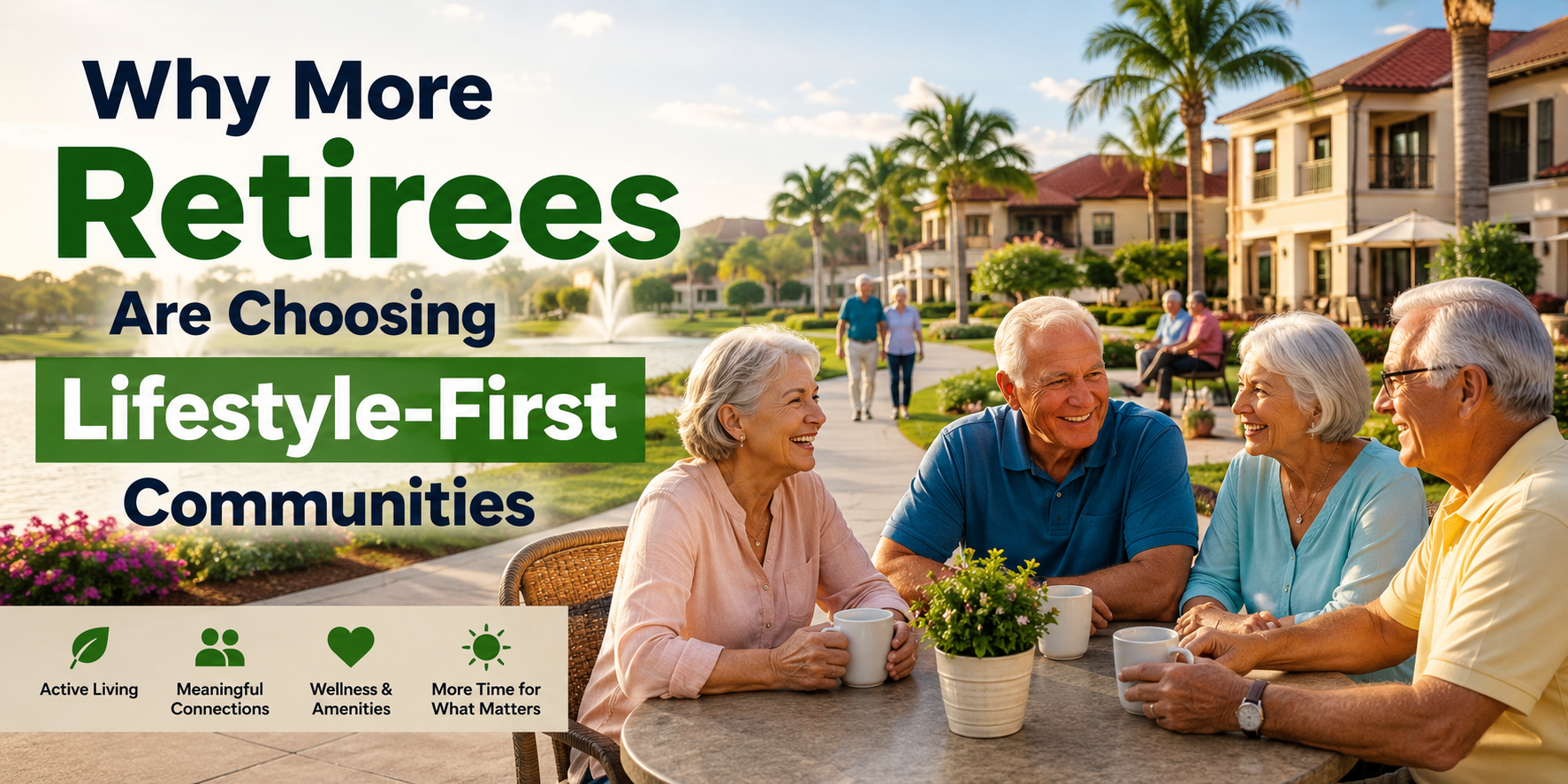
Retirement today looks very different from what it did a generation ago. Rather than viewing retirement as a time to slow down, many older adults see it as an opportunity to explore new interests, maintain an active lifestyle, build meaningful friendships, and enjoy greater freedom. As a result, an increasing number of retirees are choosing lifestyle-first communities—residential communities designed to promote independence, wellness, social engagement, and personal fulfillment instead of focusing solely on healthcare needs.
Lifestyle-first communities combine comfortable housing with amenities and services that encourage residents to live life to the fullest. From fitness centers, walking trails, swimming pools, and wellness programs to hobby clubs, educational classes, group outings, and fine dining, these communities create an environment where older adults can remain physically active, mentally stimulated, and socially connected. Many also offer maintenance-free living, allowing residents to spend less time worrying about home repairs and more time enjoying their retirement.
One of the biggest reasons for the growing popularity of these communities is the emphasis on healthy aging. Research consistently shows that staying physically active, maintaining strong social relationships, and participating in meaningful daily activities contribute to better mental and physical health as people age. Lifestyle-first communities make these opportunities easily accessible by offering organized activities, recreational facilities, and supportive environments where residents can pursue their interests while forming lasting friendships.
Another key advantage is the balance between independence and convenience. Residents maintain their privacy and freedom while benefiting from services such as housekeeping, landscaping, security, transportation, and optional healthcare support. Many communities also provide access to continuing care options, giving retirees peace of mind that additional assistance will be available if their needs change in the future.
Modern retirement communities are also becoming more diverse, offering living options that suit different lifestyles, budgets, and personal preferences. Whether someone is looking for an active adult community, an independent living residence, a continuing care retirement community (CCRC), or a resort-style neighborhood with premium amenities, there are more choices than ever before. This flexibility allows retirees to select a community that matches their goals, interests, and long-term plans.
Beyond the practical benefits, lifestyle-first communities foster a strong sense of belonging. Shared experiences, community events, volunteer opportunities, and recreational programs help reduce loneliness and encourage meaningful social connections—factors that play an important role in overall happiness and emotional well-being during retirement.
This guide explores why more retirees are embracing lifestyle-first communities, the benefits they offer, how they differ from traditional retirement living, and what to consider when choosing the right community. Whether you’re planning your own retirement or helping a loved one explore senior living options, understanding this modern approach can help you make a confident decision that supports a healthier, more active, and more fulfilling future.
 molyatkinsan