

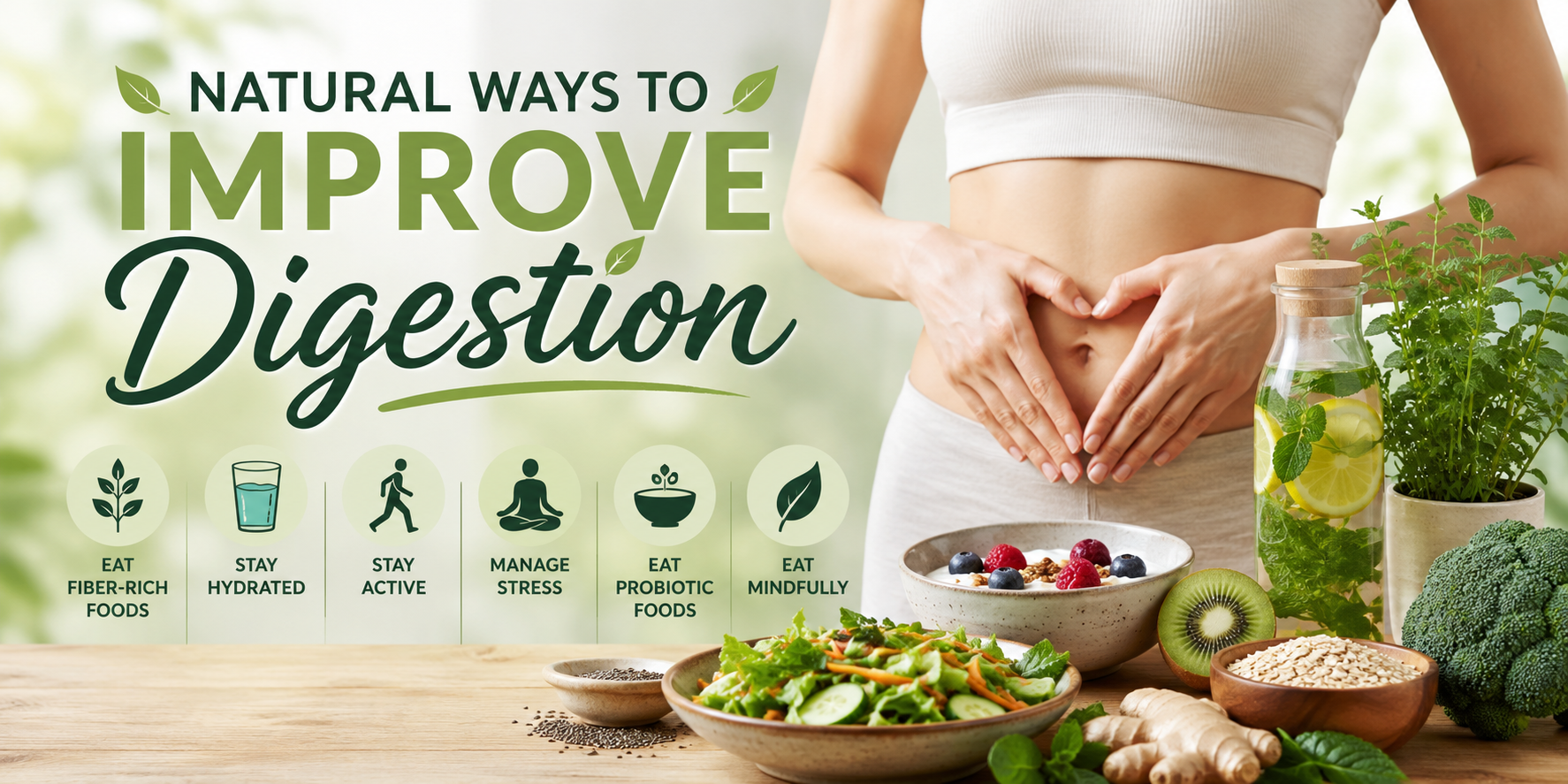
A healthy digestive system is one of the most important foundations of overall health. Every bite of food you eat must be broken down into nutrients that your body can absorb and use for energy, growth, tissue repair, and countless biological functions. When your digestive system works efficiently, you feel more energetic, maintain a healthy weight, absorb essential vitamins and minerals, and experience fewer stomach-related problems. Following healthy eating habits can significantly improve digestive function by providing your body with the nutrients it needs to support a balanced gut. On the other hand, poor digestion can lead to bloating, constipation, gas, acid reflux, abdominal discomfort, nutrient deficiencies, fatigue, and a weakened immune system.
Modern lifestyles have made digestive problems increasingly common. Fast food, highly processed meals, excessive sugar intake, chronic stress, irregular eating schedules, dehydration, lack of physical activity, and insufficient sleep all place extra strain on the digestive system. Even healthy individuals may occasionally experience digestive discomfort due to overeating, food intolerances, or changes in routine.
Fortunately, there are many natural and effective ways to improve digestion without relying on medications for everyday digestive support. Simple lifestyle adjustments—such as eating a balanced diet rich in fiber, drinking enough water, chewing food thoroughly, exercising regularly, and supporting the gut microbiome with probiotics and prebiotics—can significantly enhance digestive function. These habits not only help relieve common digestive issues but also contribute to better overall health, improved metabolism, stronger immunity, and enhanced mental well-being through the gut-brain connection.
Understanding how digestion works is the first step toward improving it naturally. Digestion begins in the mouth, where chewing and saliva start breaking down food. It continues in the stomach, where digestive acids and enzymes further process food before it moves into the small intestine, where most nutrients are absorbed. The remaining waste passes into the large intestine, where water is absorbed and beneficial bacteria help ferment undigested fibers before elimination. Each stage depends on healthy eating habits, proper hydration, and a balanced gut microbiome.
One of the most important factors in digestive health is maintaining a diverse community of beneficial gut bacteria. Often referred to as the gut microbiome, these trillions of microorganisms help digest food, produce certain vitamins, regulate inflammation, and strengthen the immune system. Scientists continue to discover how closely gut health is connected to overall wellness, including brain function, mood, and metabolic health. Supporting these beneficial bacteria through a nutritious diet and healthy lifestyle is one of the best natural ways to improve digestion.
Natural digestive health also involves developing consistent daily habits rather than looking for quick fixes. Eating meals at regular times, avoiding overeating, limiting processed foods, managing stress, and getting adequate sleep all contribute to better digestive function. Small, sustainable improvements often produce greater long-term results than restrictive diets or short-term detoxes.
This comprehensive guide explores the most effective natural ways to improve digestion, explains the science behind healthy gut function, highlights foods that support digestive health, identifies habits that may interfere with digestion, and provides practical strategies you can incorporate into your daily routine. Whether your goal is to reduce bloating, prevent constipation, improve nutrient absorption, or simply maintain a healthier gut, these evidence-based recommendations can help you build lasting digestive wellness naturally.
READ MORE: Hydrogel Cold Compress Benefits for Eye Strain and Swollen Eyelids.
 molyatkinsan
  alona queen