

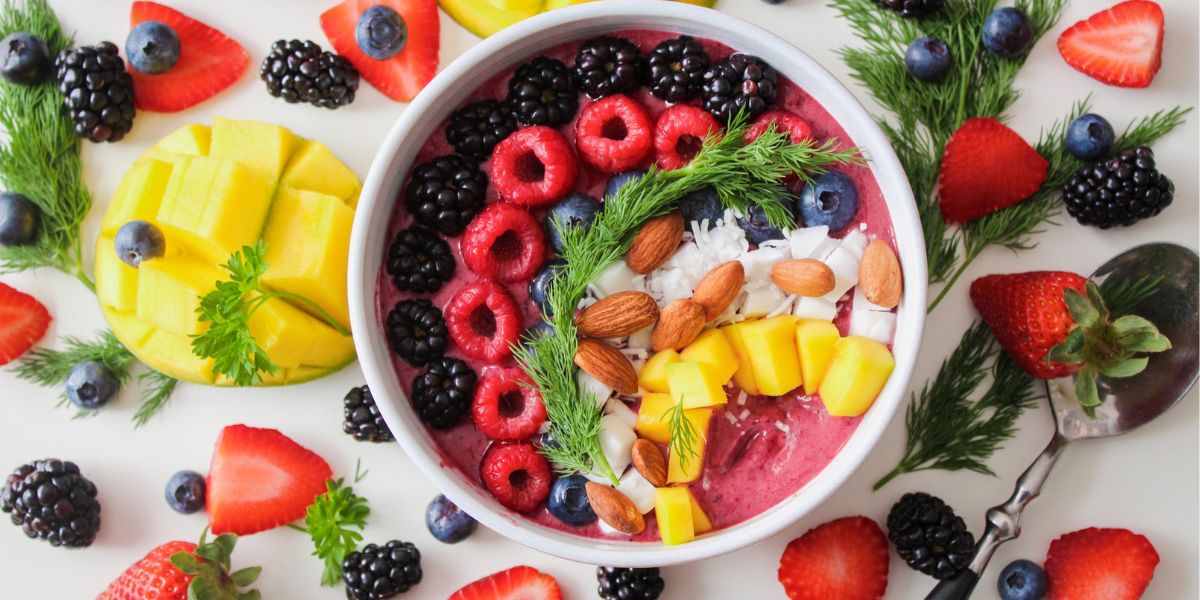
Vitamins are essential nutrients that help your body function properly every day. They support your immune system, energy production, healthy skin, bones, vision, blood cells, and many other important processes. While vitamin supplements can be useful in certain situations, many people can get a wide range of essential vitamins by eating a varied diet rich in natural foods.
Choosing whole foods such as fruits, vegetables, eggs, dairy products, legumes, nuts, seeds, whole grains, fish, and lean meats can help provide your body with important vitamins naturally. The key is not to rely on one food but to enjoy a variety of nutrient-rich foods throughout the week.
Why Get Vitamins From Natural Foods?
Natural foods provide more than individual vitamins. They also contain minerals, protein, healthy fats, fiber, and other beneficial compounds that work together as part of a balanced diet.
For example, an orange provides vitamin C along with water and plant compounds, while leafy green vegetables provide folate, vitamin K, and other nutrients.
A balanced diet can therefore be a practical way to improve overall nutrition while reducing dependence on highly processed foods.
Best Natural Food Sources of Vitamin A
Vitamin A is important for normal vision, immune function, and healthy skin and tissues.
You can find vitamin A and its precursors in foods such as:
- Carrots
- Sweet potatoes
- Pumpkin
- Spinach
- Kale
- Eggs
- Dairy products
- Liver
Orange and dark-green vegetables are particularly useful sources of beta-carotene, which the body can convert into vitamin A.
Try adding roasted sweet potatoes, carrots, or spinach to meals for an easy natural source of this nutrient.
Natural Foods Rich in B Vitamins
The B vitamins include several different vitamins that play important roles in energy metabolism, red blood cell production, nervous-system function, and other body processes.
Good food sources include:
- Whole grains
- Beans and lentils
- Eggs
- Fish
- Meat
- Dairy products
- Nuts and seeds
- Leafy green vegetables
- Bananas
- Potatoes
Different B vitamins are found in different foods, so eating a variety of these foods is more beneficial than depending on one source.
Vitamin B12
Vitamin B12 deserves special attention because natural dietary sources are mainly animal foods. Fish, meat, eggs, milk, and other dairy products can provide B12.
People following a strict vegan diet may need fortified foods or a supplement because naturally occurring vitamin B12 is not generally available from plant foods.
Best Natural Sources of Vitamin C
Vitamin C supports normal immune function, collagen formation, wound healing, and helps the body absorb iron from plant foods.
Excellent food sources include:
- Oranges
- Guava
- Kiwi
- Strawberries
- Bell peppers
- Tomatoes
- Broccoli
- Cabbage
- Citrus fruits
You do not need to rely only on oranges for vitamin C. Bell peppers, guava, kiwi, and several vegetables can also be excellent choices.
Because vitamin C can be affected by cooking and prolonged storage, eating some vitamin-C-rich foods fresh or lightly cooked can help preserve their nutritional value.
Natural Foods With Vitamin D
Vitamin D is important for calcium absorption and healthy bones and muscles.
Food sources include:
- Fatty fish such as salmon and sardines
- Egg yolks
- Fortified milk
- Fortified plant-based beverages
- Some fortified cereals
- Certain mushrooms
Unlike many other vitamins, vitamin D can also be produced by the body when skin is exposed to sunlight. However, the amount produced can vary depending on factors such as season, location, skin pigmentation, age, clothing, and sunscreen use.
If you are concerned about your vitamin D level, speak with a healthcare professional about whether testing or supplementation is appropriate.
Vitamin E From Nuts, Seeds, and Plant Foods
Vitamin E acts as an antioxidant and helps protect cells from oxidative damage.
Natural food sources include:
- Almonds
- Sunflower seeds
- Peanuts
- Hazelnuts
- Avocados
- Spinach
- Vegetable oils
- Wheat germ
A small serving of nuts or seeds can be an easy addition to breakfast, yogurt, salads, or snacks.
Because nuts and seeds are calorie-dense, moderate portions are usually enough.
Natural Sources of Vitamin K
Vitamin K plays an important role in normal blood clotting and bone health.
Leafy green vegetables are among the best natural sources. Try including:
- Kale
- Spinach
- Collard greens
- Broccoli
- Lettuce
- Cabbage
- Parsley
Adding leafy greens to soups, salads, sandwiches, or cooked meals can make it easier to increase your vitamin K intake.
If you take blood-thinning medication, however, talk with your healthcare professional before making major changes to your vitamin K intake.
Folate From Natural Foods
Folate, the natural form of vitamin B9, is needed for DNA production and cell division. It is especially important during periods of rapid growth.
Good natural sources include:
- Lentils
- Chickpeas
- Beans
- Spinach
- Broccoli
- Avocado
- Asparagus
- Leafy green vegetables
- Oranges
People who could become pregnant are commonly advised to take folic acid, the supplemental form of vitamin B9, because adequate folic acid before and during early pregnancy helps reduce the risk of neural tube defects.
Foods That Provide Several Vitamins at Once
Some foods are especially useful because they contain a combination of important nutrients.
Eggs
Eggs provide several B vitamins along with vitamin A and other nutrients. They are also a convenient source of protein.
Leafy Greens
Spinach, kale, and other leafy vegetables can provide folate, vitamins A, C, and K, along with minerals and fiber.
Fatty Fish
Salmon, sardines, and similar fish provide vitamin D and B vitamins while also supplying omega-3 fatty acids and protein.
Nuts and Seeds
Almonds, sunflower seeds, peanuts, and other nuts and seeds can provide vitamin E and several B vitamins.
Legumes
Beans, lentils, and chickpeas are useful sources of folate and several B vitamins. They also provide fiber and plant-based protein.
Colorful Fruits and Vegetables
Eating a variety of colorful produce can help you obtain vitamin C, vitamin A precursors, folate, and other nutrients.
How to Get More Vitamins Naturally Every Day
You do not need to completely change your diet to increase your vitamin intake. A few simple habits can make a difference.
1. Eat Different Colors
Try to include vegetables and fruits of different colors throughout the week. Different plant foods contain different combinations of vitamins and beneficial compounds.
2. Add Leafy Greens
Add spinach, kale, or other greens to eggs, soups, sandwiches, salads, or smoothies.
3. Choose Whole Grains
Replace some refined grains with whole-grain foods such as oats, brown rice, and whole-wheat bread.
4. Include Protein-Rich Foods
Eggs, fish, beans, lentils, dairy products, nuts, and lean meats can provide several vitamins along with protein.
5. Keep Fruit Available
Keeping fruit where you can easily see it may make it easier to choose a nutrient-rich snack.
6. Avoid Overcooking Vegetables
Some vitamins, particularly water-soluble vitamins such as vitamin C and certain B vitamins, can be lost during cooking. Steaming, microwaving, or lightly cooking vegetables may help preserve nutrients compared with prolonged boiling.
Can Natural Foods Provide All the Vitamins You Need?
For many healthy people, a varied and balanced diet can provide most essential vitamins. However, individual nutritional needs vary.
Certain people may have a higher risk of deficiency because of factors such as restricted diets, pregnancy, certain medical conditions, digestive problems, or medications that affect nutrient absorption or metabolism.
Vitamin B12 can be a particular concern for people who avoid animal products, while vitamin D intake can also be difficult to obtain from food alone for some people.
A healthcare professional or registered dietitian can help determine whether you need a supplement based on your diet and individual circumstances.
Natural Foods vs. Vitamin Supplements
Whole foods should generally be the foundation of a healthy diet. Supplements can be helpful when a person cannot obtain enough of a particular nutrient from food or has increased nutritional requirements.
However, more is not always better. Some vitamins, particularly fat-soluble vitamins such as A, D, E, and K, can accumulate in the body, and excessive supplemental intake can be harmful.
It is therefore best to avoid taking high-dose vitamin supplements without professional advice.
Simple Daily Meal Ideas for Natural Vitamins
A balanced day might look something like this:
Breakfast: Oatmeal topped with strawberries, nuts, and yogurt.
Lunch: A large salad with spinach, chickpeas, tomatoes, avocado, and whole-grain bread.
Snack: An orange or kiwi with a small handful of almonds.
Dinner: Grilled salmon with broccoli, brown rice, and roasted sweet potatoes.
Optional snack: Plain yogurt with fruit and seeds.
This type of meal pattern combines fruits, vegetables, whole grains, legumes, nuts, dairy, and fish to provide a broad range of vitamins and other nutrients.
Final Thoughts
Getting vitamins from natural foods can be a simple and enjoyable part of a healthy lifestyle. Instead of focusing on one “superfood,” aim for variety. Include colorful fruits and vegetables, whole grains, legumes, nuts, seeds, eggs, dairy products, fish, and other nutrient-rich foods regularly.
A balanced diet can provide many essential vitamins while also supplying protein, fiber, minerals, healthy fats, and other beneficial nutrients. If you suspect you have a vitamin deficiency or have special nutritional needs, talk with a qualified healthcare professional before starting high-dose supplements.
Remember, the goal is not to eat perfectly. It is to build a varied eating pattern that gives your body the nutrients it needs consistently.
READ MORE: Natural Weight Loss Tips Without Exercise: Simple Ways to Lose Weight Naturall.