

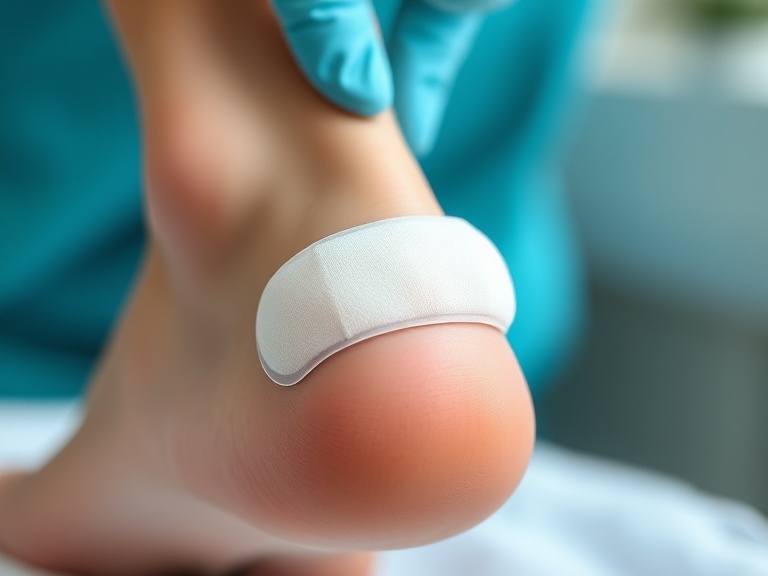
Bandages for Blisters on Foot: Foot blisters are one of those minor injuries that can cause major discomfort. Whether you’re breaking in new shoes, training for a marathon, or simply spending a long day on your feet, blisters can quickly turn an ordinary day into a painful experience. Understanding how to properly treat and bandage foot blisters can make all the difference in your recovery time and comfort level.
Table of Contents
Understanding Foot Blisters
A blister forms when friction causes the outer layer of skin to separate from the inner layers, creating a fluid-filled pocket. This natural defense mechanism actually protects the damaged tissue underneath while it heals. On feet, blisters commonly develop on heels, toes, and the balls of the feet where shoes create the most pressure and rubbing.
The clear fluid inside most blisters is called serum, which leaks from nearby tissues. This cushioning effect helps protect the raw skin beneath from further damage. While blisters typically heal on their own within a few days, proper bandaging can significantly reduce pain and prevent infection.
Why Proper Bandaging Matters
Many people make the mistake of either ignoring blisters or treating them incorrectly. Using the right type of bandage for foot blisters serves several critical purposes. First, it provides a protective barrier against bacteria and dirt that could cause infection. Second, it cushions the affected area from continued friction. Third, it keeps the blister intact so it can heal naturally from the inside out.
The wrong approach to bandaging can actually slow healing or create additional problems. Regular adhesive bandages often slip off in shoes or fail to stay put during movement. They may also stick to the blister itself, causing pain during removal and potentially tearing the delicate skin.
Types of Bandages for Foot Blisters
Several specialized products are designed specifically for blister care, each with unique advantages.
Hydrocolloid Dressings
These advanced bandages have become the gold standard for blister treatment. Hydrocolloid dressings contain gel-forming agents that create a moist healing environment while absorbing excess fluid. They form a protective seal over the blister that stays in place for several days, even through showers and physical activity.
The cushioning effect of hydrocolloid bandages makes them particularly effective for foot blisters. They reduce pressure and friction while allowing the skin underneath to heal undisturbed. Many people report significant pain relief within hours of application.
Foam Padding
Foam dressings provide excellent cushioning for larger blisters or those in high-pressure areas. These thick, soft pads distribute weight away from the blister while protecting it from shoe friction. Foam padding works especially well for heel blisters, which endure constant pressure during walking.
Blister Plasters
Pre-shaped blister plasters are designed to fit specific areas of the foot, such as heels or toes. These specialized bandages combine the benefits of hydrocolloid technology with shapes that conform to foot contours. Their adhesive borders extend beyond the blister itself, ensuring they stay firmly attached during movement.
Standard Gauze and Medical Tape
For situations where specialized products aren’t available, clean gauze pads secured with medical tape can provide basic protection. While not as advanced as modern alternatives, this combination creates a breathable barrier that prevents contamination. The key is ensuring the gauze doesn’t stick directly to the blister surface.
How to Apply Bandages Correctly
Proper application technique is essential for effective blister treatment. Start by washing your hands thoroughly with soap and water. Clean the area around the blister gently, being careful not to pop it unless absolutely necessary. Pat the skin dry with a clean towel.
If using a hydrocolloid bandage, ensure the skin around the blister is completely dry for maximum adhesion. Remove the backing and apply the bandage carefully, smoothing it from the center outward to eliminate air bubbles. The bandage should extend at least half an inch beyond the blister on all sides.
For foam padding, you may need to cut a hole in the center slightly larger than the blister. This doughnut shape allows the blister to sit protected within the hole while the foam cushions the surrounding area. Secure the foam with medical tape or an outer bandage.
When to Drain a Blister
Most intact blisters should be left alone to heal naturally. However, large or painful blisters that interfere with walking may need draining. If you must drain a blister, sterilize a needle with rubbing alcohol first. Puncture the edge of the blister in one or two spots, allowing fluid to drain while keeping the skin roof intact. This protective layer speeds healing.
After draining, apply antibiotic ointment and cover with an appropriate bandage. Monitor the area daily for signs of infection, including increased redness, warmth, pus, or spreading pain.
Changing Bandages
The frequency of bandage changes depends on the type you’re using. Hydrocolloid dressings can typically stay in place for three to five days unless they become loose or dirty. Standard gauze bandages should be changed daily or whenever they become wet or soiled.
Always clean the area gently during bandage changes. As healing progresses, you’ll notice the blister fluid being absorbed and new skin forming underneath. Once the area appears dry and new skin has formed, you can discontinue bandaging.
Prevention Strategies
The best treatment for blisters is preventing them in the first place. Wear properly fitted shoes with adequate room for your toes. Break in new footwear gradually rather than wearing them for extended periods immediately. Moisture-wicking socks reduce friction by keeping feet dry.
Apply blister prevention products to vulnerable areas before activities that typically cause problems. These include petroleum jelly, specialized anti-friction balms, or preventive tape. Some athletes apply bandages to known problem spots before they develop blisters.
Red Flags and When to Seek Medical Care
While most foot blisters heal without complications, certain situations require professional attention. Seek medical care if you notice signs of infection, if you have diabetes or poor circulation, or if the blister doesn’t improve after a week of proper care.
Blood blisters or blisters that develop without obvious friction may indicate underlying conditions requiring evaluation. People with compromised immune systems should be particularly cautious about any skin injuries on their feet.
Frequently Asked Questions
How long does it take for a foot blister to heal?
Most small to medium-sized blisters heal within three to seven days with proper care. Larger blisters or those that have popped may take up to two weeks. Keeping the area protected and avoiding the activity that caused the blister speeds recovery.
Should I pop a blister before bandaging it?
Generally, intact blisters should remain unpopped as the fluid and skin provide natural protection. Only drain very large or painful blisters that interfere with normal movement, and always maintain sterile conditions when doing so.
Can I exercise with a bandaged blister?
Light activity is usually fine with proper bandaging, but avoid the specific activity that caused the blister until it heals. If exercise causes pain despite bandaging, take additional rest days to prevent worsening the injury.
What’s the best bandage for heel blisters?
Hydrocolloid bandages specifically designed for heels work best. Their shape conforms to the heel curve and stays attached despite the constant movement and pressure this area experiences during walking.
Is it normal for skin under a hydrocolloid bandage to look white?
Yes, this white appearance is normal and occurs as the bandage absorbs fluid and creates a moist healing environment. This white gel-like substance indicates the bandage is working properly.
How can I keep bandages on my feet from sliding off?
Ensure skin is completely clean and dry before application. Choose bandages designed specifically for feet, which have stronger adhesives. Consider wearing thin socks over bandaged areas to hold them in place inside shoes.
 alona queen