

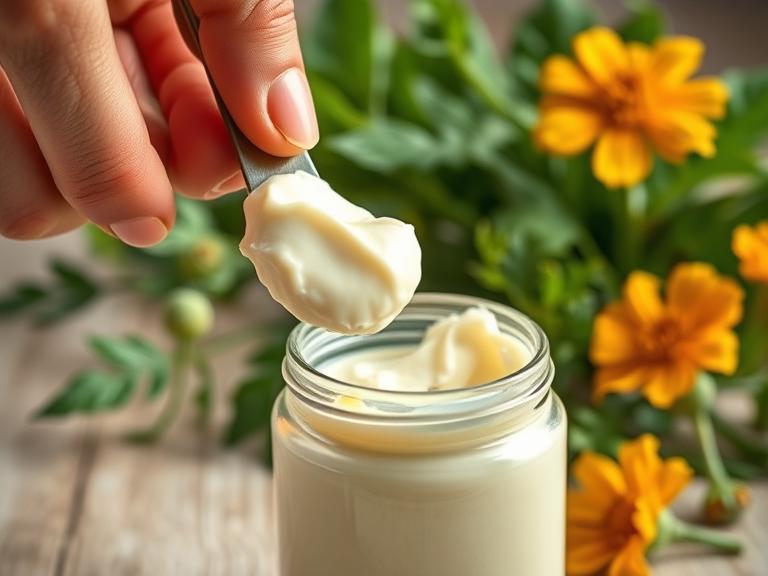
In the relentless search for relief from eczema, many individuals find themselves navigating a labyrinth of prescription creams, over-the-counter ointments, and complex skincare routines. The journey is often marked by trial and error, with some products offering temporary respite while others cause further irritation. In this challenging landscape, a surprising and ancient ingredient is making a remarkable comeback: tallow.
Once a commonplace household staple, tallow is being rediscovered for its profound potential to soothe and heal the inflamed, compromised skin characteristic of eczema. This article delves into the science and tradition behind using tallow for eczema, exploring why this time-honored fat is capturing the attention of those seeking a more natural and holistic approach to skin health.
Table of Contents
What is Tallow? A Return to Basics
At its core, tallow is simply rendered animal fat, typically sourced from beef or mutton. The process involves gently heating the hard fat (suet) from around the animal’s kidneys and loins to separate the pure fat from any remaining tissue. The result is a stable, semi-solid fat that is white or pale yellow in color at room temperature.
Historically, tallow was not a niche product. It was a fundamental resource used for cooking, candle-making, and, importantly, for skincare. Our ancestors understood its value in protecting and nourishing the skin against harsh elements. Before the advent of modern, petroleum-based and synthetic-ingredient-laden moisturizers, animal fats like tallow, lard, and butter were the primary tools for maintaining skin integrity.
The Science of Skin: Why Tallow is a Remarkable Match
To understand why tallow can be so effective for eczema, we must first look at the structure of our skin. The outermost layer of our skin, the stratum corneum, is protected by the skin barrier. This barrier is not just a wall; it’s a complex, dynamic system often described as a “brick and mortar” structure. The skin cells (corneocytes) are the “bricks,” and a matrix of lipids (fats) is the “mortar” that holds them together.
In individuals with eczema, this lipid matrix is compromised. There is a documented deficiency in key lipids like ceramides, cholesterol, and free fatty acids. This defective barrier allows moisture to escape (leading to dry, scaly skin) and permits irritants, allergens, and microbes to enter, triggering inflammation, redness, and itching—the hallmark symptoms of eczema.
This is where tallow shines. The fat composition of tallow is remarkably similar to the lipids found in human skin.
- A Close Bio-Match: Tallow is predominantly composed of triglycerides, which are molecules containing both saturated and unsaturated fats. Crucially, it contains a high proportion of palmitoleic, oleic, and stearic acids. These are the same types of fatty acids that are abundant in human sebum (the skin’s natural oil). This biochemical similarity means that the skin recognizes and can readily utilize the components of tallow to help repair its own damaged lipid barrier.
- A Powerhouse of Fat-Soluble Vitamins: Grass-fed tallow is an exceptional source of fat-soluble vitamins crucial for skin health:
- Vitamin A: Essential for cellular growth and repair. It promotes skin regeneration and helps soothe inflammation.
- Vitamin D: Plays a role in skin immunity and can help modulate the inflammatory response.
- Vitamin E: A potent antioxidant that protects skin cells from oxidative stress and supports healing.
- Vitamin K: Less prominent but still involved in supporting skin health and healing.
Unlike many plant-based oils or synthetic creams that sit on top of the skin, tallow is believed to be more easily absorbed, delivering its nourishing fats and vitamins directly to where they are needed most to fortify the skin from within.
Tallow vs. Modern Moisturizers: A Paradigm Shift
Conventional eczema creams often work by creating an occlusive layer on the skin to prevent water loss. While this can be helpful, it’s a passive approach. Many of these products also contain a long list of ingredients—preservatives, fragrances, emulsifiers, and penetration enhancers—that can further irritate sensitive, eczematous skin.
Tallow balms, especially those from artisanal or DIY sources, typically have one ingredient: 100% pure tallow. Sometimes, they are infused with gentle, skin-soothing herbs like calendula or chamomile. This simplicity is its greatest strength. By providing the skin with the exact building blocks it lacks, tallow takes an active role in helping the skin heal itself, rather than just managing the symptoms.
How to Use Tallow for Eczema: A Practical Guide
If you are considering incorporating tallow into your skincare routine, a mindful and cautious approach is essential.
- Source Matters: The quality of the tallow is paramount. Look for tallow rendered from the fat of 100% grass-fed, grass-finished, and pasture-raised animals. Animals raised on their natural diet produce fat that is nutritionally superior, with a better balance of anti-inflammatory omega-3 fatty acids and a higher vitamin content.
- Patch Test First: As with any new skincare product, always perform a patch test. Apply a small amount of tallow to a discreet area of skin, such as the inside of your forearm. Wait 24-48 hours to see if any adverse reaction (increased redness, itching, or rash) occurs. While tallow is generally non-comedogenic and well-tolerated, any individual can have a sensitivity.
- Application Technique:
- Use tallow on clean, slightly damp skin. This helps lock in hydration.
- Scoop a small amount (it’s rich, so a little goes a long way) and warm it between your fingers until it melts.
- Gently press and pat it onto the affected areas. Avoid vigorous rubbing, which can further irritate inflamed skin.
- It can be used as needed throughout the day, but many find applying it once in the morning and once at night to be sufficient.
- Managing Expectations: Tallow is not an instant cure for eczema. It is a powerful supportive therapy. Some users report noticeable improvement within days, while for others, it may take several weeks of consistent use to see a significant strengthening of the skin barrier and a reduction in flare-ups.
Potential Drawbacks and Considerations
The most immediate drawback for some is the very mild, earthy scent of pure tallow, which is often described as a faint, buttery smell. Many commercial tallow balms infuse herbs to create a more neutral or pleasant aroma. Furthermore, for those following a vegan or vegetarian lifestyle, tallow is not a suitable option.
It is also crucial to remember that eczema is a complex condition with various triggers, including diet, stress, environment, and genetics. While tallow can be a phenomenal tool for managing the skin barrier dysfunction aspect of eczema, it should be viewed as one part of a comprehensive management plan.
Informational FAQs
1. Is tallow safe to use on a baby’s or child’s eczema?
Many parents report great success using high-quality, pure tallow balms on their children’s eczema. A child’s skin is often more sensitive, so a patch test is even more critical. Always consult with your pediatrician before introducing any new skincare product to your child’s routine, especially if their eczema is severe.
2. Can I make my own tallow balm at home?
Yes, it is quite simple. You can source suet from a local farmer or butcher. Render it slowly over low heat until the fat is liquid and any cracklings (tissue bits) have sunk to the bottom. Strain the clear liquid fat through a cheesecloth into a jar. Once it cools and solidifies, it is ready to use. You can whip it with a mixer for a fluffier, easier-to-apply consistency.
3. Will tallow clog my pores?
Despite being a fat, tallow is considered non-comedogenic for most people. Its composition is so similar to our own sebum that the skin can process it efficiently without clogging pores. However, every individual’s skin is unique, so monitoring your skin’s response is key.
4. How does tallow compare to popular plant oils like coconut or jojoba oil?
While plant oils can be beneficial, their fatty acid profile is different from human sebum. Tallow’s unique combination of saturated and unsaturated fats, along with its fat-soluble vitamin content, makes it a particularly close bio-match to the skin’s natural lipid barrier, which may offer superior reparative benefits for a compromised barrier like that found in eczema.
5. Where can I find high-quality tallow for skincare?
Look for small-batch producers on platforms like Etsy, or from local farmers who practice regenerative agriculture. Ensure they explicitly state that their tallow is 100% pure, grass-fed, and intended for cosmetic use.
 alona queen