

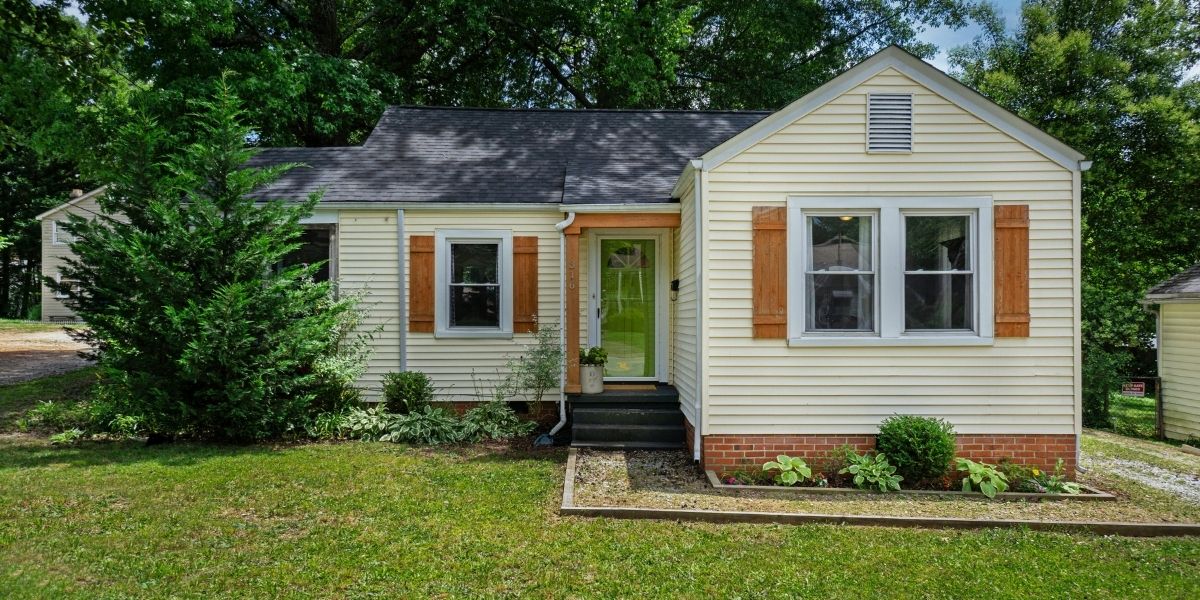
You don’t need a huge budget or a major renovation to make your home feel fresh and comfortable. Sometimes, a few simple changes can completely transform the way a room looks and feels. Whether you live in a small apartment, a starter home, or simply want to refresh one room at a time, there are plenty of small home improvement ideas that are affordable, practical, and easy to try.
The best part is that many of these improvements can be completed in a weekend. From adding better lighting to organizing clutter and refreshing your walls, small upgrades can make your home more functional while giving it a more welcoming appearance.
1. Give the Walls a Fresh Coat of Paint
Painting is one of the easiest ways to change the look of a room. You don’t necessarily need to repaint the entire house. Choose one room, a small hallway, or even a single accent wall.
Light and neutral shades can make a small room feel more open, while warmer colors can create a cozy atmosphere. If you’re unsure about using a bold color, try painting a small section first and see how it looks throughout the day.
For a simple improvement, consider repainting:
- A bedroom wall
- The entryway
- A small bathroom
- Kitchen cabinets
- An interior door
2. Upgrade Your Lighting
Good lighting can make an ordinary room feel much more inviting. If your space feels dark or dull, you may not need expensive fixtures. Replacing an old light fixture, adding a floor lamp, or placing a small table lamp in a dark corner can make a noticeable difference.
You can also use warm-toned bulbs in bedrooms and living spaces for a softer feel. In work areas and kitchens, brighter lighting can make everyday tasks easier.
3. Replace Old Cabinet Hardware
One of the simplest small home improvement projects is changing cabinet handles and drawer pulls. New hardware can give an older kitchen or bathroom a surprisingly fresh appearance.
Look for hardware that matches your existing style. Simple metal handles work well in modern spaces, while traditional designs can add character to older homes.
Before buying new hardware, measure the distance between existing screw holes so you choose replacements that fit properly.
4. Add More Storage
Small homes can quickly feel crowded when everything doesn’t have a place. Adding practical storage can improve both the appearance and functionality of your home.
Try using:
- Floating shelves
- Storage baskets
- Under-bed containers
- Wall-mounted hooks
- Over-the-door organizers
- Narrow shelving units
Using vertical wall space is especially useful when floor space is limited.
5. Refresh the Entryway
Your entryway is the first part of your home that you and your guests see. Even a small entrance can benefit from a few simple improvements.
Add a small rug, wall hooks for coats and bags, and a narrow shelf for keys or everyday items. A mirror can also make the area feel brighter and more spacious.
Keeping shoes, mail, and other clutter organized will make the entrance look cleaner without requiring a major renovation.
6. Update Interior Doors
Interior doors often get overlooked, but they can have a big effect on the overall appearance of your home. If your doors look worn, give them a thorough cleaning and consider repainting them.
You can also replace outdated door handles or add simple decorative trim. These small details can make older doors look considerably better.
7. Improve Your Bathroom Without Remodeling
You don’t have to completely remodel a bathroom to make it feel new. Start with small upgrades that improve its appearance and usefulness.
Consider replacing an old shower curtain, updating cabinet hardware, adding a framed mirror, or installing better lighting.
Fresh towels, a small plant, and organized storage can also make a basic bathroom feel cleaner and more comfortable.
8. Add Plants for a Natural Touch
Houseplants are an easy way to bring a natural feeling indoors. You don’t need a large collection of plants. Even one or two well-placed plants can add life to a room.
If you’re new to caring for plants, choose low-maintenance varieties and place them where they receive the appropriate amount of light.
For homes with limited space, consider hanging planters or small plants on shelves instead of using valuable floor space.
9. Replace Old Curtains or Blinds
Window treatments can change the appearance of a room without requiring much work. If your curtains are faded or outdated, replacing them can instantly refresh the space.
Choose lighter curtains if you want a room to feel brighter and more open. For bedrooms, consider options that provide better privacy and light control.
Make sure the curtain rod is installed securely and positioned appropriately above the window.
10. Create a Simple Accent Wall
An accent wall can add personality without the time and cost of redesigning an entire room. Paint one wall a different shade or use removable wallpaper for a temporary option.
This works particularly well behind:
- A bed
- A sofa
- A dining table
- A desk
- A television
Keep the rest of the room relatively simple so the accent wall doesn’t make the space feel too busy.
11. Change Your Furniture Arrangement
Sometimes the best home improvement costs nothing at all. Moving your furniture can make a room feel completely different.
Try creating clearer walking paths and moving furniture away from windows when possible. Avoid pushing every piece against the wall simply because it seems like the obvious arrangement.
Experiment with different layouts before buying new furniture. You may discover that your existing pieces work better than you thought.
12. Make Your Kitchen More Functional
Small kitchen improvements can make everyday cooking much easier. Start by removing items you rarely use and organizing the things you use most often.
Add drawer dividers, shelf risers, or wall-mounted storage where appropriate. You can also create a dedicated area for frequently used cooking tools.
If your kitchen cabinets look dated, painting them or replacing their handles may provide a major visual improvement without replacing the entire kitchen.
13. Update Your House Numbers
Small exterior details can improve your home’s curb appeal. Replacing old house numbers with clean, easy-to-read ones is a quick project that can make the front of your home look more polished.
You can also clean your front door, replace a worn doormat, or add a simple outdoor planter near the entrance.
14. Improve the Floors Without Replacing Them
New flooring can be expensive, but there are smaller ways to make existing floors look better. Start with a deep cleaning appropriate for the flooring material.
Area rugs can add warmth and help define different spaces. In a bedroom or living room, a properly sized rug can make the furniture arrangement feel more intentional.
If flooring is damaged, repair small problem areas when possible rather than immediately replacing the entire surface.
15. Add Mirrors to Small Rooms
Mirrors can make a compact room appear brighter and more spacious by reflecting light. Place one opposite a window or another light source when practical.
A large mirror can become a focal point, while several smaller mirrors can create a decorative arrangement.
Choose a frame that complements the furniture and overall style of the room.
16. Declutter One Area at a Time
Decluttering is one of the most affordable home improvements because it costs nothing. Instead of trying to organize the entire house in one day, focus on one small area.
Start with a drawer, shelf, closet, or countertop. Remove items you no longer need and organize what remains.
A less cluttered space can make your home feel larger, cleaner, and easier to maintain.
17. Improve Small Details Around the Home
You don’t always notice small problems until they begin to add up. Loose handles, squeaky hinges, damaged caulk, and scuffed walls can make a home feel less maintained.
Create a short list of small repairs and handle them one by one. Depending on the project, you might:
- Tighten loose screws
- Lubricate squeaky hinges
- Touch up wall marks
- Replace worn caulk
- Fix loose cabinet handles
- Replace damaged switch plates
These simple repairs can make a surprisingly big difference.
18. Create a Cozy Reading or Relaxation Corner
If you have an unused corner, turn it into a small space for relaxing. You don’t need a dedicated room.
A comfortable chair, small side table, lamp, and soft blanket may be enough. Keep the design simple so the area doesn’t become another source of clutter.
This is an especially useful improvement if you want your home to feel more comfortable without adding lots of furniture.
19. Make Your Home More Energy Efficient
Some home improvements can make your space more comfortable while potentially reducing energy use. Check for drafts around doors and windows and replace worn weatherstripping when appropriate.
You can also use energy-efficient light bulbs and make sure heating and cooling systems are maintained according to the manufacturer’s recommendations.
Small efficiency improvements can be easier and less expensive than major upgrades.
20. Focus on One Small Project at a Time
The biggest mistake with home improvement is trying to change everything at once. Instead, make a list of the areas that bother you most and start with the easiest project.
For example, you could spend one weekend improving your entryway, another organizing your kitchen, and another refreshing a bedroom wall.
This approach keeps projects manageable and allows you to improve your home gradually.
Final Thoughts
Small home improvement ideas don’t have to involve expensive renovations or complicated construction. A fresh coat of paint, better lighting, new cabinet hardware, additional storage, or a little decluttering can make your home feel noticeably better.
The key is to focus on improvements that solve a real problem or make your everyday space more enjoyable. Start small, work within your budget, and choose changes that fit your home’s existing style. With a few thoughtful upgrades, even a modest home can feel cleaner, brighter, more organized, and more comfortable.
 molyatkinsan