

Introduction
Merisant Worldwide Inc., the company behind popular low-calorie sweetener brands such as Equal and Canderel, became a notable name in the global food industry during the early 2000s. However, behind the brand’s success was a challenging business environment shaped by rising competition, changing consumer preferences, and heavy financial pressure. At the center of this period was Paul Block, Merisant’s CEO, whose leadership came during one of the company’s most difficult chapters.
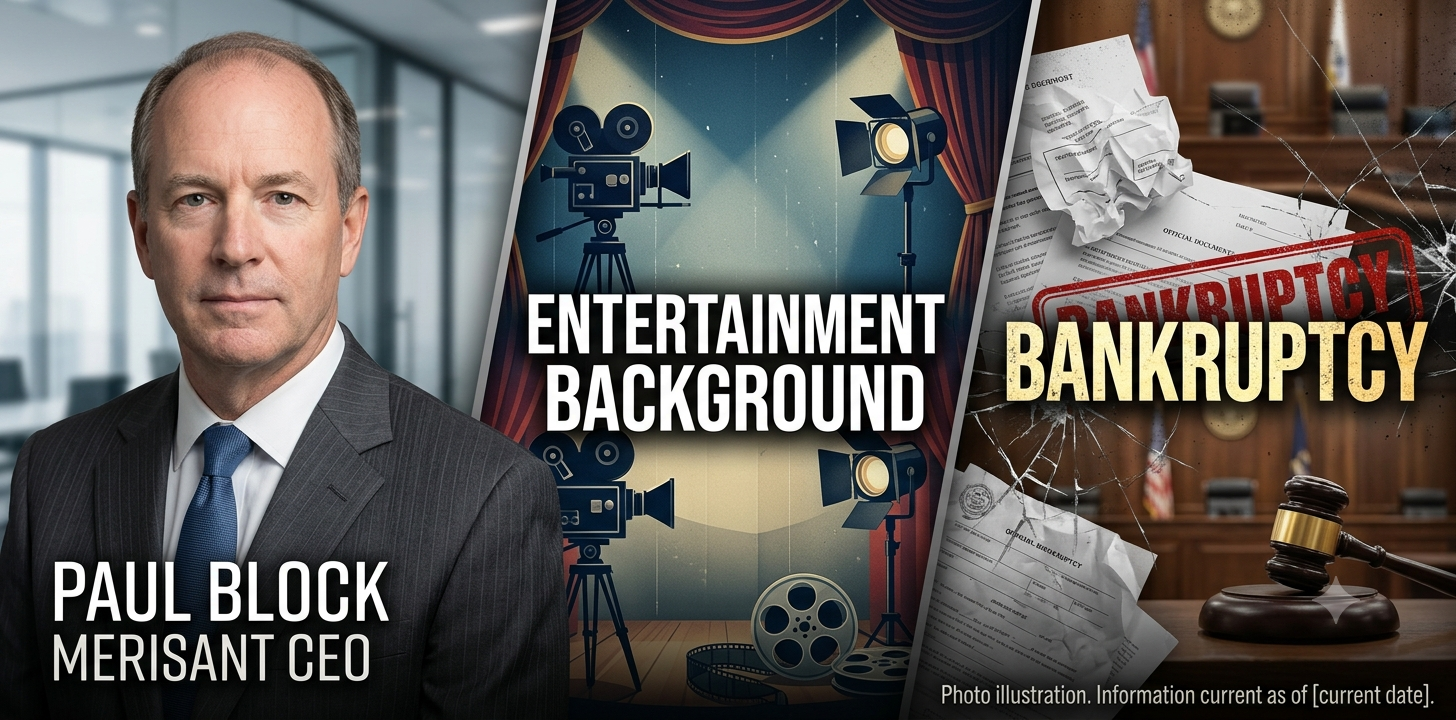
Paul Block’s career background, including his experience in the entertainment industry, brought a unique perspective to corporate leadership. His time at Merisant involved navigating a rapidly changing sweetener market, developing new product opportunities, and managing the company’s financial struggles that eventually led to bankruptcy protection in 2009.
Who Was Paul Block, Merisant’s CEO?
Paul Block served as the chief executive officer of Merisant Worldwide Inc. during a critical stage of the company’s development. As CEO, he was responsible for guiding the company’s global operations, protecting the strength of the Equal brand, and responding to increasing competition within the sweetener industry.
His leadership period was marked by major shifts in consumer demand. Traditional artificial sweeteners faced growing criticism as customers began searching for more natural and healthier alternatives. This change forced companies like Merisant to rethink their strategies and explore new opportunities in the market.
Paul Block’s Entertainment Background and Career Experience
Before becoming associated with Merisant, Paul Block had experience outside traditional food manufacturing, including involvement in the entertainment sector. His entertainment background gave him exposure to branding, consumer behavior, marketing, and building connections with audiences.
The entertainment industry often requires strong communication skills, creative thinking, and an understanding of public perception. These skills can also be valuable in consumer product businesses, where brand recognition and customer trust play important roles.
At Merisant, Block’s leadership approach involved maintaining the company’s well-known brands while attempting to adapt to new market conditions.
The Success and Importance of the Equal Brand
Equal became one of the world’s most recognized tabletop sweeteners. The brand gained popularity among consumers looking for sugar alternatives with fewer calories. For many years, Equal competed strongly in the global sweetener market alongside brands such as Splenda and Sweet’N Low.
Merisant also expanded internationally through brands like Canderel, making the company a significant player in the artificial sweetener industry.
However, the market began changing as consumers became increasingly interested in natural ingredients and healthier lifestyles.
Growing Competition in the Sweetener Industry
One of the biggest challenges facing Merisant was increased competition. Rival products, especially Splenda, gained market attention and reduced Equal’s market share.
The company also faced pressure from the growing popularity of natural sweeteners derived from plants. Consumers and beverage companies started looking for alternatives to traditional artificial sweeteners, creating additional challenges for established brands.
This industry transformation affected Merisant’s ability to maintain growth and compete effectively.
Merisant’s Move Toward Natural Sweeteners
Recognizing changing market trends, Merisant invested in stevia-based sweetener development. The company worked on PureVia, a natural sweetener product designed to compete in the growing market for plant-based alternatives.
This strategy reflected a broader shift in the food and beverage industry, where companies were trying to meet consumer demand for products viewed as more natural and healthier.
Although PureVia represented a potential growth opportunity, it came at a time when Merisant was already facing significant financial difficulties.
The Bankruptcy Challenges Behind Merisant
In January 2009, Merisant Worldwide Inc. filed for Chapter 11 bankruptcy protection in the United States. The company’s financial difficulties were linked to several factors, including declining market share, increased competition, and a heavy debt burden.
Reports at the time indicated that Merisant had struggled to refinance its debt obligations. The company faced hundreds of millions of dollars in financial liabilities, creating pressure on its operations.
Despite the bankruptcy filing, Paul Block stated that the company planned to restructure its finances rather than shut down operations. The goal was to convert a significant amount of debt into equity and continue operating without major job cuts.
Leadership During a Financial Crisis
Leading a company through bankruptcy requires difficult decisions, strategic planning, and communication with employees, investors, and creditors. Paul Block’s role involved balancing financial restructuring with efforts to preserve Merisant’s brands.
The challenge was not only financial but also strategic. The sweetener industry was changing quickly, and Merisant needed to modernize its approach while managing existing obligations.
Lessons From Merisant’s Business Struggle
The Merisant bankruptcy story highlights several important lessons for businesses:
1. Consumer Trends Can Transform Industries
Companies must adapt when customer preferences change. The move toward natural ingredients created new opportunities but also challenged traditional product categories.
2. Strong Brands Need Continuous Innovation
Equal had strong brand recognition, but competition showed that even famous products need innovation to remain successful.
3. Financial Management Is Critical
High levels of debt can create serious problems when market conditions become difficult. Sustainable growth requires careful financial planning.
4. Leadership Matters During Difficult Times
Executives like Paul Block faced the challenge of making decisions under pressure while trying to protect the future of the company.
The Legacy of Merisant and Equal
Although Merisant experienced significant financial challenges, the Equal brand remained a recognized name in the sweetener market. The company’s journey reflects the difficulties many consumer brands face when industries evolve and competition increases.
Paul Block’s time as CEO represents an example of leadership during a period of major business transformation. His experience shows how executives must combine strategic thinking, adaptability, and crisis management skills to guide companies through uncertain times.
Conclusion
The story of Merisant CEO Paul Block combines leadership, entertainment experience, brand management, and corporate restructuring. While Merisant’s bankruptcy highlighted the risks of changing markets and financial pressure, it also demonstrated the importance of innovation and adaptation.
The challenges behind Equal’s struggle provide valuable lessons for modern businesses competing in industries where consumer expectations, technology, and market trends continue to change.
READ MORE: Business and Academic Success: A Natural Guide to Business Education, Skills, and Career Growth.