

Introduction
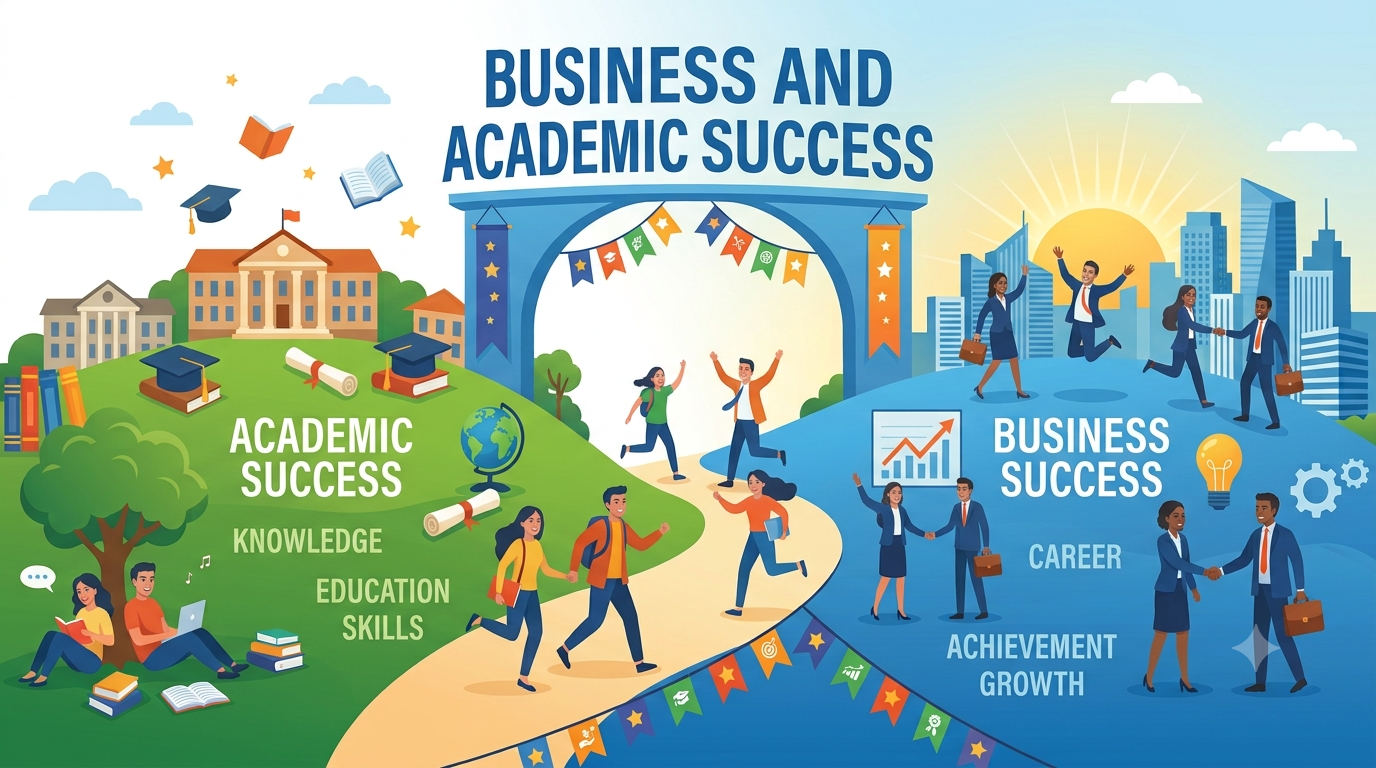
Business and academic success are closely connected because education provides the foundation for developing the knowledge, skills, and confidence needed to succeed in the professional world. Business education helps students understand how organizations operate, how markets work, and how effective decisions are made. From secondary school business studies to advanced university degrees, learning about business creates opportunities for personal development, entrepreneurship, leadership, and career growth.
In today’s competitive environment, academic knowledge alone is not always enough. Successful business professionals combine education with practical experience, communication abilities, problem-solving skills, and continuous learning. A natural approach to business education focuses on building strong foundations while preparing students for real-world challenges.
Understanding Business Education
Business education is a field of learning that teaches the principles, skills, and practices involved in managing and operating businesses. It is offered at different educational levels, including high school, undergraduate programs, postgraduate studies, and doctoral research.
The main purpose of business education is to help students understand areas such as:
- Business management
- Accounting and finance
- Marketing and sales
- Human resource management
- Economics
- Entrepreneurship
- Business law
- Leadership and decision-making
Through these subjects, students gain a broad understanding of how companies function and how professionals can contribute to organizational success.
Business Studies at the Secondary Level
At the secondary education level, business studies introduce students to the basic concepts of the business world. These courses often include topics such as accounting, finance, marketing, economics, and organizational management.
The goal of secondary business education is to provide students with:
- Basic financial knowledge
- Understanding of business operations
- Awareness of market activities
- Communication and teamwork skills
- Early career guidance
Learning business concepts at an early stage helps students develop an interest in entrepreneurship and future professional opportunities.
Undergraduate Business Education and Skill Development
University-level business education provides students with deeper knowledge and specialized skills. Undergraduate programs such as Bachelor of Business Administration (BBA), Bachelor of Commerce (B.Com), and related degrees prepare students for different roles in the business sector.
Common areas of study include:
Management and Leadership
Management courses teach students how to organize resources, lead teams, improve productivity, and make effective business decisions. Leadership skills are essential for managing people and achieving organizational goals.
Marketing and Sales
Marketing education helps students understand customer behavior, branding, advertising, market research, and promotional strategies. These skills are important for businesses looking to attract and retain customers.
Accounting and Finance
Accounting and finance courses develop knowledge of budgeting, financial planning, investment decisions, auditing, and business valuation. Strong financial skills help professionals manage company resources effectively.
Economics and Analytics
Business students learn how economic factors influence markets and organizations. Data analysis and market research skills also help businesses make informed decisions.
Business Law and Ethics
Understanding legal regulations and ethical practices allows future business leaders to manage risks and operate responsibly.
The Role of Practical Experience in Business Success
Academic knowledge becomes more valuable when combined with practical experience. Internships, business projects, workshops, and industry connections allow students to apply classroom learning to real situations.
Internships provide opportunities to:
- Gain workplace experience
- Develop professional communication skills
- Improve teamwork abilities
- Understand business operations
- Build professional networks
Practical learning helps students become more prepared for future careers and increases their confidence in professional environments.
Postgraduate Business Education and Career Advancement
Many professionals continue their education through postgraduate programs to improve their expertise and career opportunities. Degrees such as the Master of Business Administration (MBA), Master of Management, and specialized business master’s programs help individuals develop advanced leadership and strategic skills.
Postgraduate business education focuses on:
- Strategic planning
- Advanced management techniques
- Business innovation
- Financial decision-making
- International business
- Entrepreneurship
These programs are designed for individuals who want to move into leadership positions or specialize in specific business fields.
Developing Essential Skills for Business Success
Successful business professionals require more than academic qualifications. Developing practical skills is equally important.
Communication Skills
Clear communication helps professionals share ideas, negotiate effectively, and build strong relationships with customers, employees, and business partners.
Problem-Solving Skills
Businesses often face challenges that require creative solutions. Strong analytical thinking helps professionals identify problems and make better decisions.
Leadership Skills
Effective leaders motivate teams, manage challenges, and create positive workplace environments.
Adaptability
The business world constantly changes due to technology, customer expectations, and market trends. Adaptable professionals can respond effectively to new situations.
Digital and Technology Skills
Modern businesses rely heavily on technology. Understanding digital tools, data analysis, and online business platforms gives professionals a competitive advantage.
The Connection Between Education and Career Growth
Business education plays an important role in career development by preparing students for various professional paths. Graduates can pursue careers in:
- Business management
- Marketing
- Finance
- Human resources
- Entrepreneurship
- Consulting
- Operations management
- Business analytics
Education provides the foundation, while experience and continuous improvement help individuals progress in their careers.
The Importance of Lifelong Learning in Business
Successful entrepreneurs and professionals understand that learning does not end after earning a degree. Continuous education helps individuals stay updated with new technologies, business strategies, and industry changes.
Lifelong learning can include:
- Professional certifications
- Online courses
- Industry workshops
- Networking events
- Business research
A commitment to learning allows professionals to remain competitive and discover new opportunities.
Collaboration Between Education and Industry
Strong connections between educational institutions and businesses help create more effective learning experiences. Universities and companies often work together to design programs that match industry needs.
Industry collaboration provides students with:
- Real-world business knowledge
- Career opportunities
- Professional networking
- Practical training
This partnership ensures that graduates develop skills that are valuable in modern workplaces.
Entrepreneurship and Business Education
Business education encourages entrepreneurial thinking by teaching students how to identify opportunities, create solutions, and develop business plans.
Entrepreneurship education helps individuals understand:
- Market research
- Financial planning
- Business strategy
- Risk management
- Innovation
With the right knowledge and skills, students can transform ideas into successful business ventures.
Conclusion
Business and academic success require a balanced combination of education, practical experience, and continuous growth. Business education provides students with essential knowledge in management, finance, marketing, and leadership while developing the skills needed for professional success.
A natural approach to learning focuses on building strong foundations, gaining real-world experience, and adapting to changing business environments. Whether pursuing a career in a company, starting a business, or advancing through higher education, developing business skills can create valuable opportunities for long-term success.