

Introduction
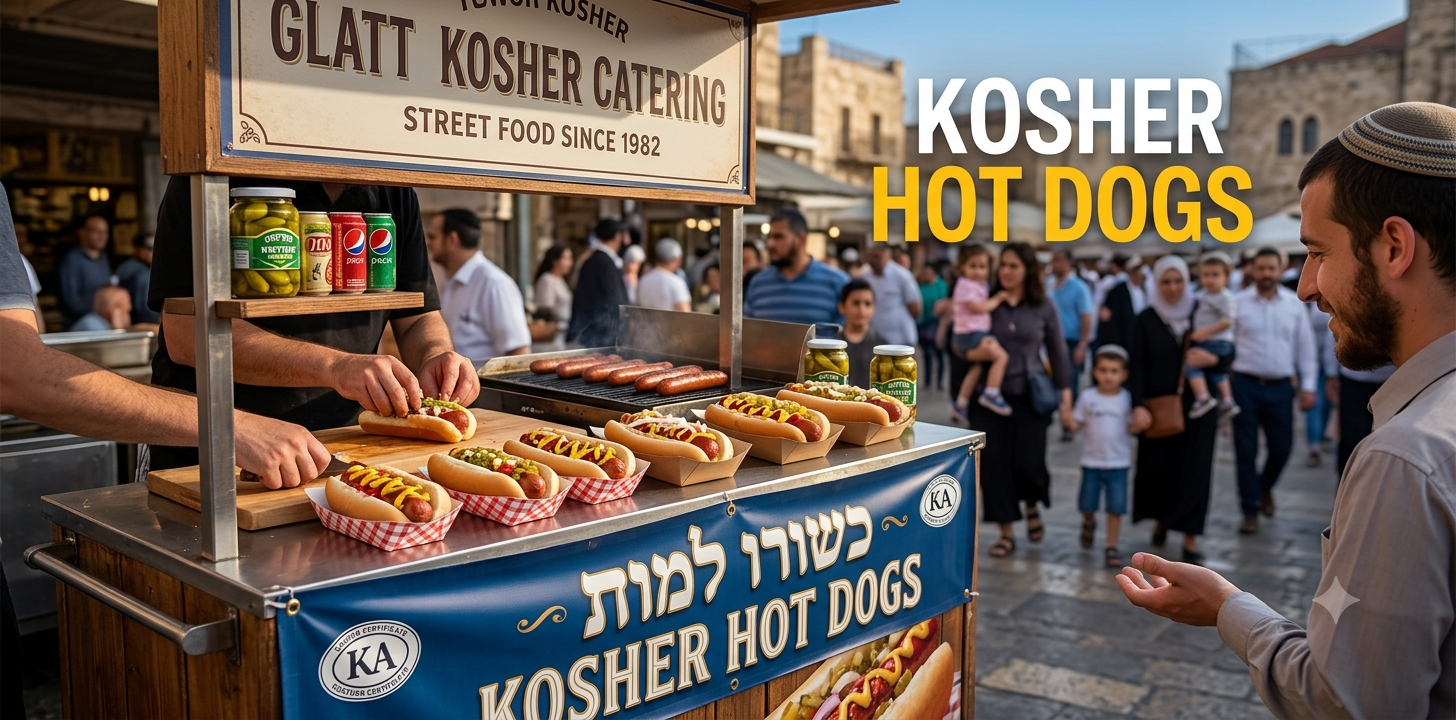
Hot dogs are one of the world’s most recognizable comfort foods, enjoyed at sporting events, street stands, backyard gatherings, and family meals. Among the many varieties available, kosher hot dogs hold a special place because they combine traditional Jewish dietary laws with the familiar taste and convenience of a classic American favorite. Made under strict kosher guidelines, these sausages focus on carefully selected ingredients, specific preparation methods, and religious standards that have shaped their identity for generations.
Kosher hot dogs are more than just a meal; they represent a connection between food, culture, history, and tradition. From their European sausage roots to their popularity in modern delis and supermarkets, kosher hot dogs have become a meaningful part of both Jewish cuisine and broader food culture.
What Are Kosher Hot Dogs?
Kosher hot dogs are sausages produced according to kashrut, the set of Jewish dietary laws that determine which foods are permitted and how they must be prepared. Unlike regular hot dogs, kosher versions must follow strict rules regarding ingredients, processing, and certification.
The most common kosher hot dogs are made from beef, although some may include other approved meats. Pork, which is traditionally used in many sausage products, is not permitted under kosher dietary laws.
Kosher hot dogs are typically:
- Made from kosher-certified meat
- Prepared with approved spices and ingredients
- Produced under rabbinical supervision
- Free from prohibited ingredients
- Processed using kosher equipment and methods
Many kosher hot dogs are also known for their rich flavor, firm texture, and high-quality meat content.
The History of Kosher Hot Dogs
The story of kosher hot dogs is closely connected to the long history of sausages in Europe. Sausages similar to modern hot dogs originated in Germany and Austria, where frankfurters and wieners became popular foods.
When Jewish immigrants arrived in the United States during the late 19th and early 20th centuries, they brought their culinary traditions with them. As hot dogs became a popular street food in American cities, kosher versions developed to meet the dietary needs of Jewish communities.
New York City played an important role in the growth of kosher hot dogs. Jewish delis, markets, and food stands helped introduce these sausages to a wider audience. Over time, kosher hot dogs became associated with traditional Jewish-American cuisine while also becoming available to customers from many different backgrounds.
Ingredients Used in Kosher Hot Dogs
The ingredients in kosher hot dogs are carefully selected to meet dietary requirements while maintaining flavor and quality.
1. Kosher Beef
Beef is the most common meat used in kosher hot dogs. The meat must come from animals that are permitted under Jewish law and prepared according to specific standards.
2. Seasonings and Spices
Kosher hot dogs often contain a blend of:
- Garlic
- Paprika
- Pepper
- Salt
- Other approved spices
These seasonings create the classic savory taste associated with traditional hot dogs.
3. Natural and Alternative Casings
Some kosher hot dogs use specially approved casings, while others are produced without traditional casings. Since certain types of natural casings may not meet kosher requirements, manufacturers often use alternative methods to achieve the desired texture.
4. Kosher Certification
A kosher certification symbol on packaging indicates that the product has been reviewed and approved according to kosher standards. These certifications help consumers identify products that meet their dietary needs.
How Kosher Hot Dogs Are Prepared
The preparation process for kosher hot dogs involves several careful steps to ensure quality and compliance with kosher laws.
Meat Selection
The process begins with selecting properly certified meat. The ingredients must meet kosher requirements before production begins.
Grinding and Mixing
The meat is ground and combined with seasonings, creating a smooth sausage mixture. Manufacturers carefully control ingredients to maintain consistency and flavor.
Cooking and Smoking
Many kosher hot dogs are cooked or smoked to develop their traditional taste. Smoking can add a deeper flavor while improving the overall eating experience.
Packaging
After preparation, kosher hot dogs are packaged with certification information so customers can easily identify approved products.
Taste and Texture of Kosher Hot Dogs
Kosher hot dogs are often recognized for their distinctive flavor and texture. Compared with many conventional hot dogs, they are frequently described as:
- More intensely seasoned
- Rich and savory
- Slightly firmer in texture
- Made with a stronger meat flavor
The absence of pork and the focus on beef create a unique taste that many people enjoy, whether they follow kosher dietary practices or simply appreciate quality sausages.
Popular Ways to Enjoy Kosher Hot Dogs
Kosher hot dogs can be served in many traditional and creative ways.
Classic Style
A simple kosher hot dog in a bun with mustard remains one of the most popular choices. Many people prefer spicy brown mustard, which pairs well with the beef flavor.
New York Style
New York-style kosher hot dogs are often served with:
- Mustard
- Sauerkraut
- Onions in a savory sauce
This style reflects the strong connection between kosher food traditions and New York street cuisine.
Family Meals and Barbecues
Kosher hot dogs are also popular for:
- Backyard grilling
- Picnics
- School lunches
- Holiday gatherings
- Casual family dinners
They are easy to prepare and appeal to both children and adults.
Kosher Hot Dogs and Cultural Tradition
Food often carries stories, memories, and cultural identity, and kosher hot dogs are a perfect example. They represent the blending of Jewish traditions with American food culture.
For many families, kosher hot dogs are connected with:
- Religious celebrations
- Community events
- Family recipes
- Childhood memories
- Traditional Jewish-American meals
They have become a symbol of how immigrant communities preserve their heritage while adapting to new environments.
Difference Between Kosher and Regular Hot Dogs
Although both types share similarities, there are important differences.
| Feature | Kosher Hot Dogs | Regular Hot Dogs |
|---|---|---|
| Meat | Usually kosher beef | Beef, pork, chicken, turkey, or blends |
| Preparation | Follows kosher laws | Standard food regulations |
| Certification | Requires kosher supervision | No religious certification |
| Flavor | Often stronger beef seasoning | Varies by brand and recipe |
| Cultural Connection | Linked to Jewish traditions | Broad global popularity |
Are Kosher Hot Dogs Healthier?
Kosher hot dogs are not automatically healthier than regular hot dogs. Like other processed meats, they should be eaten in moderation.
Factors to consider include:
- Sodium content
- Fat levels
- Portion size
- Overall diet balance
Choosing high-quality products with simple ingredients can be a better option for consumers who enjoy hot dogs regularly.
The Role of Kosher Hot Dogs in Modern Food Culture
Today, kosher hot dogs are enjoyed far beyond traditional Jewish communities. They are available in supermarkets, restaurants, delis, and specialty food stores across many regions.
Their popularity comes from a combination of:
- Traditional preparation
- Strong flavor
- Cultural importance
- Quality ingredients
- Connection to food heritage
Modern consumers often seek foods with authentic stories, and kosher hot dogs provide a unique combination of history and taste.
Conclusion
Kosher hot dogs are much more than a simple sausage in a bun. They represent a blend of tradition, craftsmanship, and cultural history. From their European origins to their role in Jewish-American cuisine, these hot dogs have maintained their importance while continuing to appeal to new generations of food lovers.
With carefully selected ingredients, traditional preparation methods, and a distinctive flavor profile, kosher hot dogs remain a meaningful and delicious part of global food culture. Whether enjoyed at a family gathering, a deli, or a casual meal, they continue to show how food can preserve history while bringing people together.
 molyatkinsan