

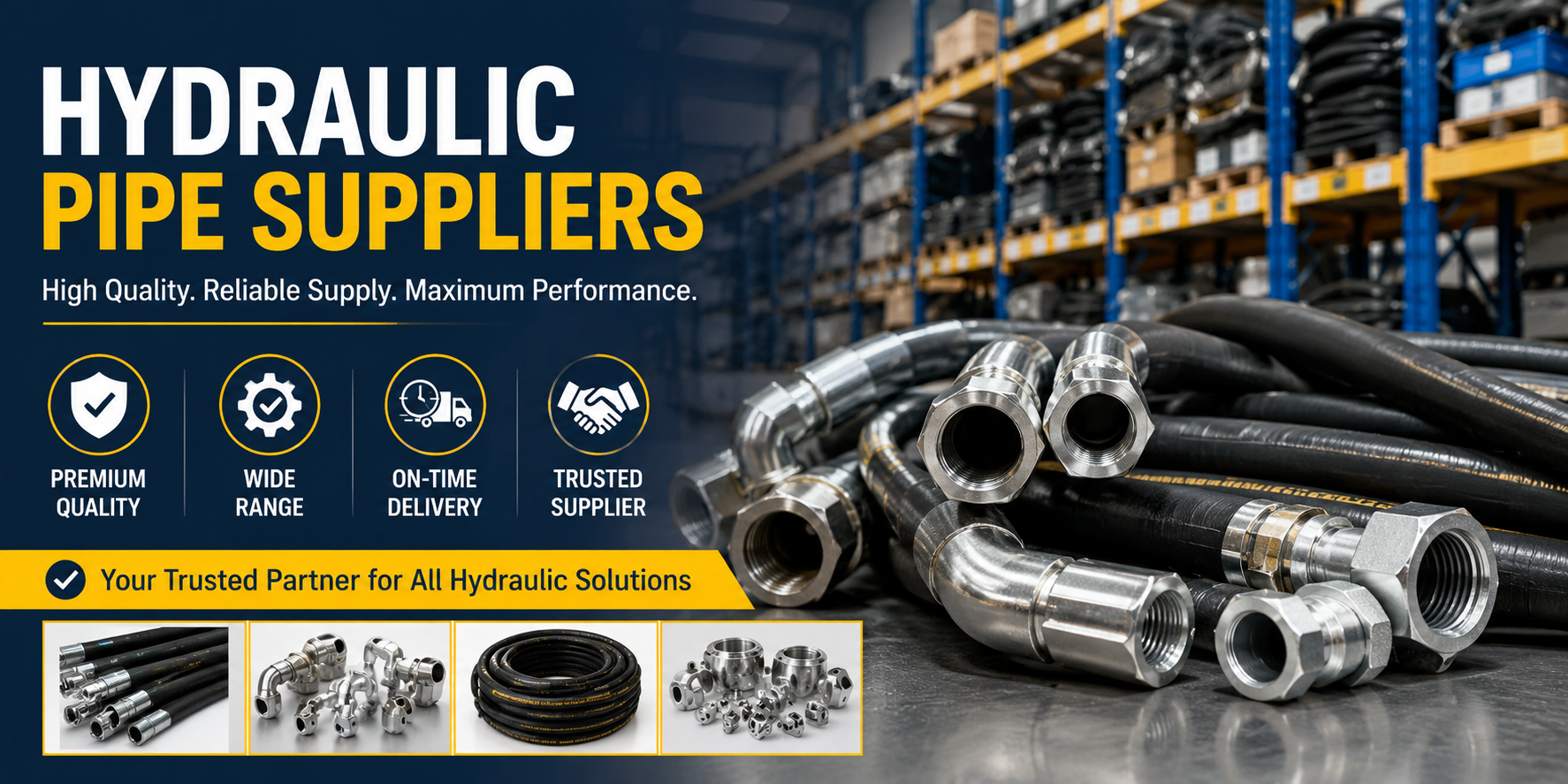
Hydraulic systems power some of the world’s most demanding equipment, from construction machinery and agricultural vehicles to manufacturing plants, mining operations, and industrial automation. At the heart of every reliable hydraulic system are high-quality pipes that safely transport pressurized fluid between pumps, valves, cylinders, and motors. Because these systems often operate under extreme pressure and harsh working conditions, selecting the right hydraulic pipe supplier is just as important as choosing the correct pipe itself.
A dependable hydraulic pipe supplier offers far more than products. They provide technical expertise, certified materials, consistent quality, and reliable delivery schedules that help businesses avoid costly downtime and equipment failures. Whether you’re purchasing standard hydraulic pipes or custom-engineered solutions, working with an experienced supplier ensures the products meet the required pressure ratings, material specifications, and industry standards for your application.
Hydraulic pipes are manufactured in various materials, including carbon steel, stainless steel, and alloy steel, with different wall thicknesses, diameters, coatings, and finishes designed to suit specific environments. Factors such as operating pressure, fluid compatibility, corrosion resistance, temperature, and installation conditions all influence which type of hydraulic pipe is best suited for a particular project. Choosing the wrong pipe can lead to leaks, reduced system efficiency, expensive repairs, and potential safety hazards.
Reliable suppliers understand these technical requirements and help customers select the most appropriate hydraulic piping solution. They also provide essential documentation, including mill certificates, material test reports, pressure ratings, and quality certifications, giving engineers and project managers confidence that every component meets strict manufacturing and safety standards.
In addition to product quality, businesses should evaluate a supplier’s inventory capacity, custom fabrication services, lead times, customer support, and after-sales assistance. Suppliers with extensive stock and efficient logistics can minimize project delays, while knowledgeable technical teams can recommend the right pipe sizes, wall thicknesses, and protective coatings for demanding operating conditions.
As industries continue to demand higher performance, greater efficiency, and improved reliability from hydraulic systems, partnering with a trusted hydraulic pipe supplier has become a key part of successful project planning. The right supplier not only delivers quality products but also contributes to safer operations, longer equipment life, reduced maintenance costs, and improved overall productivity.
This comprehensive guide explains everything you need to know about hydraulic pipe suppliers, including the different types of hydraulic pipes, essential quality standards, material options, industry applications, buying considerations, and expert tips for choosing a supplier that delivers reliable products and long-term value for your business.