

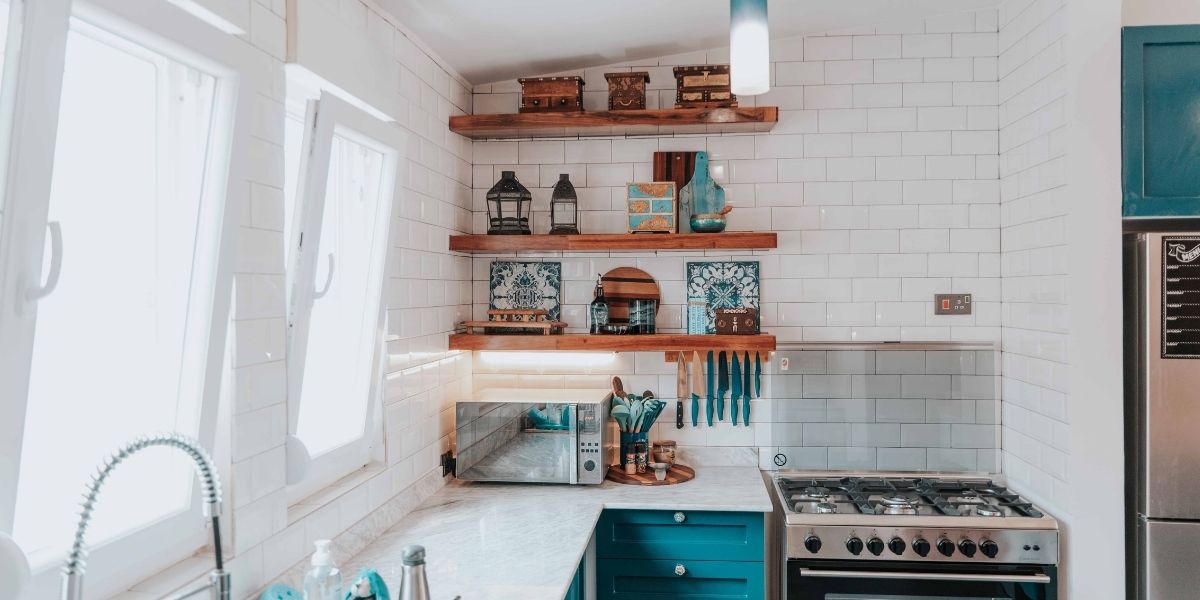
When you live in a small home, apartment, or room, finding enough storage can be a constant challenge. Floor space disappears quickly, and bulky furniture can make an already-small room feel even more crowded. One simple solution is to look upward and use your walls.
DIY shelving is an affordable and flexible way to create extra storage without taking up much floor space. From simple wooden shelves to corner storage and floating designs, there are plenty of options that can work in almost any room.
Here are some practical DIY shelving ideas for small spaces that are easy to customize and can add both storage and personality to your home.
1. Simple Floating Shelves
Floating shelves are one of the easiest ways to add storage without making a room feel heavy. Because the brackets are hidden or kept minimal, the shelves have a clean and modern appearance.
Install a few floating shelves above a desk, sofa, bed, or kitchen counter. They can hold books, small plants, framed photos, candles, or everyday essentials.
For a natural look, use unfinished or lightly stained wood. If you prefer a more modern style, paint the boards to match your walls.
2. Use Empty Corners
Corners are often overlooked in small rooms, but they can provide valuable storage space. A few triangular or L-shaped shelves can turn an unused corner into a useful storage area.
Corner shelves work especially well in bedrooms, bathrooms, kitchens, and home offices. You can use them for toiletries, spices, decorations, books, or small storage baskets.
The best part is that corner shelving usually takes up very little usable floor space.
3. DIY Shelves Above a Desk
If you have a small home office or study area, use the wall above your desk for storage instead of adding another cabinet.
Mount two or three narrow shelves above the desk and use them for books, notebooks, office supplies, and decorative items. Small boxes or baskets can help keep loose items organized.
Leaving some open space between objects will also keep the area from looking cluttered.
4. Build a Narrow Vertical Shelf
When floor space is limited, think vertically. A tall, narrow shelving unit can provide several levels of storage while taking up only a small amount of floor area.
You can make one from wooden boards and simple supports. Adjust the height and width according to the available space.
A narrow vertical shelf is particularly useful beside a refrigerator, wardrobe, desk, or doorway where a wider piece of furniture may not fit.
5. Add Shelves Above the Door
The wall space above a door is often completely unused. If you need additional storage, consider installing a shelf above the door frame.
This location is ideal for items you don’t use every day, such as extra towels, books, seasonal decorations, or storage boxes.
Because the shelf is higher up, make sure it is securely attached and avoid storing anything extremely heavy there.
6. Try Pegboard Shelving
A pegboard gives you more flexibility than traditional fixed shelves. You can attach small shelves, hooks, containers, and other accessories to create a storage system that changes as your needs change.
A DIY pegboard shelf can work well in a kitchen, craft room, office, garage, or bedroom.
Paint the board a color that complements the room, then add wooden shelves for a simple combination of open storage and display space.
7. Make a Shelf With Wooden Crates
Old wooden crates can be turned into inexpensive shelving with very little work. You can mount individual crates directly to the wall or stack several together to create a larger storage unit.
Use them to store books, shoes, toys, plants, or folded accessories.
Before using old crates, check that the wood is sturdy and sand away rough edges or splinters. You can leave the wood natural for a rustic appearance or paint it for a cleaner look.
8. Install Shelves Around a Doorway
If you have an unused section of wall around a doorway, consider creating a simple built-in-style shelving arrangement.
Narrow shelves can be installed vertically along one or both sides of the door, with additional shelves above it. This creates useful storage without taking up much room.
This idea is especially helpful for books, small decorative objects, baskets, and other lightweight items.
9. Use a Picture Ledge for Small Items
Picture ledges aren’t only for displaying artwork. They can also provide convenient storage in small rooms.
Install a few narrow ledges in a bedroom or living room and use them to display small books, photographs, plants, or decorative pieces.
Because picture ledges are shallow, they are a good option for areas where a traditional deep shelf would stick out too far.
10. Create a DIY Kitchen Shelf
Small kitchens can quickly become crowded with dishes, jars, spices, and cooking equipment. An open wooden shelf can provide extra storage without requiring another cabinet.
Install a narrow shelf on an empty wall and use small containers or baskets to organize your supplies.
You can also add hooks underneath the shelf for mugs, utensils, or kitchen towels. Just make sure the wall anchors and shelf supports are appropriate for the weight you plan to store.
11. Make an Under-Stair Shelf
If your home has stairs, the space underneath them may offer an opportunity for extra storage.
Depending on the layout, you can add simple shelves underneath the stairs for books, baskets, shoes, or decorative items. Even a small section of shelving can make an otherwise awkward area more useful.
For a permanent built-in project, carefully plan the design before cutting or attaching anything to the structure.
12. Try Rope-Hanging Shelves
Rope shelves are an easy DIY project that can add a relaxed, rustic feel to a room. A wooden board is suspended from strong rope attached to secure points.
They can be used for lightweight decorations, small plants, books, or bathroom accessories.
Because hanging shelves can move, they are generally better for lighter items rather than heavy storage.
13. Turn an Old Board Into a Rustic Shelf
You don’t always need expensive materials to build a useful shelf. An old wooden board can become a simple wall shelf after sanding, cleaning, and adding suitable brackets.
This is a great way to reuse leftover wood from another project.
You can stain the board, paint it, or simply seal it to preserve its natural appearance. Add simple metal brackets for an attractive combination of wood and metal.
14. Add Shelves Inside a Closet
Small closets often have unused vertical space. Instead of adding another bulky piece of furniture, consider installing additional shelves inside the closet.
Adjustable shelves can make it easier to organize clothing, shoes, bags, folded towels, and storage boxes.
This approach keeps belongings behind closed doors while making better use of the available space.
15. Build a Bedside Shelf
If there isn’t enough room for a traditional nightstand, a small wall-mounted shelf can take its place.
Install a compact shelf beside the bed for your phone, glasses, alarm clock, books, or a small lamp. This keeps essential items within reach without using valuable floor space.
A narrow shelf is often all you need.
Tips for Building DIY Shelves in Small Spaces
Before starting your project, think about what you actually want to store. A shelf for books needs to be stronger than one intended for lightweight decorations.
Keep these tips in mind:
- Measure the wall first. Make sure the shelf fits comfortably without blocking doors, windows, or walkways.
- Choose the right material. Solid wood, plywood, bamboo, and other suitable materials can work depending on the project and expected load.
- Use appropriate wall anchors. The correct fasteners depend on whether you are mounting into drywall, studs, masonry, or another surface.
- Don’t overload shelves. Check that the shelf, brackets, and wall attachment can safely support the intended weight.
- Sand wooden edges. Smooth rough surfaces before installing or using the shelf.
- Keep frequently used items accessible. Put everyday essentials at a comfortable height.
- Use baskets and boxes. They make open shelving look tidier and help group small items.
- Think vertically. Tall and narrow shelving can provide plenty of storage while using very little floor space.
How to Make Small Shelves Look Less Cluttered
Shelves can add storage, but too many objects can make a small room feel crowded. Try mixing practical storage with a few decorative pieces.
For example, place books beside a small plant, candle, framed photograph, or decorative object. Use matching baskets or containers for smaller items that could otherwise create visual clutter.
You can also leave some areas of the shelf empty. A little open space can make the entire arrangement feel cleaner and more organized.
Final Thoughts
The best DIY shelving ideas for small spaces don’t have to be complicated or expensive. A few carefully placed shelves can turn unused walls, corners, and awkward spaces into useful storage areas.
Floating shelves, corner shelves, crate shelves, pegboards, narrow vertical units, and small bedside shelves are all practical options. The key is to choose a design that fits your available space and the type of items you need to store.
With a little measuring, basic materials, and secure installation, you can create shelving that keeps your home organized while adding a personal touch to the room.
 molyatkinsan