

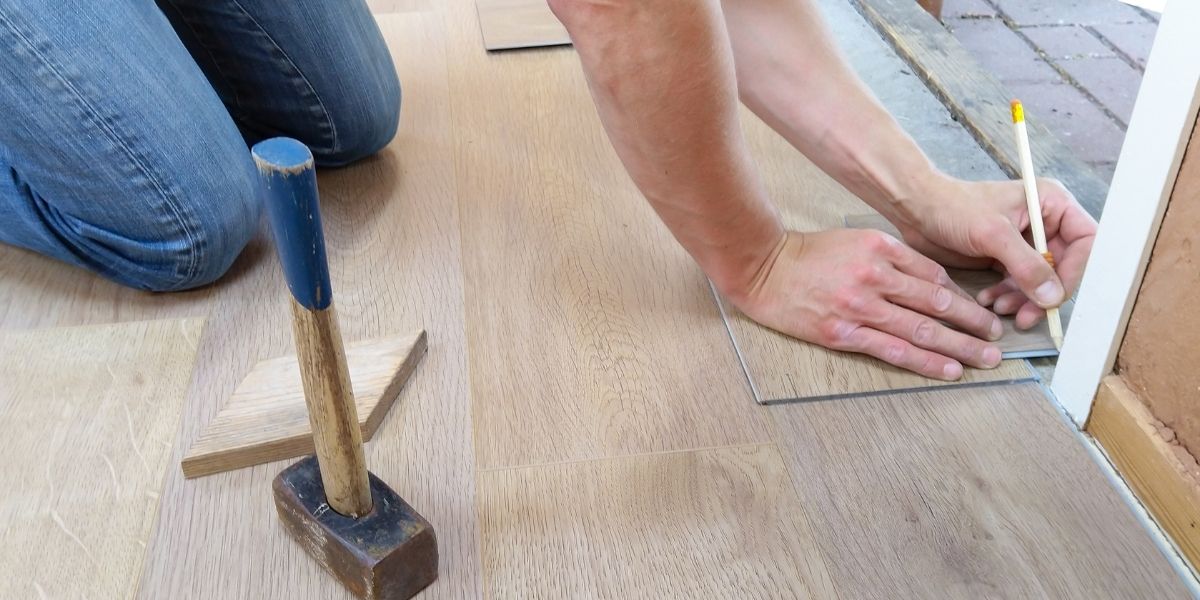
Giving your floors a fresh look can completely change the feel of a room. The good news is that you don’t always need to hire professionals or spend a fortune on new flooring. With a few simple materials, some patience, and a little creativity, you can give tired floors a beautiful makeover yourself.
Whether your flooring is scratched, outdated, or simply boring, these DIY flooring makeover ideas can help you create a cleaner and more modern look without a major renovation.
1. Paint Old Wooden Floors
Painting is one of the easiest ways to transform an old wooden floor. Instead of replacing worn boards, clean and prepare the surface before applying a suitable floor paint.
You can choose a simple white or neutral color for a bright appearance, or use darker shades for a cozy feel. If you’re feeling creative, consider painting a checkerboard pattern or simple geometric design.
Make sure you use paint specifically designed for floors so it can handle regular foot traffic.
2. Try a Peel-and-Stick Flooring Makeover
Peel-and-stick vinyl tiles are a convenient option for renters and homeowners looking for a quick transformation. They come in many designs, including wood, stone, marble, and decorative patterns.
The installation process is relatively simple. Clean the existing floor, allow it to dry completely, measure the area, and carefully apply the tiles.
This option works particularly well in smaller spaces such as laundry rooms, entryways, and bathrooms, provided the existing surface is suitable and properly prepared.
3. Refresh Your Floor With Vinyl Planks
Luxury vinyl planks can give your room the appearance of real hardwood without the same cost or maintenance requirements. Many modern vinyl products are designed with realistic wood textures and colors.
Depending on the product, some planks use a click-lock system, making them easier for DIY installation. Before starting, check the manufacturer’s instructions and make sure your subfloor is clean, dry, and reasonably level.
4. Create a Simple Painted Pattern
If you want something more unique, use paint to create a pattern on your existing floor.
Stripes, diamonds, checkerboards, and geometric shapes can add personality to an otherwise plain room. Painter’s tape can help you create clean lines.
For the best result, plan the pattern carefully before painting. Use a measuring tape and pencil to mark the layout, and allow each section to dry properly before applying another color.
5. Give Hardwood Floors a Fresh Finish
Sometimes your floor doesn’t need to be replaced—it simply needs a little attention.
If your hardwood floor looks dull or scratched, cleaning it thoroughly and applying an appropriate finish may make a noticeable difference. Light surface scratches can sometimes be improved with products designed for the specific type of wood finish.
For heavily damaged floors, sanding and refinishing can provide a more dramatic transformation, although this project requires more tools, preparation, and experience.
6. Use Large Area Rugs for an Instant Change
Not every flooring makeover requires changing the floor itself. A large area rug can cover unattractive flooring while adding warmth, color, and texture to the room.
Choose a rug that complements your furniture and wall colors. In living rooms, position the rug so at least the front legs of major furniture pieces sit on it. For bedrooms, a larger rug placed beneath the bed can make the space feel more comfortable.
This is also one of the easiest options if you don’t want to commit to permanent changes.
7. Update the Floor Around the Edges
Small details can make a flooring makeover look much more polished. Consider refreshing old baseboards, trim, or transition pieces around the room.
A fresh coat of paint on the baseboards can make clean flooring stand out. You can also replace damaged transition strips between rooms for a more finished appearance.
These small improvements often cost much less than replacing an entire floor.
8. Consider a DIY Stenciled Floor
A stencil can turn a plain floor into a decorative feature. This technique works especially well on prepared concrete or suitable painted surfaces.
Choose a simple stencil pattern and secure it firmly to prevent paint from spreading underneath. Apply a small amount of floor paint using a stencil brush or roller.
Work slowly and let the paint dry according to the manufacturer’s instructions. Once finished, a suitable protective coating may help improve durability.
9. Make Concrete Floors Look Modern
Plain concrete doesn’t have to look unfinished. With proper preparation, you can paint or stain a concrete floor to create a more attractive surface.
Neutral gray, warm beige, and earthy shades can give concrete a modern appearance. This approach can work well in basements, garages, utility rooms, and other areas where concrete flooring is common.
Before applying any coating, check whether the product is appropriate for your specific concrete surface and whether moisture needs to be addressed first.
10. Try a Budget-Friendly Flooring Accent
If replacing the entire floor is outside your budget, focus on a smaller area. For example, you could create a decorative flooring section near an entryway or dining area.
Using a different pattern or material in a small space can make it feel intentional rather than unfinished. This approach also allows you to experiment without committing to a large project.
How to Choose the Right DIY Flooring Project
The best project depends on your existing floor, budget, available tools, and how much time you want to spend.
Before buying materials, consider:
- Condition: Is the existing floor structurally sound?
- Room: Kitchens and bathrooms may require moisture-resistant materials.
- Traffic: High-traffic areas need durable finishes.
- Budget: Calculate materials, tools, and any preparation costs.
- Skill level: Start with a simple project if you’re new to DIY work.
- Maintenance: Choose a finish or material that fits your cleaning routine.
Tips for a Successful Flooring Makeover
Preparation is often more important than the actual installation. Start by thoroughly cleaning the floor and repairing obvious problems. Follow the manufacturer’s instructions for adhesives, paints, finishes, and flooring materials.
Measure your room carefully before purchasing supplies, and consider buying a little extra material to account for mistakes or future repairs.
It’s also important to protect yourself while working. Wear appropriate footwear, gloves, and eye protection when needed, and make sure the room has adequate ventilation when using products that produce strong fumes.
Final Thoughts
A flooring makeover can make an ordinary room feel completely different without requiring a full home renovation. From painting old wood floors and installing vinyl planks to adding a large rug or creating a simple stencil design, there are plenty of ways to refresh your space.
The key is to choose a project that matches your floor’s condition, your budget, and your DIY experience. Start with good preparation, take your time, and focus on creating a finish that you’ll enjoy for years to come.