

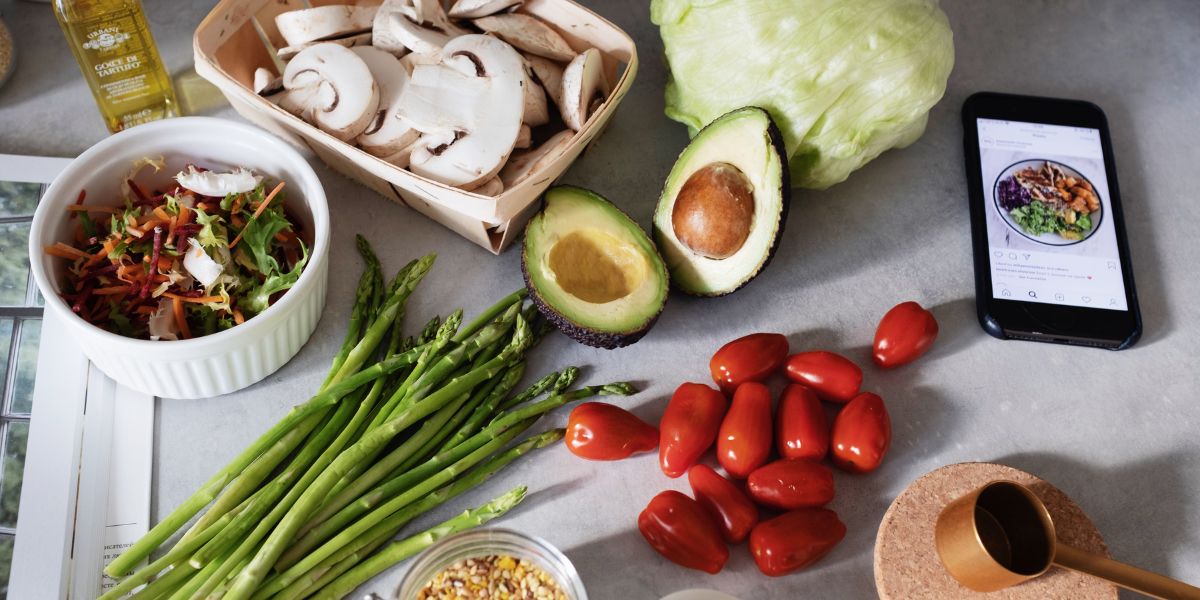
Healthy skin is not only about the products you apply to your face. What you eat can also play an important role in supporting your skin from the inside. A balanced diet rich in vitamins, minerals, healthy fats, antioxidants, protein, and water can help maintain normal skin structure and overall skin health.
If you want a natural approach to healthier-looking skin, adding more nutrient-rich foods to your daily meals is a simple place to start. From colorful fruits and vegetables to nuts, seeds, fish, and whole grains, many everyday foods provide nutrients that your skin needs.
Why Does Food Matter for Skin Health?
Your skin needs a regular supply of nutrients to maintain its normal barrier and repair processes. Nutrients such as vitamin C, vitamin E, vitamin A, zinc, selenium, protein, and omega-3 fats support different aspects of skin health.
A healthy diet may also help protect cells from oxidative stress. However, no single food can magically clear acne, remove wrinkles, or transform your skin overnight. Consistently eating a varied and balanced diet is more beneficial than relying on one “superfood.”
1. Avocados for Healthy Fats
Avocados are rich in monounsaturated fats and also provide vitamin E and other nutrients. Healthy fats are important for normal skin function and can be part of a balanced diet.
Try adding avocado to:
- Whole-grain toast
- Salads
- Sandwiches
- Smoothies
- Homemade dips
For a simple meal, combine avocado with tomatoes and whole-grain toast for a nutritious breakfast or snack.
2. Fatty Fish for Omega-3 Fatty Acids
Salmon, sardines, mackerel, and other oily fish are excellent sources of omega-3 fatty acids. These healthy fats are important components of cell membranes and support normal body functions.
Fatty fish also provides high-quality protein and several vitamins and minerals.
Aim to include fish as part of a balanced diet, particularly varieties that are lower in mercury.
3. Oranges and Citrus Fruits for Vitamin C
Oranges, lemons, grapefruit, and other citrus fruits are well known for their vitamin C content. Vitamin C is needed for normal collagen formation, which helps maintain the structure of skin.
Other vitamin C-rich foods include:
- Guava
- Kiwi
- Strawberries
- Bell peppers
- Broccoli
Instead of relying only on supplements, getting vitamin C from a variety of fruits and vegetables can be an easy way to improve your overall diet.
4. Carrots for Beta-Carotene
Carrots contain beta-carotene, a plant pigment that the body can convert into vitamin A. Vitamin A is important for maintaining normal skin and other tissues.
You can enjoy carrots raw, roasted, steamed, or added to soups and salads.
Other foods containing beta-carotene include sweet potatoes, pumpkin, spinach, and other colorful vegetables.
5. Sweet Potatoes for Skin-Supporting Nutrients
Sweet potatoes are another excellent source of beta-carotene. They are also a source of fiber and several vitamins and minerals.
For a healthy meal, try baked sweet potatoes with beans, vegetables, or a source of lean protein.
6. Nuts and Seeds for Vitamin E and Healthy Fats
Almonds, sunflower seeds, walnuts, and other nuts and seeds can provide vitamin E, healthy fats, protein, and minerals.
Vitamin E acts as an antioxidant in the body. Nuts and seeds can be particularly convenient as a snack, but portion sizes matter because they are calorie-dense.
Try adding a small handful to:
- Oatmeal
- Yogurt
- Salads
- Smoothies
- Homemade trail mix
7. Spinach and Leafy Greens
Spinach, kale, and other leafy green vegetables contain a combination of vitamins, minerals, carotenoids, and antioxidants.
Eating a variety of vegetables rather than focusing on only one can help you get a wider range of nutrients.
Add leafy greens to omelets, soups, salads, curries, or smoothies for an easy nutritional boost.
8. Tomatoes for Antioxidants
Tomatoes contain lycopene, a naturally occurring carotenoid with antioxidant properties. They also provide vitamin C and other nutrients.
Fresh tomatoes can be added to salads and sandwiches, while cooked tomatoes can be used in soups, sauces, and vegetable dishes.
Eating tomatoes with a source of healthy fat may help the body absorb certain fat-soluble compounds.
9. Berries for Antioxidants
Strawberries, blueberries, raspberries, and blackberries are packed with colorful plant compounds and provide vitamin C and fiber.
Their antioxidant content makes berries a nutritious addition to a skin-friendly diet.
Enjoy them with plain yogurt, oatmeal, or as a simple snack.
10. Eggs for Protein and Nutrients
Protein is important for maintaining and repairing body tissues, including skin. Eggs provide high-quality protein along with several vitamins and minerals.
A boiled or scrambled egg can make a simple addition to breakfast or lunch.
If you do not eat eggs, other protein sources include beans, lentils, dairy products, fish, poultry, tofu, and nuts.
11. Beans and Lentils for Zinc and Protein
Beans, lentils, chickpeas, and other legumes provide plant-based protein, fiber, and minerals such as zinc.
Zinc plays several important roles in the body, including supporting normal immune function and wound healing.
Try adding lentils or chickpeas to soups, salads, curries, or grain bowls.
12. Green Tea for Plant Compounds
Green tea contains naturally occurring polyphenols, including catechins. These compounds have antioxidant properties and have been studied for their potential effects on skin health.
Enjoying unsweetened green tea can be a healthy alternative to sugary beverages.
However, drinking green tea should complement a balanced diet rather than replace nutritious foods.
13. Oats for a Balanced Diet
Oats provide complex carbohydrates, fiber, vitamins, minerals, and plant compounds. They can make a filling breakfast when combined with fruits, seeds, and yogurt.
Try a bowl of oatmeal topped with berries and a small amount of nuts for a nutrient-rich breakfast.
14. Water-Rich Fruits and Vegetables
Hydration is essential for overall health, and drinking enough fluids helps your body function normally. Foods with high water content can also contribute to your daily fluid intake.
Good options include:
- Watermelon
- Cucumber
- Oranges
- Strawberries
- Melons
- Lettuce
Remember that water should remain your primary beverage for staying hydrated.
15. Dark Chocolate in Moderation
Dark chocolate containing a higher percentage of cocoa provides flavanols and other plant compounds. However, chocolate can also contain considerable amounts of sugar and calories.
If you enjoy dark chocolate, choose a small portion and treat it as an occasional part of an overall balanced diet rather than a skin treatment.
Nutrients Your Skin Needs
Rather than concentrating on individual foods, it can be helpful to understand the nutrients associated with normal skin health.
Vitamin C
Vitamin C contributes to normal collagen formation and is found in foods such as citrus fruits, guava, kiwi, strawberries, bell peppers, and broccoli.
Vitamin E
Vitamin E has antioxidant functions and can be found in foods such as almonds, sunflower seeds, avocados, and vegetable oils.
Vitamin A
Vitamin A is important for normal skin maintenance. Foods containing beta-carotene include carrots, sweet potatoes, pumpkin, and leafy green vegetables.
Zinc
Zinc supports normal immune function and wound healing. Sources include meat, seafood, dairy products, beans, lentils, nuts, and seeds.
Omega-3 Fatty Acids
Omega-3 fats are found particularly in fatty fish such as salmon and sardines. Plant sources include walnuts, chia seeds, and flaxseeds, which provide alpha-linolenic acid.
Protein
Protein provides amino acids that the body uses to build and maintain tissues. Eggs, fish, poultry, dairy products, beans, lentils, tofu, and nuts are useful sources.
Simple One-Day Skin-Friendly Meal Plan
You do not need an expensive diet to support healthy skin. A simple day of balanced meals might look like this:
Breakfast: Oatmeal topped with strawberries, chia seeds, and plain yogurt.
Morning snack: An orange and a small handful of almonds.
Lunch: Chickpea and vegetable salad with avocado and whole-grain bread.
Afternoon snack: A piece of fruit or plain yogurt with berries.
Dinner: Grilled salmon with sweet potato and steamed spinach.
Drinks: Water throughout the day, with unsweetened tea if desired.
This is only an example. Your nutritional needs can vary based on your age, activity level, health, dietary preferences, and other factors.
Foods to Limit for Better Overall Health
There is no need to completely eliminate specific foods to have healthy skin. However, eating large amounts of highly processed foods, sugary drinks, and foods high in added sugars may make it harder to maintain an overall balanced diet.
Instead of following extreme restrictions, focus on adding more nutritious foods to your meals.
A useful approach is to:
- Eat several servings of vegetables and fruits each day
- Choose whole grains more often
- Include a source of protein with meals
- Choose healthy sources of fat
- Drink enough water
- Limit excessive added sugar
- Keep highly processed foods as occasional choices
Can Food Make Your Skin Glow Naturally?
A nutritious diet can support normal skin health, but “glowing skin” is not the result of one particular food. Skin appearance is influenced by many factors, including genetics, age, sleep, sun exposure, hydration, skincare habits, stress, and overall health.
Eating a colorful, varied diet gives your body the nutrients it needs to function properly. Over time, healthy eating habits can contribute to healthier-looking skin as part of a broader lifestyle.
Natural Foods vs. Skin Care Products
Eating nutritious foods and using suitable skincare products serve different purposes. Foods provide nutrients throughout the body, while skincare products are applied directly to the skin.
The word “natural” also does not automatically mean that a product is safer or more effective. Some natural ingredients can cause irritation or allergic reactions, especially in sensitive individuals.
If you have a persistent skin condition such as severe acne, eczema, unexplained rashes, or significant pigmentation changes, it is better to speak with a qualified healthcare professional or dermatologist rather than relying only on dietary changes.
Final Thoughts
The best foods for healthy-looking skin are not necessarily expensive or exotic. Everyday foods such as avocados, fatty fish, berries, citrus fruits, carrots, leafy greens, eggs, beans, nuts, seeds, and whole grains can provide important nutrients that support your body and skin.
Instead of searching for one miracle food, build a balanced diet around a variety of colorful fruits and vegetables, quality protein, healthy fats, whole grains, and adequate fluids. Combined with good sleep, sun protection, regular physical activity, and a consistent skincare routine, these habits can help support healthy skin naturally.
READ MORE: Best Vitamins From Natural Foods: A Simple Guide to Getting Essential Nutrients Naturally.