

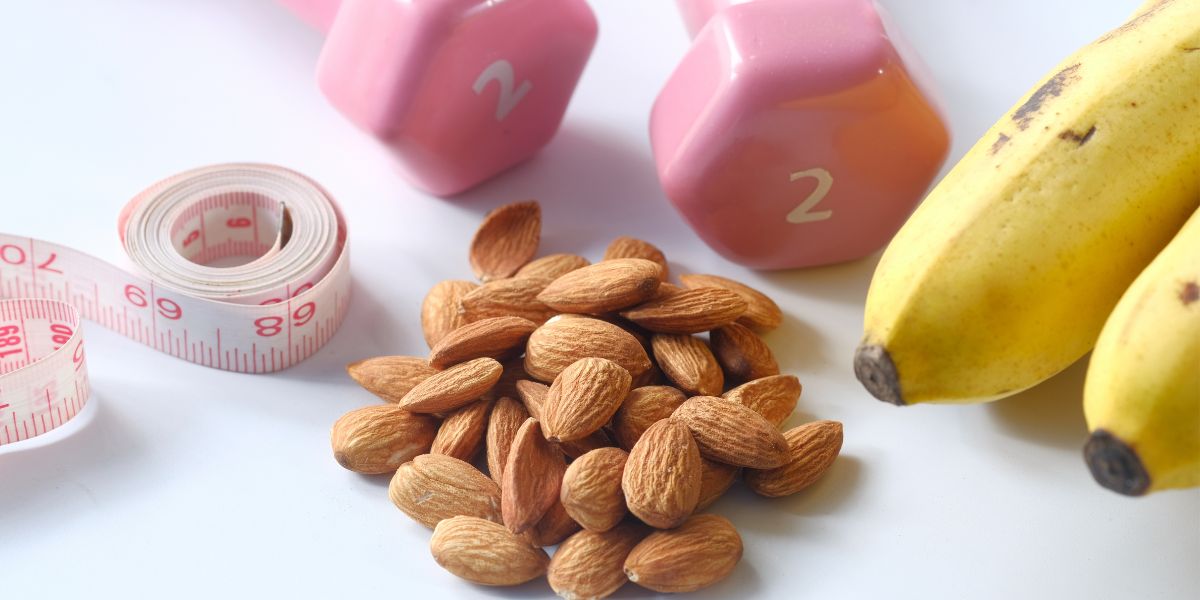
Losing weight does not always have to mean spending hours at the gym. While physical activity is an important part of a healthy lifestyle, everyday food choices and simple habits can also support healthy weight management. By making small, sustainable changes to what and how you eat, you may be able to reduce your calorie intake without following an extreme diet.
The goal should not be rapid weight loss. Instead, focus on nutritious foods, reasonable portions, good sleep, hydration, and habits that you can maintain over time.
1. Focus on Whole, Natural Foods
One of the simplest ways to support weight loss is to make whole foods the foundation of your meals. Vegetables, fruits, beans, lentils, whole grains, eggs, fish, lean meats, nuts, and seeds can provide important nutrients while helping you build satisfying meals.
Try replacing highly processed foods with more natural alternatives. For example, choose fresh fruit instead of sugary snacks or plain yogurt with fruit instead of a heavily sweetened dessert.
2. Eat More Protein
Protein can help you feel full and satisfied after meals. Including a source of protein at breakfast, lunch, and dinner may make it easier to avoid unnecessary snacking.
Natural protein-rich foods include:
- Eggs
- Chicken
- Fish
- Lentils
- Beans
- Greek yogurt
- Cottage cheese
- Tofu
- Nuts and seeds
A balanced meal containing protein, vegetables, and a source of whole-grain carbohydrates can be both nutritious and filling.
3. Add More Fiber to Your Meals
Fiber-rich foods can help you feel full for longer. Vegetables, fruits, beans, lentils, oats, and whole grains are good natural sources.
Instead of dramatically cutting out carbohydrates, consider choosing higher-fiber options. For example, oatmeal, brown rice, whole-grain bread, and beans can be part of a balanced weight-management diet.
4. Drink More Water
Sometimes thirst can be confused with hunger. Drinking water regularly can help you stay hydrated and may make it easier to avoid unnecessary calorie-containing drinks.
Try making water your main beverage throughout the day. You can also add lemon, cucumber, mint, or a few pieces of fruit for flavor without relying on sugary drinks.
5. Reduce Sugary Drinks
Soft drinks, sweetened juices, energy drinks, and heavily sweetened teas can add significant calories without making you feel as full as solid food.
Replacing these beverages with water, unsweetened tea, or other low-calorie options can be a simple change that supports overall calorie control.
6. Practice Portion Control
Healthy food can still contribute to weight gain when eaten in very large portions. You do not necessarily need to eliminate your favorite foods; instead, pay attention to how much you eat.
Try serving meals on a slightly smaller plate, eating slowly, and checking whether you are still hungry before taking another serving.
7. Eat Slowly and Mindfully
Eating quickly can make it harder to notice when you are becoming full. Slow down and pay attention to the taste, texture, and smell of your food.
Avoid eating directly from large packages whenever possible. Put a reasonable portion on a plate or bowl and eat without distractions when you can.
8. Choose Healthy Snacks
If you regularly feel hungry between meals, keep nutritious snacks available. Good choices include fruit, yogurt, boiled eggs, vegetables with hummus, or a small portion of nuts.
Planning snacks ahead of time can also reduce the temptation to choose highly processed foods when hunger suddenly appears.
9. Get Enough Sleep
Sleep is an important part of healthy weight management. Poor sleep can affect appetite, food choices, energy levels, and daily routines.
Aim for a consistent sleep schedule and create a relaxing bedtime routine. Keeping your bedroom comfortable and limiting stimulating activities before bed may also help support better sleep.
10. Limit Highly Processed Foods
You do not have to completely eliminate processed foods, but eating fewer foods that are high in added sugar, unhealthy fats, and excess sodium can make a healthy eating pattern easier to maintain.
Build most meals around vegetables, fruits, protein-rich foods, whole grains, and other minimally processed ingredients.
11. Avoid Extreme Diets
Very restrictive diets may promise fast results, but they can be difficult to maintain and may leave you missing important nutrients. Sustainable weight management generally comes from habits that you can continue for months and years.
Rather than skipping meals or drastically cutting calories, focus on balanced portions and nutritious foods.
12. Keep Track of What You Eat
A simple food diary can help you understand your eating patterns. You might record meals, snacks, drinks, and approximate portions for a few days.
This can reveal habits you may not notice otherwise, such as frequent snacking, sugary beverages, or large evening meals.
13. Make Small Changes
You do not need to change everything at once. Start with one or two realistic habits.
For example, you could:
- Drink water instead of sugary drinks.
- Add vegetables to lunch and dinner.
- Eat a protein-rich breakfast.
- Replace refined grains with whole grains.
- Reduce oversized portions.
- Keep healthy snacks available.
- Establish a consistent sleep schedule.
Small changes can become easier to maintain when they are introduced gradually.
Can You Lose Weight Without Exercise?
Yes, weight loss can occur without formal exercise when your overall calorie intake is lower than the energy your body uses. However, this does not mean exercise is unnecessary for health. Physical activity offers benefits for cardiovascular health, strength, mobility, mood, and overall fitness.
If you currently cannot exercise because of an injury, medical condition, pregnancy, or another limitation, focusing on nutritious eating and speaking with a healthcare professional can help you choose an appropriate approach.
What About Natural Weight Loss Supplements?
Be cautious with products that promise rapid or effortless weight loss. “Natural” does not automatically mean safe or effective. Many supplements marketed for weight loss have limited evidence behind them, and some may interact with medications or cause unwanted effects.
A healthy eating pattern and sustainable lifestyle habits are generally a better foundation than relying on slimming pills, detox products, or herbal supplements.
A Simple Natural Weight Loss Day
A simple day of balanced eating might look like this:
Breakfast: Oatmeal topped with berries and a serving of yogurt.
Lunch: Grilled chicken or lentils with a large vegetable salad and whole-grain bread.
Snack: An apple with a small handful of nuts.
Dinner: Fish, beans, or tofu with cooked vegetables and brown rice.
Drinks: Mostly water or unsweetened beverages.
The exact foods and portions should depend on your individual nutritional needs, preferences, and health goals.
Final Thoughts
Natural weight loss does not require extreme diets or spending hours exercising. Simple habits such as eating more whole foods, increasing protein and fiber, drinking water, controlling portions, limiting sugary drinks, sleeping well, and paying attention to hunger can support healthier weight management.
The most effective approach is one you can maintain consistently. Instead of looking for a quick fix, build a balanced eating routine that supports your health and fits naturally into your everyday life.
If you are experiencing unexplained weight loss rather than intentionally trying to lose weight, speak with a healthcare professional. Unexpected or ongoing weight loss can sometimes be a sign of an underlying health problem.
READ MORE: Healthy Habits to Start in Your 30s Naturally.