

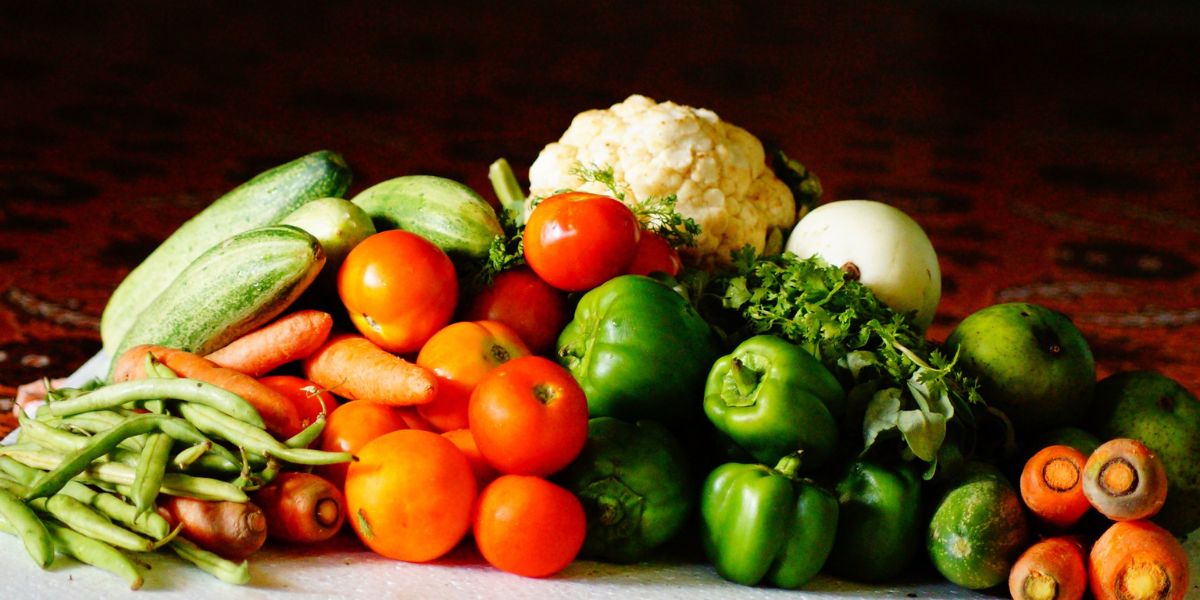
A strong immune system helps your body protect itself from everyday challenges and stay healthy. While no single food can prevent illness, eating a balanced diet rich in vitamins, minerals, antioxidants, and natural nutrients can support your immune defenses. Choosing fresh, whole foods is a simple and natural way to provide your body with the nutrients it needs.
In this guide, we will explore the best natural foods for immune health and how they can become part of a healthy daily lifestyle.
Why Nutrition Matters for Immune Health
Your immune system depends on many nutrients to work properly. Vitamins such as vitamin C, vitamin A, and vitamin E, along with minerals like zinc and selenium, play important roles in supporting immune cells. A diet filled with colorful fruits, vegetables, healthy proteins, and beneficial fats can help maintain overall wellness.
Foods rich in antioxidants can also help protect cells from oxidative stress, while fiber-rich foods support a healthy gut, which is closely connected to immune function.
1. Citrus Fruits for Vitamin C Support
Citrus fruits like oranges, lemons, grapefruits, and mandarins are well-known sources of vitamin C. This important nutrient supports normal immune system function and helps the body produce collagen for healthy skin.
Adding citrus fruits to your meals or enjoying fresh fruit as a snack is an easy way to increase your intake of immune-supporting nutrients.
2. Garlic for Natural Immune Support
Garlic has been used for centuries as a natural ingredient for health and wellness. It contains sulfur compounds that may support the body’s natural defense system.
Adding fresh garlic to soups, vegetables, and homemade meals can improve flavor while providing beneficial plant compounds.
3. Ginger for Wellness and Antioxidants
Ginger is a natural spice that contains antioxidants and plant compounds. It is commonly used in teas, smoothies, and meals.
A warm cup of ginger tea can be a comforting addition to a healthy routine, especially during colder months.
4. Leafy Green Vegetables
Green vegetables such as spinach, kale, and broccoli provide essential nutrients, including vitamins, minerals, and antioxidants.
These vegetables can support overall health by providing fiber and important plant nutrients. Eating a variety of vegetables helps ensure your body receives different protective compounds.
5. Yogurt and Probiotic Foods
The gut plays an important role in immune health. Foods containing probiotics, such as yogurt with live cultures, can help support a balanced gut environment.
Other fermented foods may also provide beneficial bacteria that contribute to digestive and immune wellness.
6. Nuts and Seeds for Healthy Fats
Nuts and seeds such as almonds, walnuts, sunflower seeds, and pumpkin seeds contain nutrients like vitamin E, zinc, and healthy fats.
A small portion of nuts or seeds as a snack can add valuable nutrients to your daily diet.
7. Fatty Fish for Omega-3 Fatty Acids
Fatty fish like salmon, sardines, and mackerel contain omega-3 fatty acids. These healthy fats support normal body functions and help maintain a balanced inflammatory response.
For people who eat seafood, adding fish to meals regularly can be part of a nutritious diet.
8. Berries Rich in Antioxidants
Berries such as blueberries, strawberries, and raspberries are packed with antioxidants and natural plant compounds.
They can be added to oatmeal, smoothies, or eaten fresh for a delicious immune-supporting snack.
9. Turmeric for Natural Plant Compounds
Turmeric contains curcumin, a natural compound studied for its antioxidant properties. It is commonly used in traditional cooking and wellness practices.
Adding turmeric to soups, rice dishes, or warm drinks can provide flavor along with beneficial plant nutrients.
10. Protein-Rich Foods
Protein is essential for many body functions, including maintaining healthy immune cells. Good natural protein sources include:
- Eggs
- Beans and lentils
- Chicken
- Fish
- Nuts and seeds
- Greek yogurt
Including enough protein in your meals helps support overall health and energy.
Tips for Building an Immune-Supporting Diet
- Eat a variety of colorful fruits and vegetables.
- Choose fresh, whole foods whenever possible.
- Drink enough water throughout the day.
- Include healthy protein sources in meals.
- Reduce highly processed foods and excess sugar.
- Maintain a balanced lifestyle with regular movement and good sleep.
Final Thoughts
Natural foods for immune health can play an important role in supporting your body’s defenses. Fruits, vegetables, healthy proteins, fermented foods, nuts, seeds, and spices provide essential nutrients that help your body function properly.
A healthy immune system starts with daily habits. By choosing nutritious foods and maintaining a balanced lifestyle, you can naturally support your overall wellness.
READ MORE: Beginner Stretching Routine for Flexibility.