

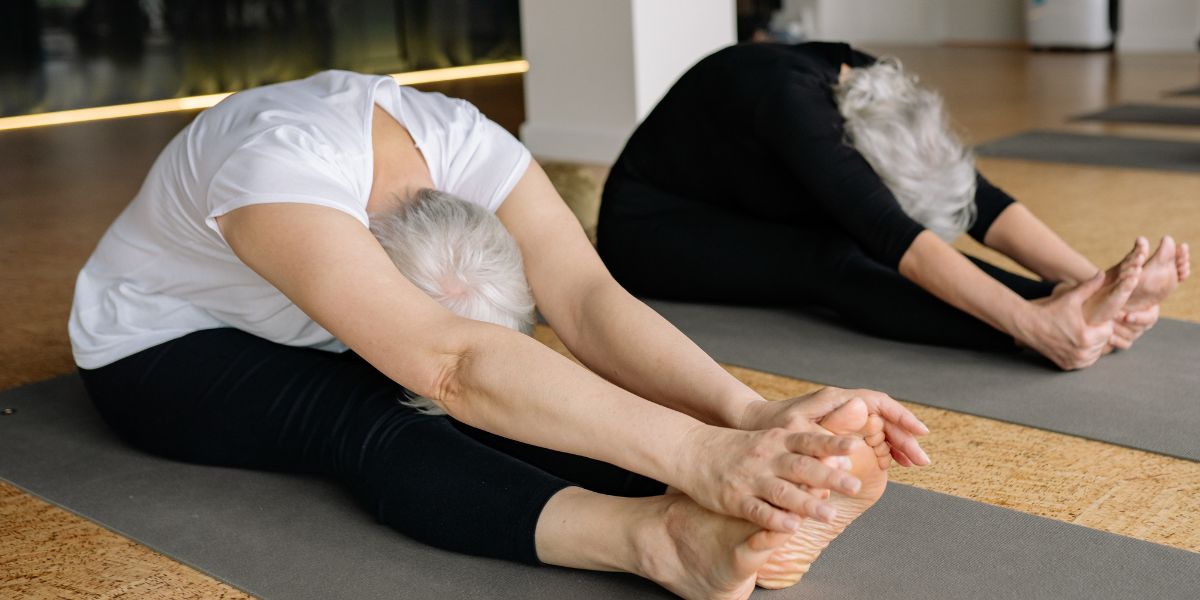
Flexibility is an important part of overall fitness because it helps your body move easily, improves posture, and supports better balance. Many beginners think stretching is only for athletes, but a simple daily stretching routine can benefit anyone. Gentle stretching can help reduce muscle tightness, improve mobility, and make everyday movements more comfortable.
A beginner stretching routine does not require expensive equipment or a gym membership. With a few natural movements and consistent practice, you can gradually improve your flexibility from the comfort of your home.
Why Stretching Is Important for Flexibility
Stretching helps increase the range of motion in your joints and keeps your muscles relaxed. When your body is flexible, you may find it easier to perform daily activities such as walking, bending, lifting, and exercising.
Some benefits of regular stretching include:
- Improved body flexibility and mobility
- Better posture and balance
- Reduced muscle stiffness
- Increased relaxation and stress relief
- Improved physical performance during workouts
Beginner Stretching Routine for Flexibility
Start slowly and avoid forcing your body into uncomfortable positions. Hold each stretch gently and breathe naturally.
1. Neck Stretch
A neck stretch is a simple way to release tension from the upper body.
How to do it:
- Sit or stand with your back straight.
- Slowly tilt your head toward one shoulder.
- Hold for 15–30 seconds.
- Repeat on the other side.
This stretch is helpful for people who spend long hours sitting or working on screens.
2. Shoulder Stretch
Shoulder stretches help improve upper-body flexibility and reduce tightness.
How to do it:
- Bring one arm across your chest.
- Use your other arm to gently pull it closer.
- Hold for 20 seconds.
- Switch sides.
3. Cat-Cow Stretch
This gentle movement improves flexibility in your spine and helps loosen your back muscles.
How to do it:
- Start on your hands and knees.
- Arch your back upward like a cat.
- Slowly lower your stomach and lift your chest.
- Repeat for 10–15 movements.
4. Standing Hamstring Stretch
Tight hamstrings can affect your movement and posture.
How to do it:
- Stand with your feet hip-width apart.
- Slowly bend forward from your hips.
- Let your arms relax toward the floor.
- Hold for 20–30 seconds.
Do not force yourself to touch your toes. Flexibility improves gradually.
5. Butterfly Stretch
This stretch targets your hips and inner thighs.
How to do it:
- Sit on the floor.
- Bring the soles of your feet together.
- Hold your feet with your hands.
- Gently press your knees downward.
- Hold for 20–30 seconds.
6. Child’s Pose
Child’s pose is a relaxing stretch that helps release tension in your back and hips.
How to do it:
- Kneel on the floor.
- Sit back on your heels.
- Extend your arms forward.
- Relax and breathe deeply.
Simple Daily Stretching Plan for Beginners
You can follow this easy routine:
Morning:
- Neck stretch – 30 seconds
- Shoulder stretch – 1 minute
- Cat-cow stretch – 2 minutes
Evening:
- Hamstring stretch – 1 minute
- Butterfly stretch – 1 minute
- Child’s pose – 2 minutes
A 10-minute daily stretching routine can create noticeable improvements over time.
Tips to Improve Flexibility Naturally
Be Consistent
Stretching once in a while will not create lasting results. Try to stretch regularly, even if it is only for a few minutes each day.
Warm Up Before Stretching
Light movement such as walking or gentle exercises can prepare your muscles for stretching.
Breathe Properly
Deep breathing helps your muscles relax and allows you to stretch more comfortably.
Avoid Overstretching
Stretching should feel gentle, not painful. Pushing too hard can cause muscle strain.
Stay Hydrated
Drinking enough water supports healthy muscles and overall body function.
Common Mistakes Beginners Make
Many beginners make mistakes that slow their progress, such as:
- Stretching without warming up
- Holding their breath during stretches
- Comparing their flexibility with others
- Doing stretches too quickly
- Ignoring proper form
Focus on your own progress and improve gradually.
How Long Does It Take to Improve Flexibility?
The time needed to improve flexibility depends on your body, age, activity level, and consistency. Some people notice improvements within a few weeks, while others may need several months.
The key is regular practice and patience. Small improvements every day can lead to better movement and flexibility over time.
Final Thoughts
A beginner stretching routine for flexibility is a simple and natural way to support your body’s health. By practicing gentle stretches regularly, you can improve mobility, reduce stiffness, and feel more comfortable in daily activities. Start with a few basic stretches, stay consistent, and allow your flexibility to improve naturally.
READ MORE: Simple Home Exercises Without Equipment: A Natural Guide to Staying Fit Anywhere.