

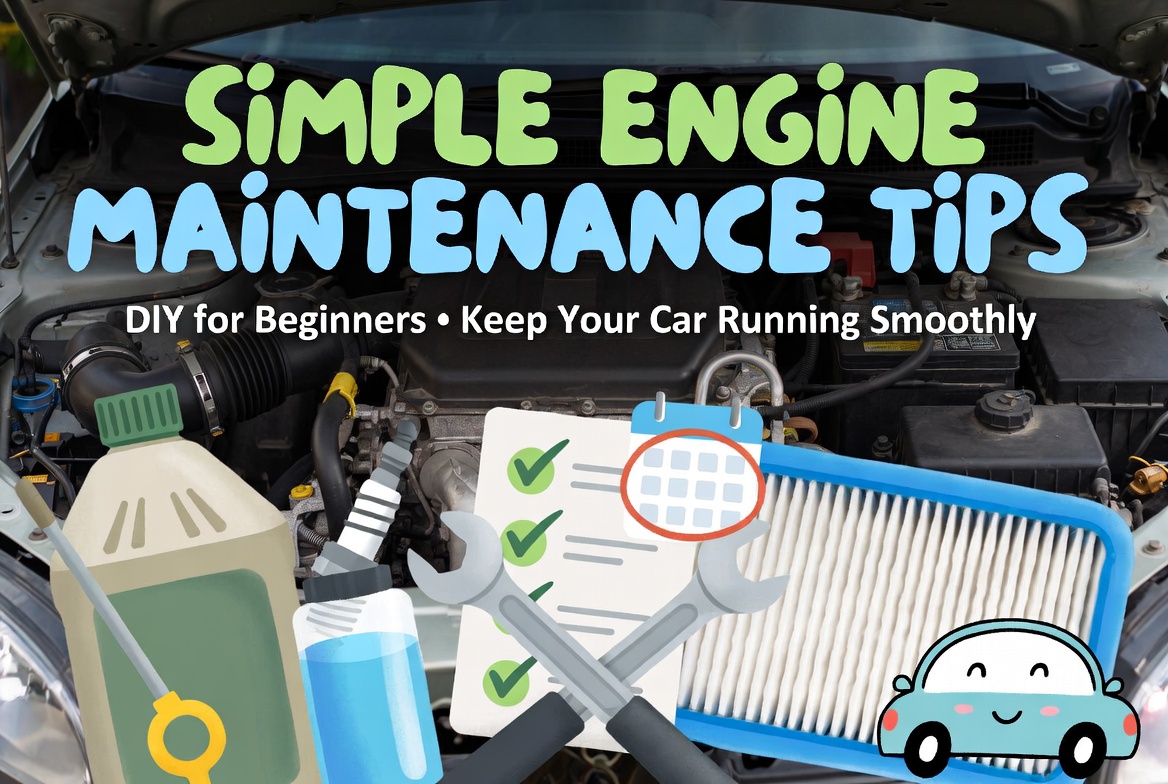
Your car’s engine is the heart of your vehicle, and keeping it in good condition is essential for performance, fuel efficiency, and long-term reliability. Regular engine maintenance doesn’t have to be complicated or expensive. Along with following these simple engine maintenance tips, using an affordable car maintenance checklist can help you stay on top of routine servicing and prevent costly repairs. By following a few simple engine maintenance tips, you can prevent expensive breakdowns, improve your vehicle’s lifespan, and enjoy a smoother driving experience.
In this comprehensive guide, you’ll learn the best practices for maintaining your engine, common mistakes to avoid, and easy DIY maintenance tasks that every car owner can perform. If you’re just getting started, be sure to read our guide on easy car maintenance tips for beginners for more practical advice on keeping your vehicle in excellent condition.
Why Engine Maintenance Is Important
Routine engine maintenance provides several benefits, including:
- Extends engine life
- Improves fuel economy
- Reduces emissions
- Prevents unexpected breakdowns
- Saves money on repairs
- Improves engine performance
- Maintains resale value
Neglecting maintenance can lead to overheating, poor fuel efficiency, engine knocking, or even complete engine failure.
1. Check Engine Oil Regularly
Engine oil lubricates moving parts and prevents excessive wear.
How Often
- Check oil every month
- Change oil every 5,000–10,000 km (or according to your owner’s manual)
How to Check
- Park on level ground.
- Turn off the engine.
- Wait a few minutes.
- Pull out the dipstick.
- Wipe it clean.
- Insert it again.
- Check the oil level.
If it’s below the minimum mark, add the recommended oil.
2. Replace the Oil Filter
Every oil change should include a new oil filter.
A clean oil filter:
- Removes dirt and contaminants
- Keeps fresh oil clean
- Protects engine components
Replacing the filter costs very little but greatly improves engine health.
3. Monitor Coolant Levels
The cooling system prevents overheating.
Check the coolant reservoir regularly.
Signs of low coolant include:
- Rising temperature gauge
- Steam from the hood
- Poor heater performance
Never open the radiator cap while the engine is hot.
4. Keep the Air Filter Clean
A dirty air filter restricts airflow, making the engine work harder.
Benefits of replacing the air filter include:
- Better acceleration
- Improved fuel economy
- Cleaner engine
- Reduced emissions
Replace it every 15,000–25,000 km, depending on driving conditions.
5. Inspect Spark Plugs
Spark plugs ignite the air-fuel mixture.
Worn spark plugs may cause:
- Rough idling
- Poor fuel economy
- Engine misfires
- Hard starting
Most spark plugs last 30,000–100,000 km, depending on the type.
6. Check Belts and Hoses
Rubber belts and hoses wear over time.
Inspect them for:
- Cracks
- Fraying
- Bulges
- Leaks
- Loose fittings
Replacing worn belts early can prevent major engine damage.
7. Listen for Unusual Sounds
Your engine often gives warning signs before a problem becomes serious.
Watch for:
- Knocking
- Clicking
- Grinding
- Squealing
- Hissing
If you hear unusual noises, inspect the vehicle promptly.
8. Replace the Fuel Filter
A clogged fuel filter reduces fuel flow.
Symptoms include:
- Poor acceleration
- Engine hesitation
- Hard starting
- Reduced power
Follow your manufacturer’s replacement schedule.
9. Keep the Battery Healthy
A weak battery affects engine starting.
Check:
- Battery terminals
- Corrosion
- Battery voltage
- Secure connections
Clean corrosion with a baking soda and water solution.
10. Inspect Engine Fluids
Besides engine oil, regularly check:
- Brake fluid
- Transmission fluid
- Power steering fluid
- Windshield washer fluid
- Coolant
Low fluid levels can affect both performance and safety.
11. Avoid Aggressive Driving
Driving habits significantly affect engine life.
Avoid:
- Hard acceleration
- Sudden braking
- High-speed driving when unnecessary
- Constant high RPM
Smooth driving reduces engine wear.
12. Warm Up the Engine Properly
Modern engines don’t require long warm-ups.
Instead:
- Start the engine.
- Wait about 30 seconds.
- Drive gently for the first few minutes.
This allows oil to circulate properly without wasting fuel.
13. Use Quality Fuel
Low-quality fuel may leave deposits inside the engine.
Choose fuel that matches your vehicle manufacturer’s recommended octane rating.
Avoid mixing different fuel grades unless recommended.
14. Keep the Engine Clean
A dirty engine traps heat and hides leaks.
You can:
- Remove dust regularly
- Wipe plastic covers
- Clean grease buildup
- Avoid spraying electrical components with water
A clean engine is easier to inspect and maintain.
15. Pay Attention to Warning Lights
Never ignore dashboard warning lights.
Common indicators include:
- Check Engine Light
- Oil Pressure Warning
- Temperature Warning
- Battery Warning
Early diagnosis often prevents expensive repairs.
16. Follow the Manufacturer’s Service Schedule
Every vehicle has a maintenance schedule based on mileage or time.
Following it helps:
- Prevent wear
- Maintain warranty coverage
- Improve reliability
- Catch problems early
Keep a maintenance log to track completed services.
Common Engine Maintenance Mistakes
Avoid these common errors:
- Skipping oil changes
- Ignoring unusual noises
- Driving with low coolant
- Using the wrong engine oil
- Delaying repairs
- Forgetting air filter replacement
- Ignoring warning lights
- Overfilling engine oil
Small mistakes can lead to expensive engine repairs over time.
Simple Monthly Engine Maintenance Checklist
Use this checklist every month:
- ✓ Check engine oil
- ✓ Inspect coolant level
- ✓ Examine air filter
- ✓ Look for leaks
- ✓ Check battery terminals
- ✓ Inspect belts and hoses
- ✓ Monitor tire pressure
- ✓ Listen for unusual engine noises
- ✓ Watch dashboard warning lights
Routine inspections take only a few minutes and can prevent major issues.
Benefits of Regular Engine Maintenance
Consistent maintenance offers many long-term advantages:
- Better fuel efficiency
- Longer engine lifespan
- Lower repair costs
- Improved reliability
- Reduced emissions
- Better vehicle performance
- Increased resale value
- Greater driving safety
A well-maintained engine performs more efficiently and is less likely to experience unexpected failures.
Frequently Asked Questions (FAQs)
How often should I change my engine oil?
Most vehicles require an oil change every 5,000 to 10,000 kilometers, depending on the oil type and manufacturer recommendations.
Can I check engine oil myself?
Yes. Use the dipstick to check the oil level when the engine is cool and parked on a level surface.
What happens if I ignore engine maintenance?
Neglecting maintenance can lead to overheating, poor performance, increased fuel consumption, and expensive engine repairs.
Is premium fuel better for every engine?
No. Use the fuel grade recommended in your vehicle’s owner’s manual. Premium fuel is only beneficial if your engine is designed for it.
How can I make my engine last longer?
Regular oil changes, timely filter replacements, proper fluid checks, smooth driving habits, and following the recommended service schedule are the best ways to maximize engine life.
Conclusion
Taking care of your vehicle doesn’t require advanced mechanical skills. By following these simple engine maintenance tips, you can improve fuel efficiency, extend your engine’s lifespan, and reduce the risk of costly breakdowns. Regularly checking oil, coolant, filters, belts, and other essential components helps keep your engine running smoothly for years to come. Make engine maintenance a routine part of vehicle ownership, and your car will reward you with reliable performance, better safety, and lower maintenance costs.
 alona queen