

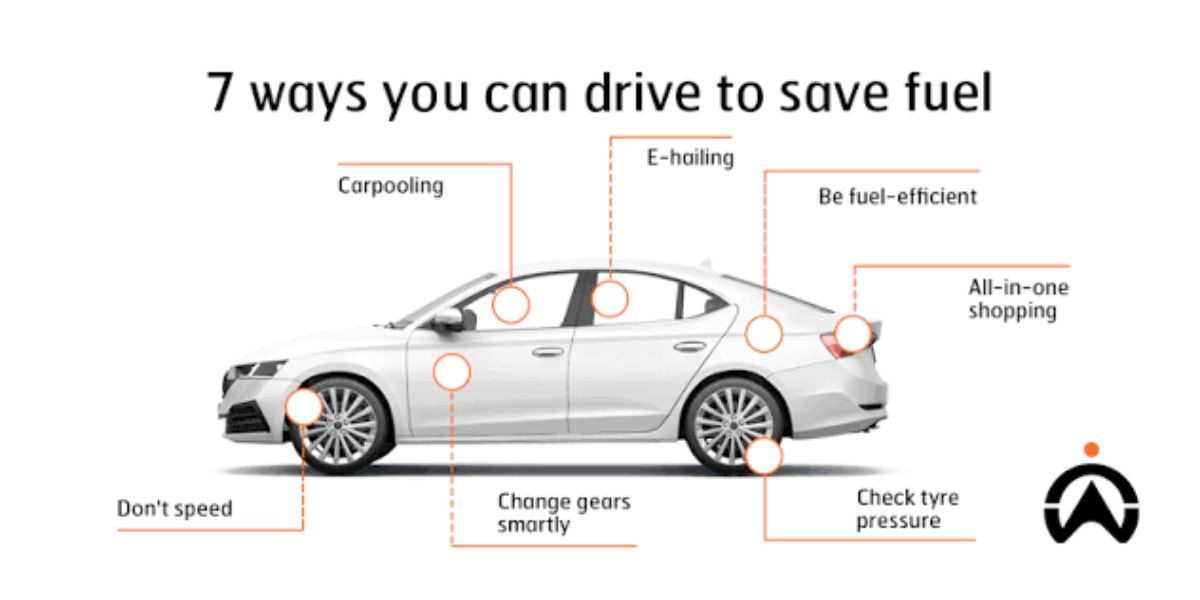
With fuel prices constantly changing, finding simple ways to save fuel can make a noticeable difference to your daily driving costs. The good news is that you do not always need expensive upgrades or major changes to improve fuel economy. Small, natural changes in the way you drive can help your car use less fuel, reduce unnecessary emissions, and even limit wear on important vehicle components.
Fuel-efficient driving is mainly about being smooth, patient, and aware of what is happening on the road. From gentle acceleration to maintaining your tires, these practical habits can help you get more kilometers from every tank.
1. Accelerate Smoothly
One of the easiest ways to save fuel is to avoid sudden acceleration. Pressing the accelerator aggressively makes the engine work harder and can quickly increase fuel consumption.
Instead, accelerate gradually and smoothly. Give your vehicle enough time to build speed without forcing the engine to work unnecessarily hard. Smooth acceleration is particularly useful in city traffic, where frequent stopping and starting can reduce fuel economy.
2. Maintain a Steady Speed
Constantly changing your speed can cause your vehicle to use more fuel. Whenever traffic and road conditions allow, try to maintain a consistent speed.
On highways, cruise control can help you maintain an even pace without repeated acceleration and deceleration. However, always adjust your speed according to traffic, weather, and road conditions.
3. Look Ahead and Avoid Unnecessary Braking
Good drivers pay attention to what is happening several seconds ahead. Instead of waiting until the last moment to brake, watch for traffic lights, stopped vehicles, intersections, and changes in traffic flow.
If you see that traffic is slowing down, gradually release the accelerator and allow the car to slow naturally when it is safe to do so. This reduces unnecessary acceleration after every stop and can help conserve fuel.
4. Avoid Excessive Idling
Leaving your engine running while the vehicle is parked wastes fuel without moving you anywhere. If you expect to remain stopped for an extended period and it is safe and appropriate to do so, turning the engine off can prevent unnecessary fuel consumption.
Avoid warming up a modern vehicle for long periods while parked. In most cases, gentle driving after starting allows the engine to reach its normal operating temperature more efficiently.
5. Keep Your Tires Properly Inflated
Tire pressure has an important effect on fuel economy. Underinflated tires create greater rolling resistance, meaning the engine has to work harder to move the vehicle.
Check your tire pressure regularly and keep it at the level recommended by your vehicle manufacturer. Properly inflated tires can also improve handling, tire life, and overall driving safety.
6. Reduce Unnecessary Weight
Carrying heavy items that you do not need can make your engine work harder, particularly during city driving and acceleration.
Take a few minutes to clean out your trunk and remove unnecessary equipment, luggage, or other heavy objects. Reducing extra weight is a simple habit that can support better fuel economy.
7. Combine Short Trips
Several separate short journeys can use more fuel than one planned trip. Cold starts can require additional fuel, especially when the vehicle is repeatedly started and stopped.
Whenever practical, combine errands into one route. Planning several tasks in the same area can reduce unnecessary mileage, save time, and help lower fuel consumption.
8. Choose Efficient Routes
The shortest route is not always the most fuel-efficient route. A slightly longer road with smoother traffic may sometimes use less fuel than a shorter route filled with congestion and frequent stops.
Before leaving, consider traffic conditions, road closures, and the number of stops along your journey. Navigation apps can also help identify delays and suggest alternative routes.
9. Use Air Conditioning Wisely
Air conditioning can increase fuel consumption, particularly when driving at lower speeds or when the system is working hard on very hot days.
Use the air conditioning when you need it, but avoid running it unnecessarily. When temperatures are comfortable, natural ventilation may be enough. At higher speeds, however, opening windows can also increase aerodynamic drag, so choose the option that makes sense for your driving conditions.
10. Maintain Your Vehicle Regularly
A well-maintained vehicle generally performs more efficiently than one that has been neglected. Follow the maintenance schedule recommended by your vehicle manufacturer.
Regular oil changes, clean filters, properly functioning spark plugs, correct wheel alignment, and healthy tires can all contribute to efficient vehicle operation.
Do not ignore warning lights or unusual engine behavior. Fixing a small problem early may prevent more expensive repairs and help maintain normal fuel economy.
11. Avoid Aggressive Driving
Rapid acceleration, hard braking, and unnecessary high-speed driving can all increase fuel consumption. Aggressive driving can also place additional stress on tires, brakes, suspension components, and the engine.
Adopting a calm and predictable driving style is better for both your fuel budget and your vehicle. Smooth driving also makes the journey more comfortable for everyone inside the car.
12. Use Technology to Monitor Fuel Economy
Many modern vehicles display information about average fuel consumption, distance traveled, and driving efficiency. Use these features to understand how your driving habits affect fuel use.
You can also keep a simple record of how much fuel you purchase and how far you travel. Tracking your fuel economy over time can help you identify which habits are working and where you can improve.
Final Thoughts
Saving fuel does not have to be complicated. Simple habits such as accelerating gently, maintaining a steady speed, avoiding unnecessary idling, keeping tires properly inflated, planning efficient routes, and maintaining your vehicle can make everyday driving more economical.
The most effective approach is to make these habits part of your normal routine. By driving smoothly and looking after your vehicle, you can reduce unnecessary fuel consumption, lower driving costs, and make your daily journeys more environmentally friendly.