

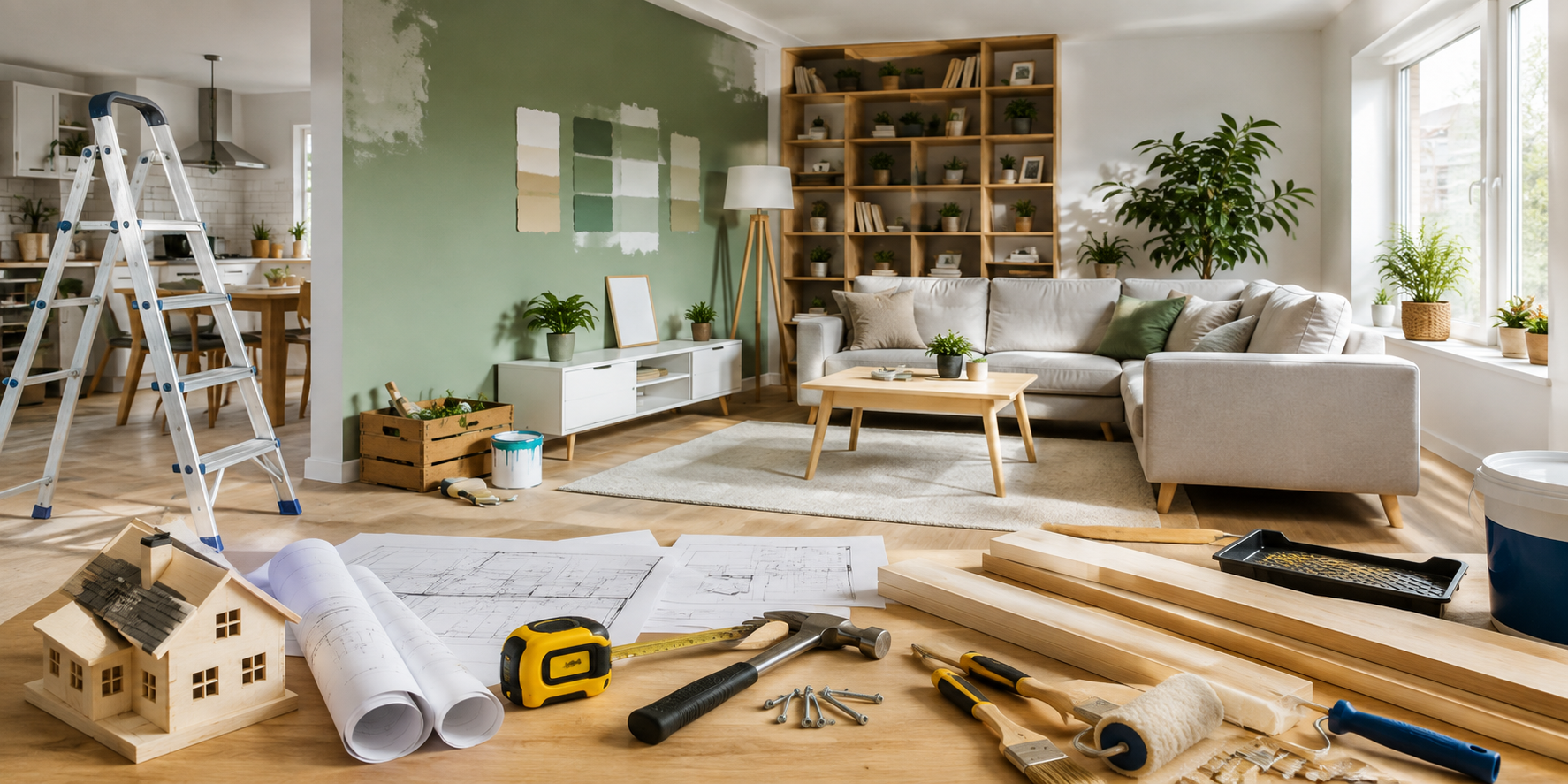
Home improvement does not always mean taking on an expensive renovation or completely changing the design of your property. Sometimes, a few practical upgrades can make a home more comfortable, functional, and enjoyable.
Whether you have recently moved into a new house or have lived in the same property for years, there are always areas that can benefit from some attention. The key is to focus on improvements that solve real problems rather than spending money simply because something is currently trending.
Here are some practical home improvement ideas worth considering.
Start With the Areas That Need the Most Attention
Before buying materials or starting a project, walk through your home and identify the areas that cause the most inconvenience.
You might notice a door that sticks, insufficient storage in the bedroom, poor lighting in the kitchen, or drafts coming through older windows. These small problems can affect everyday comfort more than you might realise.
Making a list of these issues allows you to prioritise projects according to their importance and your available budget.
For homeowners looking for additional ideas and practical guides, IngeBIM provides useful information covering home improvement, construction, DIY projects, and residential maintenance.
Improve Your Home’s Storage
Lack of storage is one of the most common problems in modern homes. When belongings do not have a proper place, rooms can quickly become cluttered.
You do not necessarily need to build a new room or install expensive cabinets. Simple solutions such as floating shelves, storage benches, wall-mounted organisers, and under-bed containers can create useful additional space.
Using vertical wall space is particularly helpful in smaller rooms. Tall shelving units can provide plenty of storage while taking up relatively little floor space.
Pay Attention to Doors and Windows
Doors and windows have an important role in the comfort and efficiency of a home. Unfortunately, they are often ignored until a noticeable problem develops.
Check doors for loose handles, damaged hinges, gaps, or sticking. Windows should also be inspected for damaged seals, drafts, condensation, and difficulty opening or closing.
Small maintenance jobs can often prevent bigger problems later. Replacing worn hardware or repairing a damaged seal may be enough to improve how a door or window performs.
Homeowners interested in more practical maintenance and renovation ideas can explore the IngeBIM blog for additional home-related guides.
Make Better Use of Natural Light
Good lighting can completely change the atmosphere of a room. Before investing heavily in new lighting systems, consider whether you are making the most of the natural light already available.
Keep windows clean and avoid placing large furniture directly in front of them. Light-coloured curtains or blinds can also allow more daylight into the room while still providing privacy.
For darker areas of the home, consider adding task lighting where it is most useful. Kitchens, desks, reading areas, and workspaces can all benefit from targeted lighting.
Refresh Your Walls
Painting is one of the simplest ways to give a room a new appearance without carrying out a major renovation.
A fresh coat of paint can cover marks and imperfections while changing the overall mood of a space. Light and neutral colours can help smaller rooms feel more open, while a carefully chosen feature wall can add character.
Before painting, prepare the surface properly. Clean the walls, repair small holes and cracks, and use the appropriate primer where necessary. Good preparation can make the final result look significantly better.
Consider Energy-Efficient Improvements
Some home improvements can make your property more comfortable while also reducing unnecessary energy use.
Start with relatively simple measures. Check for obvious drafts around doors and windows, improve insulation where appropriate, and replace inefficient light bulbs with modern energy-saving alternatives.
Heating and cooling equipment should also be maintained regularly. A system that is poorly maintained may work harder than necessary to maintain a comfortable indoor temperature.
When replacing appliances, choosing energy-efficient models can also help reduce long-term running costs.
Improve Your Outdoor Space
Home improvement does not have to stop at the front door. A well-maintained outdoor area can make a property more enjoyable and improve its overall appearance.
You could start with simple tasks such as cleaning pathways, maintaining plants, repainting fences, or improving outdoor lighting.
If you have a garden, creating a comfortable seating area can turn an unused section into a useful space for relaxing or entertaining guests.
Even small changes can make an outdoor area feel more organised and welcoming.
Upgrade the Entrance
The entrance is one of the first areas people notice when they visit your home. It should therefore be both attractive and practical.
A clean and well-maintained front door can make a strong first impression. Consider checking the door handle, hinges, locks, weather seals, and surrounding frame for signs of wear.
Inside the entrance, simple storage for shoes, coats, bags, and other everyday items can help prevent clutter from spreading into other rooms.
Good lighting is another useful improvement, particularly around entrances and pathways.
Fix Small Problems Before They Become Bigger
One of the most effective home improvement strategies is regular maintenance.
A loose handle, leaking tap, damaged seal, small crack, or sticking door may seem insignificant. However, delaying repairs can sometimes allow minor problems to become more expensive ones.
Creating a basic maintenance checklist can help homeowners keep track of areas that need attention. It is also useful to inspect different parts of the property throughout the year rather than waiting for something to fail.
Regular maintenance is usually easier and less expensive than dealing with a major repair caused by a neglected problem.
Plan Before Starting a Bigger Project
Larger home improvement projects require more preparation than simple repairs.
Before starting, decide exactly what you want to achieve. Set a realistic budget and make a list of the materials, tools, and professional services that may be required.
It is also important to understand which jobs are suitable for DIY work and which should be handled by qualified professionals. Electrical, structural, plumbing, and other specialist work can require specific skills and should not be approached casually.
A well-planned project is more likely to stay within budget and deliver the result you actually want.
Choose Improvements That Add Long-Term Value
When deciding between different projects, think beyond appearance.
An improvement that makes your home more comfortable, efficient, durable, or easier to maintain can provide value long after the initial work has been completed.
For example, improving insulation, repairing damaged windows, upgrading lighting, or solving storage problems may have a more practical impact than making a purely cosmetic change.
This does not mean every improvement needs to increase the property’s market value. Your own comfort and the way you use the house should also be important considerations.
Final Thoughts
Making a home better does not always require a major renovation. Small, well-planned improvements can have a surprisingly large effect on comfort, functionality, and appearance.
Start by identifying the problems you encounter most often. Improve storage, maintain doors and windows, refresh tired walls, make better use of natural light, and deal with minor repairs before they become larger issues.
Most importantly, take the time to plan each project. A practical approach to home improvement can help you create a house that is not only more attractive but also easier and more enjoyable to live in.
 alona queen