

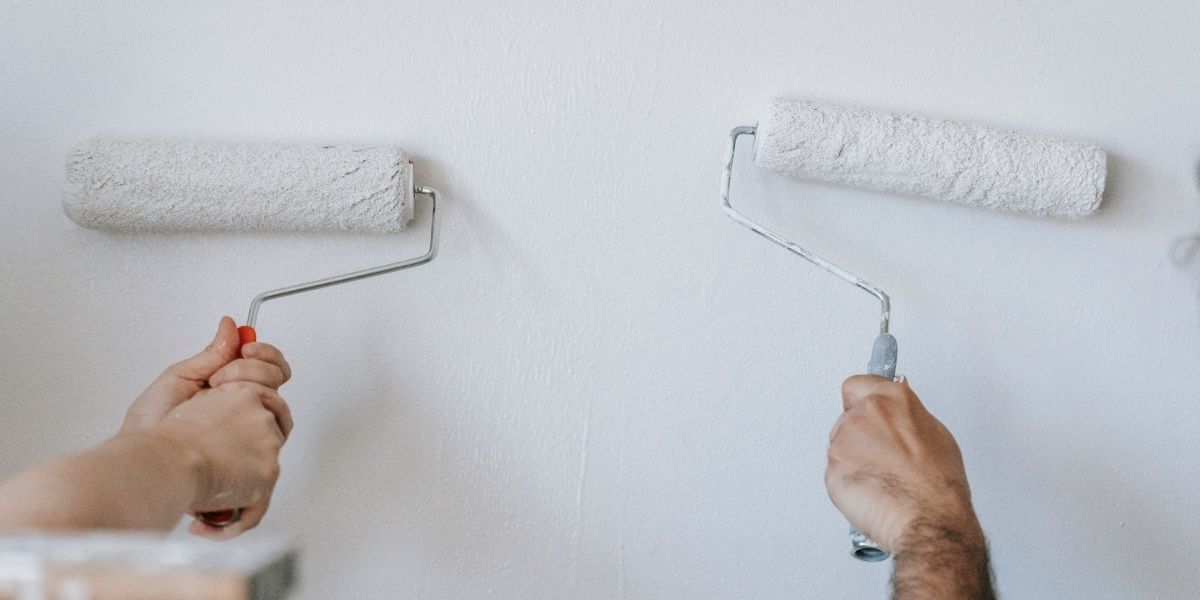
A blank wall can make a room feel unfinished, but you do not need a major renovation to give it a fresh look. With a little creativity, some basic materials, and a weekend of free time, you can turn an ordinary wall into an attractive feature of your home.
Wall makeovers are also a simple way to experiment with color, patterns, artwork, lighting, and natural materials. Whether you want a cozy bedroom, a stylish living room, or a more organized workspace, these DIY wall makeover ideas can help you create a space that feels more personal and inviting.
1. Give Your Walls a Fresh Coat of Paint
One of the easiest ways to transform a wall is with paint. A new color can completely change the atmosphere of a room without requiring expensive furniture or decorations.
For a calm appearance, consider soft neutral shades, warm earthy tones, or gentle greens. If you want the wall to become the main feature, choose a deeper or more noticeable shade.
Before painting, clean the wall, repair small holes, and use painter’s tape around trim and other surfaces. Test your chosen color in a small area first because lighting can affect how the shade looks throughout the day.
2. Create a Simple DIY Accent Wall
An accent wall gives you a chance to make one wall stand out while keeping the rest of the room simple. You can create one with paint, removable wallpaper, wood, fabric, or decorative panels.
A painted accent wall works particularly well behind a bed, sofa, dining table, or desk. Choose a color that complements the existing furniture instead of competing with everything else in the room.
3. Try Geometric Wall Patterns
Geometric designs are an inexpensive way to add visual interest. Use painter’s tape to create triangles, rectangles, diagonal lines, arches, or simple blocks.
You do not need to cover the entire wall. A small geometric section can create a statement without making the room feel too busy.
For a balanced result, stick to two or three complementary colors. Patterns and strong lines have long been used in interior decoration, including traditional wall art and modern design styles.
4. Make a Handmade Wall Art Display
You can create attractive wall art without purchasing expensive artwork. Try framing your own sketches, photographs, children’s artwork, pressed leaves, fabric pieces, or simple handmade prints.
Arrange several pieces together to create a gallery wall. Before putting nails into the wall, place the frames on the floor and experiment with different arrangements.
Keep similar colors or themes throughout the display to make the collection look intentional.
5. Add Wooden Panels for Natural Warmth
Wood can make a room feel warmer and more comfortable. You can use inexpensive wooden boards to create a simple panel wall or install a small section behind a desk or bed.
If you prefer a lighter project, consider adding a few narrow wooden strips in a geometric arrangement rather than covering the entire wall.
Choose materials carefully and follow the manufacturer’s installation instructions. For rented homes, removable alternatives may be more practical.
6. Use Mirrors to Make Small Rooms Feel Larger
Mirrors can be both decorative and functional. A large mirror can become the focal point of a wall, while several smaller mirrors can create an interesting arrangement.
Place a mirror where it can reflect natural light or an attractive part of the room. This can make the space feel brighter and more open.
7. Create a Cozy Gallery Wall
A gallery wall does not have to be expensive or complicated. Combine photographs, artwork, small mirrors, decorative objects, and meaningful prints.
For a clean appearance, use frames with similar finishes. For a more relaxed look, mix different frame styles while keeping the overall color palette consistent.
The goal is to create a wall that reflects your personality rather than simply filling empty space.
8. Decorate Walls With Indoor Plants
Plants can bring a natural feeling into your home. Consider wall-mounted planters, hanging plants, or small shelves filled with greenery.
If your wall does not receive enough sunlight, choose plants that can tolerate lower-light conditions. Make sure wall-mounted containers are securely attached and do not overload shelves.
For an even simpler option, botanical prints can provide a similar natural theme without requiring plant care.
9. Add Soft Lighting to Highlight Your Walls
Lighting can dramatically change the way a wall looks. Wall sconces, picture lights, LED strips, and small decorative lamps can highlight artwork, shelves, or architectural features.
Think about what you want the lighting to emphasize. A picture light can draw attention to artwork, while subtle lighting behind shelving can add depth.
Lighting is an important part of interior design because it can influence both the appearance and mood of a room.
10. Try a Budget-Friendly Textured Wall
Texture can make a plain wall more interesting. Depending on your skill level, you could experiment with textured paint techniques, removable textured wallpaper, fabric panels, or lightweight decorative molding.
If you are trying a new technique, practice on a small board first. This allows you to see how the texture will look before committing to the entire wall.
11. Use Recycled Materials for Eco-Friendly Wall Decor
A wall makeover can also be an opportunity to reuse materials. Old wooden boards, unused frames, fabric scraps, baskets, or other suitable household materials can become decorative features.
Sustainable interior design focuses on creating useful and attractive spaces while considering environmentally friendly and energy-efficient choices.
Before reusing an item, make sure it is clean, stable, and appropriate for indoor use.
12. Add Traditional Patterns for a Unique Look
Traditional decorative patterns can give a room character. Geometric shapes, repeated lines, floral-inspired designs, and handmade motifs can be adapted into a modern wall project.
You can create your own pattern using stencils or painter’s tape. Start with a small section if you are unsure about using bold designs.
Traditional wall decoration has appeared in many cultures, with geometric patterns and colorful designs being used to add character to interior spaces.
13. Refresh Your Bedroom Wall With Simple DIY Decor
The wall behind the bed is often a natural focal point. Instead of buying an expensive headboard, consider creating a painted arch, wooden feature, fabric hanging, gallery display, or simple wall molding.
Keep bedroom colors relaxing and avoid adding too many competing patterns. The goal is to create a comfortable environment rather than an overcrowded one.
14. Make a Statement Wall Without Major Renovation
A statement wall does not need to involve construction. Paint, wallpaper, artwork, mirrors, shelves, or decorative objects can make a strong visual impact.
Choose one main feature and allow it to stand out. Too many large decorative elements can make a room feel cluttered.
15. Easy DIY Wall Makeovers for Renters
If you rent your home, focus on changes that can be removed later. Removable wallpaper, lightweight artwork, adhesive hooks designed for suitable surfaces, and freestanding decorative pieces can provide plenty of flexibility.
Always check the product instructions and your rental agreement before making changes to the walls.
16. How to Choose the Right Wall Colors
Color is one of the most powerful tools for changing the feeling of a room. Light colors can help a small space feel more open, while darker shades can create a dramatic or cozy atmosphere.
Consider the room’s existing furniture, flooring, curtains, and natural light before choosing a color. A shade that looks beautiful in a store may look completely different under your home’s lighting.
Interior design principles emphasize that color can influence how a space is perceived and can contribute to feelings such as calmness, comfort, or energy.
17. Common DIY Wall Makeover Mistakes to Avoid
A successful makeover is not only about choosing a beautiful idea. Preparation matters too.
Avoid painting over dirty or damaged surfaces, using unsuitable materials, overcrowding a wall, or choosing colors without testing them first. Measure carefully before installing shelves, panels, or artwork.
Most importantly, do not rush. Taking time to plan the layout can prevent unnecessary holes, wasted materials, and frustrating mistakes.
18. Final Tips for a Beautiful DIY Wall Makeover
You do not have to completely redesign a room to make it feel new. A fresh paint color, handmade artwork, a few plants, a mirror, or carefully placed lighting can make a noticeable difference.
Start with one wall and choose an idea that matches your budget, skill level, and existing décor. Keep the design balanced, use materials thoughtfully, and allow your personal style to guide the project.
With a little creativity, even the plainest wall can become a beautiful feature that makes your home feel more comfortable, welcoming, and uniquely yours.
 molyatkinsan