

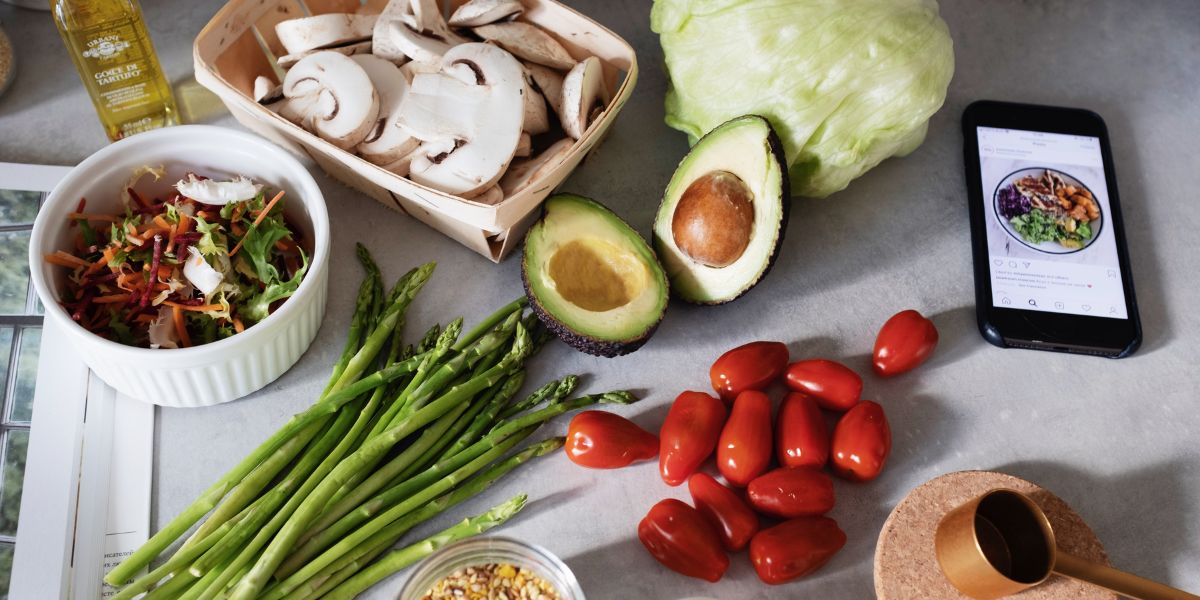
Inflammation is a natural process that helps the body protect itself from injury and illness. However, long-term inflammation may affect overall health and can be linked with various health concerns. One of the easiest ways to support a healthy inflammatory response is by choosing nutrient-rich foods that provide antioxidants, vitamins, minerals, and healthy fats.
An anti-inflammatory diet focuses on natural whole foods that help the body maintain balance. For beginners, making small changes like adding more fruits, vegetables, healthy fats, and spices can be a simple step toward healthier eating.
What Are Anti-Inflammatory Foods?
Anti-inflammatory foods are foods that contain natural compounds that may help support the body’s defense system. These foods are often rich in antioxidants and nutrients that help protect cells from oxidative stress.
Common anti-inflammatory nutrients include:
- Omega-3 fatty acids
- Fiber
- Polyphenols
- Vitamins and minerals
- Antioxidants
Eating a variety of these foods regularly can support overall wellness and a balanced lifestyle.
Best Anti-Inflammatory Foods for Beginners
1. Fatty Fish Rich in Omega-3
Fatty fish are among the best sources of omega-3 fatty acids, which are healthy fats known for their role in supporting normal inflammatory responses.
Examples include:
- Salmon
- Sardines
- Tuna
- Mackerel
For beginners, adding fish to meals once or twice a week can be an easy way to increase healthy fat intake.
2. Colorful Fruits
Fruits contain antioxidants and plant compounds that help protect the body from free radicals.
Great choices include:
- Blueberries
- Strawberries
- Cherries
- Oranges
- Apples
- Grapes
Berries are especially popular because they are rich in natural plant compounds that support overall health.
3. Leafy Green Vegetables
Green vegetables provide important vitamins, minerals, and antioxidants.
Examples include:
- Spinach
- Kale
- Broccoli
- Swiss chard
- Lettuce
Adding a serving of vegetables to lunch or dinner is a simple beginner-friendly habit.
4. Nuts and Seeds
Nuts and seeds contain healthy fats, fiber, and minerals that support a balanced diet.
Healthy options include:
- Walnuts
- Almonds
- Chia seeds
- Flaxseeds
- Pumpkin seeds
A small handful of nuts or a spoonful of seeds can be added to yogurt, smoothies, or salads.
5. Turmeric and Curcumin-Rich Foods
Turmeric is a traditional spice that contains curcumin, a natural compound studied for its antioxidant properties.
Ways to use turmeric:
- Add it to soups
- Mix it into vegetables
- Use it in healthy recipes
Combining turmeric with black pepper may help improve the absorption of curcumin.
6. Extra Virgin Olive Oil
Extra virgin olive oil is a healthy fat commonly used in Mediterranean-style eating patterns.
It can be used for:
- Salad dressings
- Cooking vegetables
- Homemade sauces
Choosing healthy oils instead of highly processed fats can improve the quality of your diet.
7. Beans and Legumes
Beans provide fiber, plant-based protein, and important nutrients.
Examples include:
- Lentils
- Chickpeas
- Black beans
- Kidney beans
They are affordable, filling, and easy to include in everyday meals.
8. Green Tea
Green tea contains plant compounds called polyphenols that have antioxidant benefits.
A cup of green tea can be a simple addition to a healthy daily routine.
Beginner Anti-Inflammatory Meal Ideas
Breakfast Ideas:
- Oatmeal with berries and walnuts
- Greek yogurt with chia seeds and fruit
- Smoothie with spinach, berries, and flaxseeds
Lunch Ideas:
- Grilled salmon with vegetables
- Lentil soup with a side salad
- Chickpea salad with olive oil dressing
Dinner Ideas:
- Roasted vegetables with brown rice
- Chicken with leafy greens
- Vegetable stir-fry with healthy oils
Foods to Limit for Better Inflammation Support
While no single food causes inflammation by itself, frequently eating highly processed foods may not support overall health.
Try limiting:
- Sugary drinks
- Excess processed snacks
- Deep-fried foods
- Refined carbohydrates
- Excess processed meats
Replacing these foods with whole, nutrient-rich options can create a healthier eating pattern.
Simple Tips to Start an Anti-Inflammatory Diet
Beginners do not need to change everything at once. Start with small steps:
- Add one extra serving of vegetables daily
- Include fruits as snacks
- Replace unhealthy fats with olive oil or nuts
- Drink more water
- Choose whole grains instead of refined grains
- Use herbs and spices instead of excessive salt
Natural Anti-Inflammatory Foods vs Supplements
Whole foods are usually the best foundation for a healthy diet because they provide a combination of nutrients that work together. Supplements such as omega-3 capsules, curcumin, or other compounds may be useful for some people, but they should not replace a balanced diet.
Always consult a healthcare professional before using supplements, especially if you take medications or have a medical condition.
Final Thoughts
Starting an anti-inflammatory eating plan does not have to be complicated. Simple foods like berries, vegetables, fatty fish, nuts, seeds, beans, olive oil, and turmeric can help create a nutrient-rich diet that supports overall health.
For beginners, the best approach is consistency. Small daily choices can build a healthier lifestyle and encourage better long-term wellness.
READ MORE: Natural High Protein Foods for Women.