

Introduction
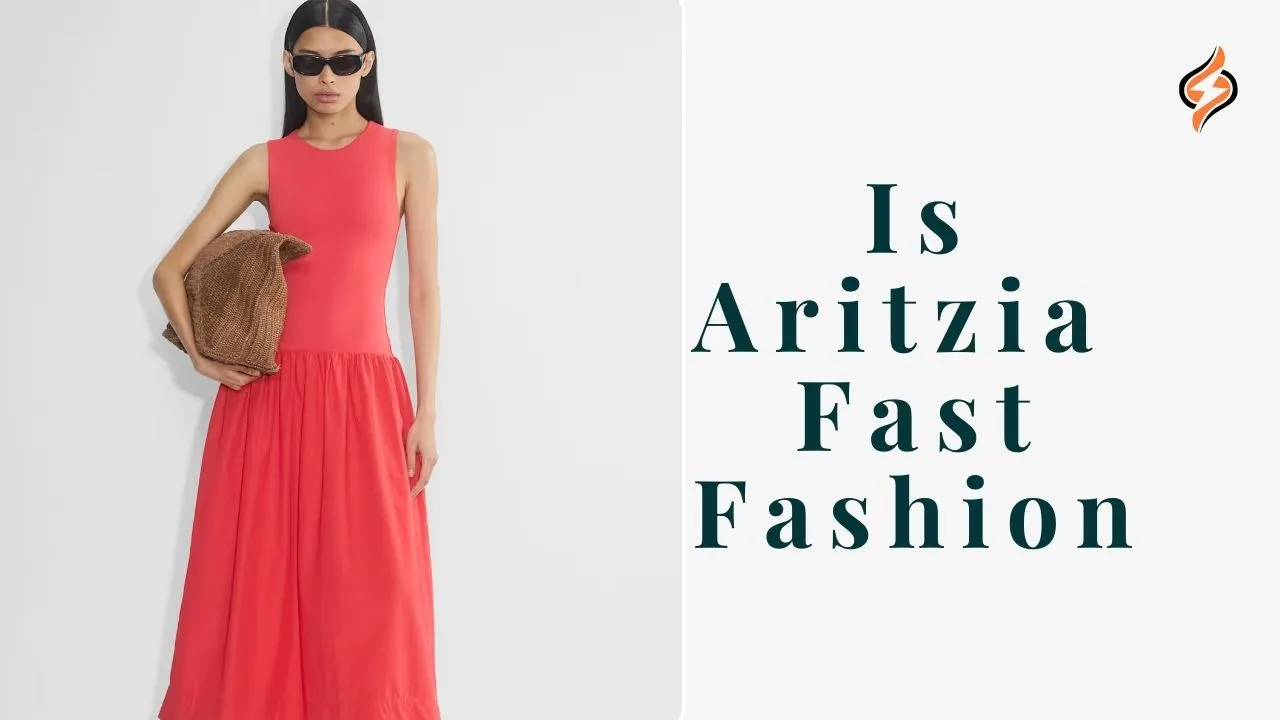
Aritzia has built a strong reputation for its clean, minimalist aesthetic and high-quality feel. Its clothing often looks like something you’d see in a capsule wardrobe—neutral tones, tailored silhouettes, and simple designs that feel both modern and timeless. Because of this polished image, many shoppers assume Aritzia sits outside the fast fashion category.
However, when you look beyond aesthetics and examine how the brand actually operates, a more complex picture emerges. The real question is not whether Aritzia looks like slow fashion, but whether its production model aligns with the principles of slow, sustainable clothing.
What Is Fast Fashion?
Fast fashion refers to a business model focused on rapid production, frequent new releases, and high-volume sales. Instead of producing a small number of carefully curated collections, fast fashion brands continuously introduce new items to keep up with trends and encourage repeated purchasing.
Key characteristics of fast fashion include:
- Frequent new arrivals throughout the year
- Large product catalogs with constant updates
- Trend-driven production cycles
- High output and fast inventory turnover
- Business growth dependent on repeat purchasing
In short, fast fashion prioritizes speed and volume over long-term sustainability.
Why Aritzia Doesn’t “Feel” Like Fast Fashion
Many people hesitate to label Aritzia as fast fashion because of how the brand presents itself. Compared to ultra-fast retailers, Aritzia feels more refined and premium.
Reasons people view Aritzia differently include:
- Higher price points than typical mall brands
- Minimalist, timeless design aesthetic
- Better fabric quality and construction
- Clothing that feels durable and long-lasting
- Curated store experience and branding
These factors create the impression of a more sustainable or “slow fashion” brand, even if the underlying system is more complex.
Aritzia’s Production Model: Constant Newness
Despite its elevated image, Aritzia continues to operate on a frequent release cycle. New items, colors, and seasonal updates are regularly introduced throughout the year.
This ongoing flow of products is a key trait of fast fashion. While the designs may appear timeless, the business still depends on:
- Regular product drops
- Continuous inventory updates
- Seasonal and trend-responsive releases
- Encouraging frequent customer return visits
This structure aligns more closely with fast fashion logic, even if the execution feels more premium.
Materials and Quality: Better, But Not Perfect
Aritzia uses a mix of natural and synthetic fabrics, including wool, cotton, cashmere, polyester, nylon, and blended textiles. While the inclusion of natural fibers improves quality perception, it does not automatically make the brand sustainable or slow.
Some important considerations:
- Synthetic blends can be difficult to recycle
- Mixed materials often contribute to microplastic pollution
- Higher-quality fabrics still depend on mass production systems
- “Premium materials” do not necessarily mean ethical production
So while Aritzia may offer better quality than ultra-fast fashion brands, its materials alone don’t place it in the slow fashion category.
Sustainability Efforts and Transparency
Aritzia has made public commitments toward sustainability, including:
- Improving material sourcing
- Reducing environmental impact
- Increasing supply chain transparency
- Setting long-term environmental goals
These steps are positive, but they do not fundamentally change the brand’s core operating model. The company still produces large volumes of clothing and releases new products frequently.
True slow fashion brands typically focus on:
- Small-batch production
- Made-to-order systems
- Repair and reuse programs
- Limited seasonal collections
Aritzia, in contrast, continues to operate on a high-output retail model.
What Is “Premium Fast Fashion”?
Aritzia is often best described as premium fast fashion—a category that blends higher quality and elevated branding with fast fashion production systems.
Premium fast fashion brands typically:
- Charge higher prices
- Use better fabrics than ultra-fast retailers
- Market themselves as timeless or investment-worthy
- Offer a curated, minimal aesthetic
- Still rely on frequent product launches and steady sales volume
This model creates a perception of luxury or longevity while still operating on rapid consumption cycles.
So, Is Aritzia Fast Fashion?
Yes—Aritzia is generally considered fast fashion, but in a more premium form.
It is not disposable, ultra-cheap fast fashion, but it still fits the category because:
- It releases new products frequently
- It produces clothing at a high volume
- Its business model depends on repeat purchasing
- It responds to trends and seasonal demand
- It uses a mix of synthetic and blended fabrics at scale
The key difference is presentation: Aritzia feels elevated, but the underlying structure still aligns with fast fashion principles.
What This Means for Consumers
Understanding this classification does not mean you need to avoid the brand. It simply helps you shop more intentionally.
A more mindful approach includes:
- Wearing pieces for longer periods
- Repairing clothing when possible
- Avoiding impulse purchases driven by new arrivals
- Choosing items based on need rather than trend cycles
Sustainable fashion is less about perfection and more about reducing unnecessary consumption.
Final Thoughts
Aritzia sits in a unique space between fast fashion and luxury retail. It offers better quality, stronger branding, and a more refined aesthetic than traditional fast fashion brands—but it still operates on a system built around frequent product releases and continuous consumption.
In simple terms, Aritzia is not slow fashion, but premium fast fashion—a modern version of fast fashion that looks more timeless, but functions in much the same way.
READ MORE: What Does Bussy Mean in Slang? Meaning, Origin, and How the Internet Uses the Term.
 alona queen