

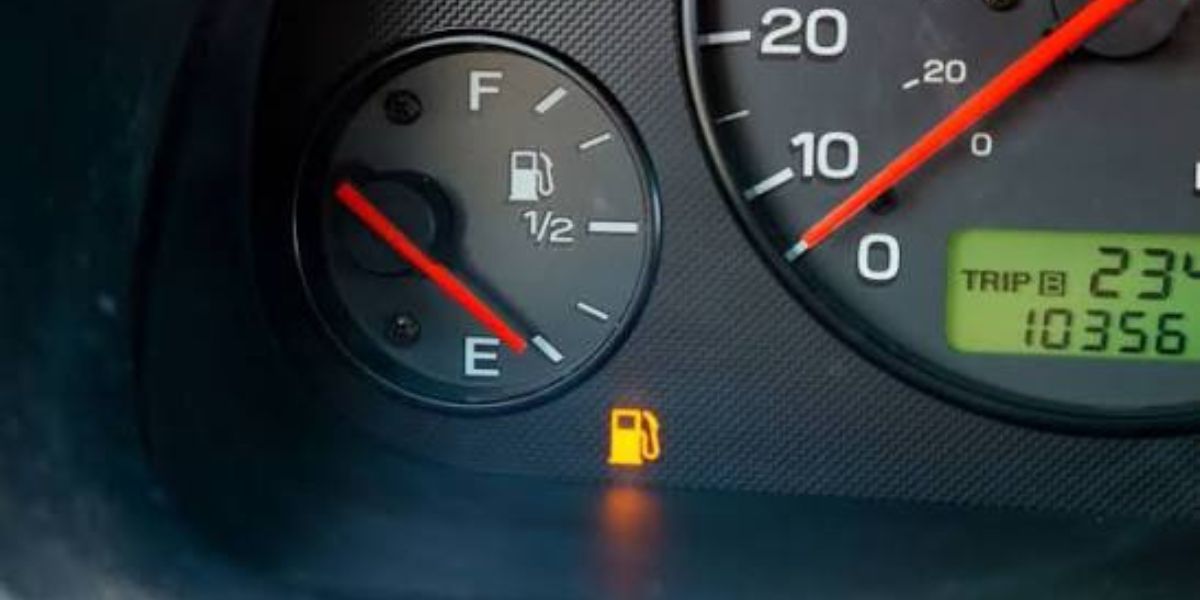
Poor fuel mileage can be frustrating, especially when you notice yourself visiting the gas station more often than usual. A car that suddenly uses more fuel may have a maintenance issue, poor driving habits, or simple problems such as low tire pressure. In many cases, identifying the cause early can help improve fuel economy and prevent more expensive repairs.
1. Low Tire Pressure
Underinflated tires create more rolling resistance, which makes the engine work harder and use additional fuel. Checking your tire pressure regularly and keeping it at the manufacturer’s recommended level is one of the easiest ways to support better fuel mileage.
2. Poor Wheel Alignment
Misaligned wheels can create extra resistance as the vehicle moves down the road. If your steering wheel is not straight while driving or the car pulls to one side, checking the wheel alignment may help improve efficiency.
3. Worn Spark Plugs
Spark plugs are responsible for igniting the air-fuel mixture inside the engine. Worn or faulty spark plugs can cause misfires, rough idling, reduced engine power, and wasted fuel.
4. Dirty Engine Air Filter
A clogged air filter can restrict airflow to the engine. While its effect on fuel economy depends on the vehicle and engine design, keeping the filter clean and replacing it according to the owner’s manual is an important part of routine maintenance.
5. Faulty Oxygen Sensor
The oxygen sensor helps the engine computer determine the correct air-to-fuel mixture. If the sensor provides inaccurate readings, the engine may use too much fuel and lose efficiency.
6. Dirty or Damaged Fuel Injectors
Fuel injectors need to deliver fuel in a precise spray pattern. Dirt or internal damage can interfere with this process, making combustion less efficient and potentially reducing fuel mileage.
7. Clogged Fuel Filter
A clogged fuel filter can restrict fuel flow and lower fuel pressure. This may cause the engine to run poorly and, in some situations, reduce fuel efficiency.
8. Aggressive Driving Habits
Rapid acceleration, hard braking, speeding, and constantly changing speed can increase fuel consumption. Smooth acceleration, steady speeds, and anticipating traffic can make everyday driving more fuel-efficient.
9. Carrying Too Much Weight
Extra cargo makes the engine work harder, particularly during acceleration and uphill driving. Removing unnecessary items from the trunk and taking off unused roof equipment can help reduce the load on the vehicle.
10. A Dirty Mass Airflow Sensor
The mass airflow sensor measures the amount of air entering the engine. If it becomes dirty or fails to work correctly, the engine computer may calculate the air-fuel mixture incorrectly, which can contribute to poor fuel efficiency.
11. Using the Wrong Engine Oil
Using an oil viscosity that is not recommended for your vehicle can increase resistance between engine components and potentially affect fuel efficiency. Following the oil specification in your owner’s manual is the safest approach.
12. Sticking or Dragging Brakes
A stuck brake caliper or sticky brake pads can create constant resistance while the car is moving. The engine then has to work harder to keep the vehicle moving, which can cause fuel mileage to drop.
13. Worn Piston Rings
Worn piston rings can reduce engine compression and affect how efficiently the engine uses fuel. This is a more serious mechanical issue that may require professional inspection and repair.
14. Aging Engine Components
As a vehicle gets older, sensors, moving parts, and other engine components can wear down. Regular inspections and maintenance can help identify these problems before they have a major effect on fuel economy.
How to Improve Poor Fuel Mileage Naturally
Start with the simple things first. Check your tire pressure, remove unnecessary weight, follow the recommended maintenance schedule, and avoid aggressive acceleration and braking. If fuel mileage suddenly becomes much worse, have the vehicle inspected because a mechanical or sensor problem could be responsible.
Final Thoughts
Poor fuel mileage does not always mean your car needs a major repair. Something as simple as low tire pressure or an aggressive driving style can increase fuel consumption. By keeping up with routine maintenance and driving smoothly, you can help your vehicle use fuel more efficiently and keep everyday running costs under control.