

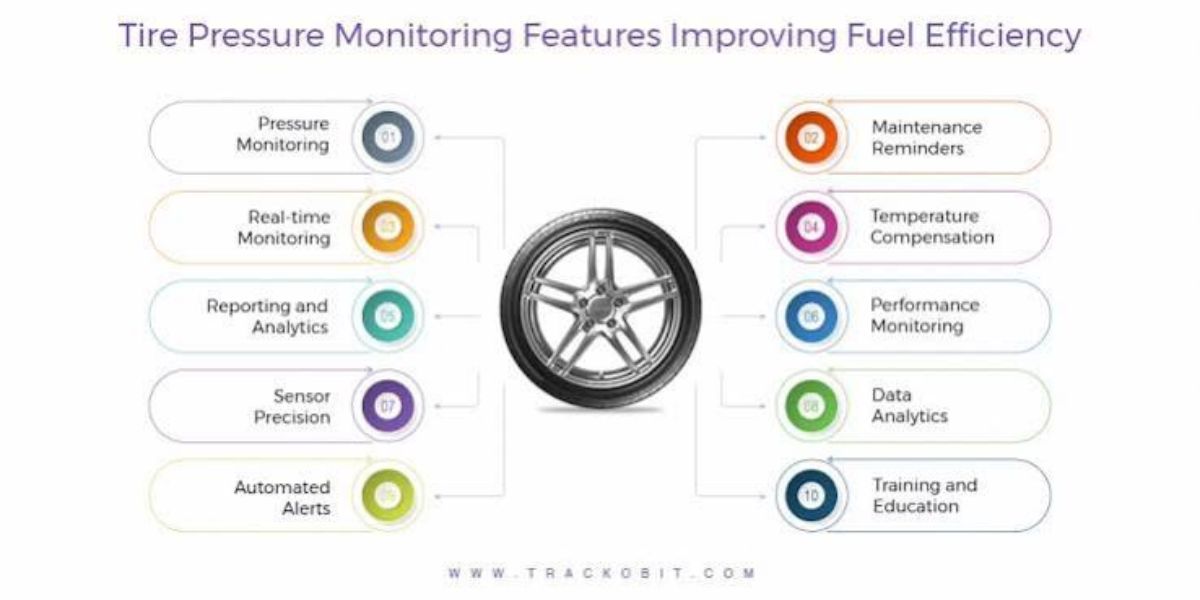
Tire pressure plays a bigger role in fuel economy than many drivers realize. Your tires carry the weight of your vehicle and stay in constant contact with the road, so their condition and air pressure can affect how efficiently your car moves. Keeping your tires at the recommended pressure can improve fuel economy, support safer handling, reduce tire wear, and help your vehicle perform more smoothly.
How Low Tire Pressure Increases Fuel Consumption
When tires are underinflated, more of the tire surface presses against the road. This creates greater rolling resistance, meaning the engine has to work harder to keep the vehicle moving.
Low tire pressure can lead to:
- Higher fuel consumption
- Increased rolling resistance
- Faster and uneven tire wear
- Reduced handling and braking performance
- Greater stress on the tires
A tire does not always look flat when it has lost air. For this reason, it is better to use a reliable tire-pressure gauge rather than judging pressure by appearance.
The Connection Between Tire Pressure and Fuel Economy
Even a small drop in tire pressure can make your vehicle less efficient. When rolling resistance increases, the engine needs more energy to move the car, which can gradually increase fuel use.
For example, if your tires are significantly below the manufacturer’s recommended pressure, you may notice that your fuel economy becomes worse over time. The effect can be especially noticeable for drivers who travel long distances or drive frequently.
Keeping the correct pressure is therefore one of the simplest natural ways to support better fuel economy without changing your vehicle.
Does Higher Tire Pressure Save More Fuel?
It may seem logical that adding extra air would make the tires roll more easily and save fuel. However, overinflating tires is not a good fuel-saving strategy.
Too much air can:
- Make the ride uncomfortable
- Reduce tire contact with the road
- Affect handling
- Cause uneven tread wear
- Potentially reduce grip
Instead of adding extra air, follow the tire pressure recommended by your vehicle manufacturer. You can usually find the correct specification on the driver’s door-jamb label, inside the owner’s manual, or in the manufacturer’s information.
Check Tire Pressure Regularly
Tires naturally lose air over time, even when there is no obvious puncture. Temperature changes can also cause tire pressure to rise or fall. Because of this, checking your tires regularly is an easy part of everyday vehicle care.
For the most accurate reading, check tire pressure when the tires are cold, preferably before driving or after the vehicle has been parked for several hours.
Keep Your Tires Properly Inflated
Making tire pressure checks part of your routine can help you avoid unnecessary fuel consumption and tire wear. Use a quality pressure gauge and compare the reading with the recommended pressure for your vehicle.
It is also a good idea to inspect the tires for cracks, punctures, unusual wear, or other visible damage. If a tire repeatedly loses pressure, have it inspected by a qualified tire professional.
Other Natural Ways to Improve Fuel Economy
Correct tire pressure is only one part of improving fuel economy. You can also reduce fuel consumption by adopting simple driving and maintenance habits.
Try to:
- Accelerate smoothly instead of making sudden starts.
- Avoid unnecessary hard braking and rapid acceleration.
- Remove heavy items you do not need from the vehicle.
- Keep up with regular engine and vehicle maintenance.
- Avoid leaving the engine running unnecessarily.
- Maintain proper wheel alignment.
- Check your tires regularly for uneven wear.
- Plan trips efficiently to reduce unnecessary driving.
Final Thoughts
Tire pressure has a direct effect on how easily your vehicle rolls along the road. Underinflated tires create additional resistance, making the engine work harder and potentially increasing fuel consumption. Overinflating them is not the answer either, as it can affect handling, comfort, and tire wear.
The best approach is simple: check your tire pressure regularly and keep it at the manufacturer’s recommended level. Combined with smooth driving and routine vehicle maintenance, this small habit can help your car use fuel more efficiently while keeping your tires in better condition.